
undefined 18, 2025
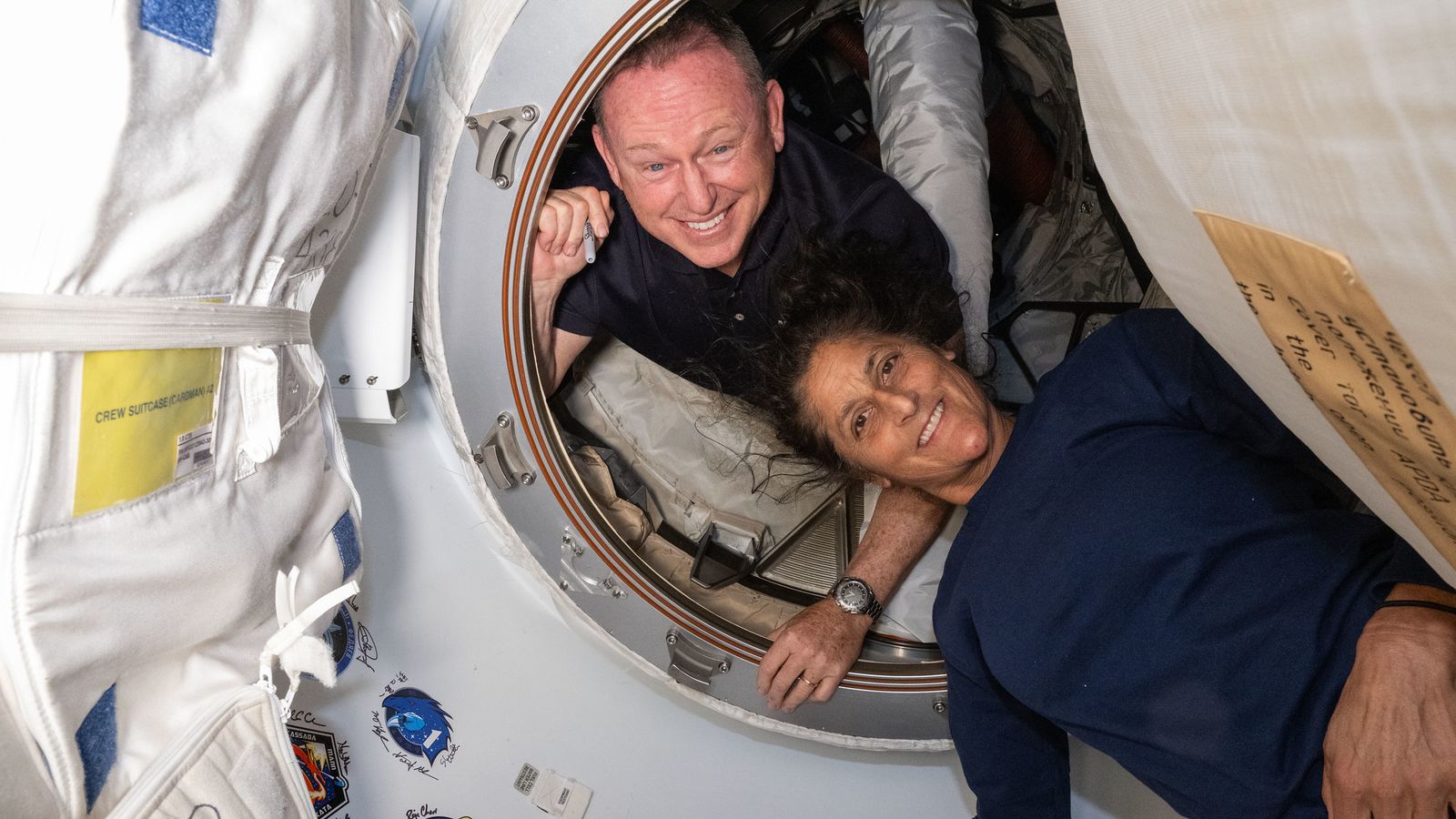
Two astronauts stuck in space for more than nine months head back to Earth
NASA astronauts Butch Wilmore and Suni Williams are returning to Earth after spending over nine months on the International Space Station. Originally set for an eight-day mission, their stay was extended due to multiple system failures in Boeing's Starliner spacecraft. During their time on the ISS, they conducted spacewalks and experiments. Their return, delayed multiple times, is now scheduled for a 17-hour journey aboard a SpaceX vehicle, with a planned splashdown off the coast of Florida.
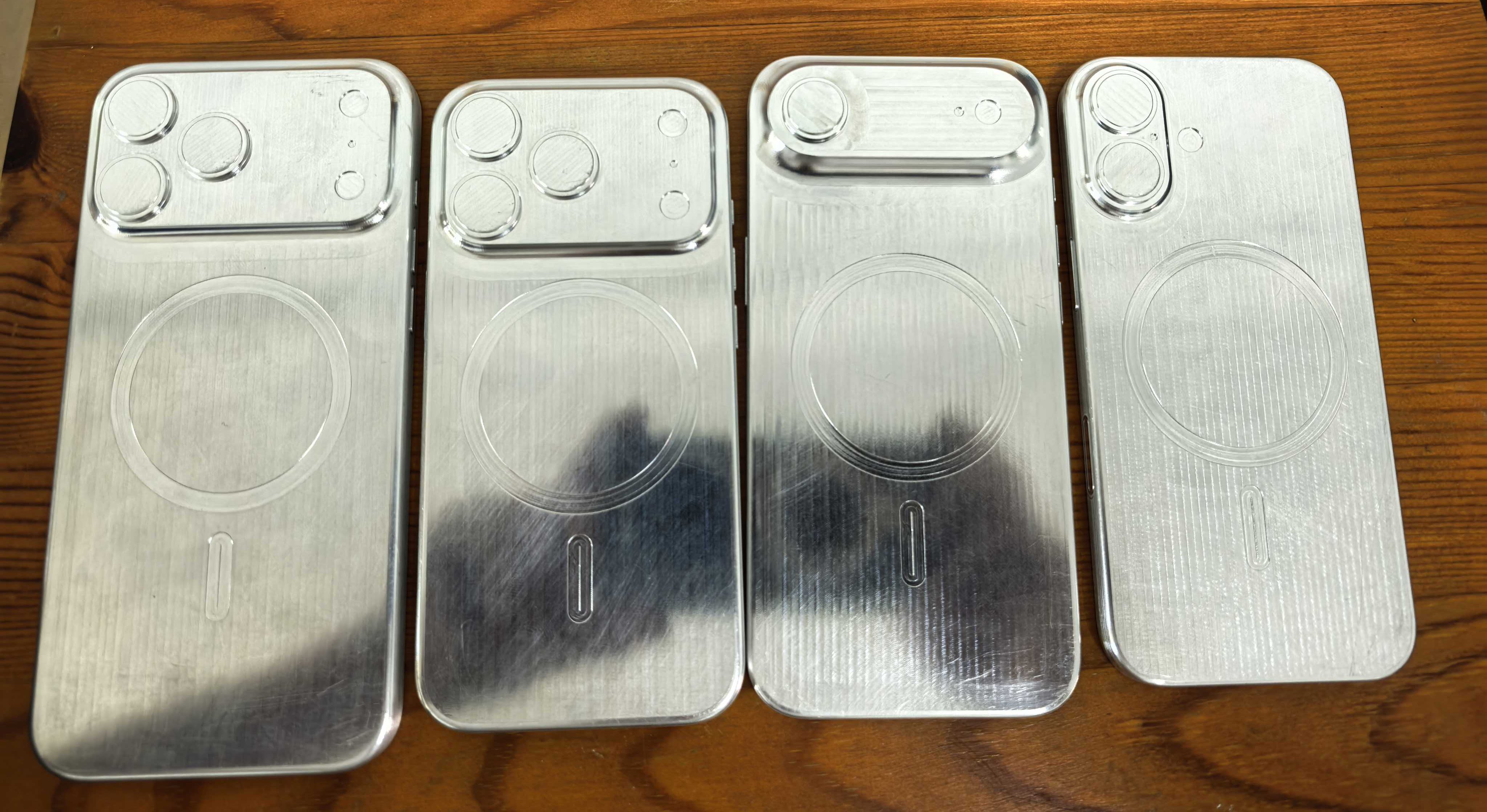
The iPhone 17 Air makes other models look chunky in new leaked dummy shots
Leaked iPhone 17 dummies reveal a thinner design, with the iPhone 17 Air expected to be 5.5mm thick and feature a 6.6-inch display. It will include a Dynamic Island, a single rear camera, and a mix of high-end and lower-end features, such as a 120Hz display and an A19 chip. Apple reportedly considered a larger 6.9-inch version but scrapped it due to structural concerns. If successful, the design could influence future models, including a potential folding iPhone by 2026.

Source: interestingengineering
World’s first 3D-printed train station to be built in Japan in just six hours
West Japan Railway Co. (JR West) plans to build Japan’s first 3D-printed train station at Hatsushima Station in Wakayama Prefecture. The small, single-story concrete structure will be assembled in just six hours after the last train departs on March 25. Components, produced by Serendix Inc., will be printed off-site and assembled on location. The project aims to test the durability of 3D-printed structures in coastal conditions while reducing construction time, labor, and costs. JR West will evaluate the feasibility of expanding this method to other stations.
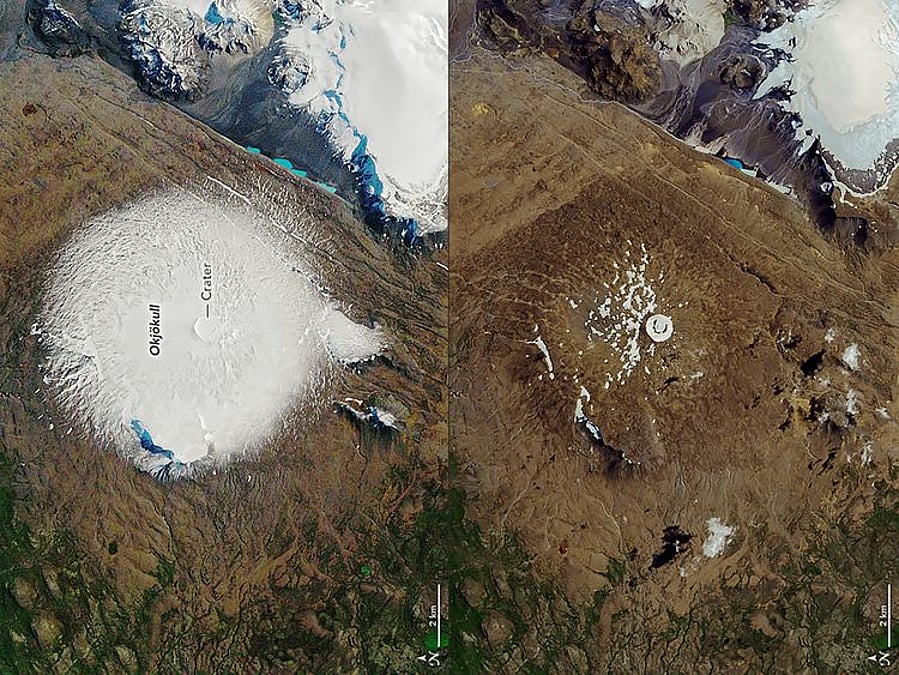
1st glacier declared dead from climate change seen in before and after images
Satellite images taken 33 years apart show the disappearance of Iceland’s Okjökull glacier, the first to be officially declared lost due to climate change. Located on Ok volcano, the glacier covered about 15 square miles (39 square km) in 1901 but had shrunk to less than 0.4 square miles (1 square km) by 2019. In 2014, scientists determined that the ice had thinned so much it could no longer move, marking the end of its status as a glacier. A commemorative plaque was placed at the site in 2019, acknowledging the ongoing loss of glaciers due to rising global temperatures.
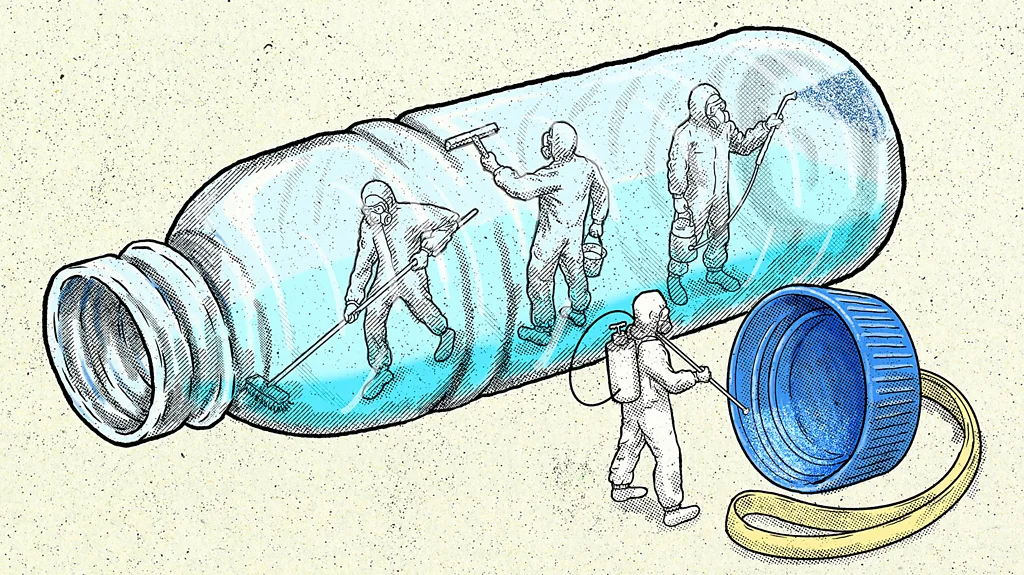
Are you cleaning your water bottle enough?
Reusable water bottles can harbor millions of bacteria if not cleaned properly. A study found bottles can accumulate bacteria rapidly, with contamination mainly from users’ mouths and hands. Storing bottles in the fridge slows growth, but thorough cleaning is essential. Experts recommend washing with hot water and soap, using a brush or dishwasher, and air drying. Sharing bottles increases risk, and drinks other than water promote bacterial growth. While severe illness is rare, proper hygiene prevents potential infections.
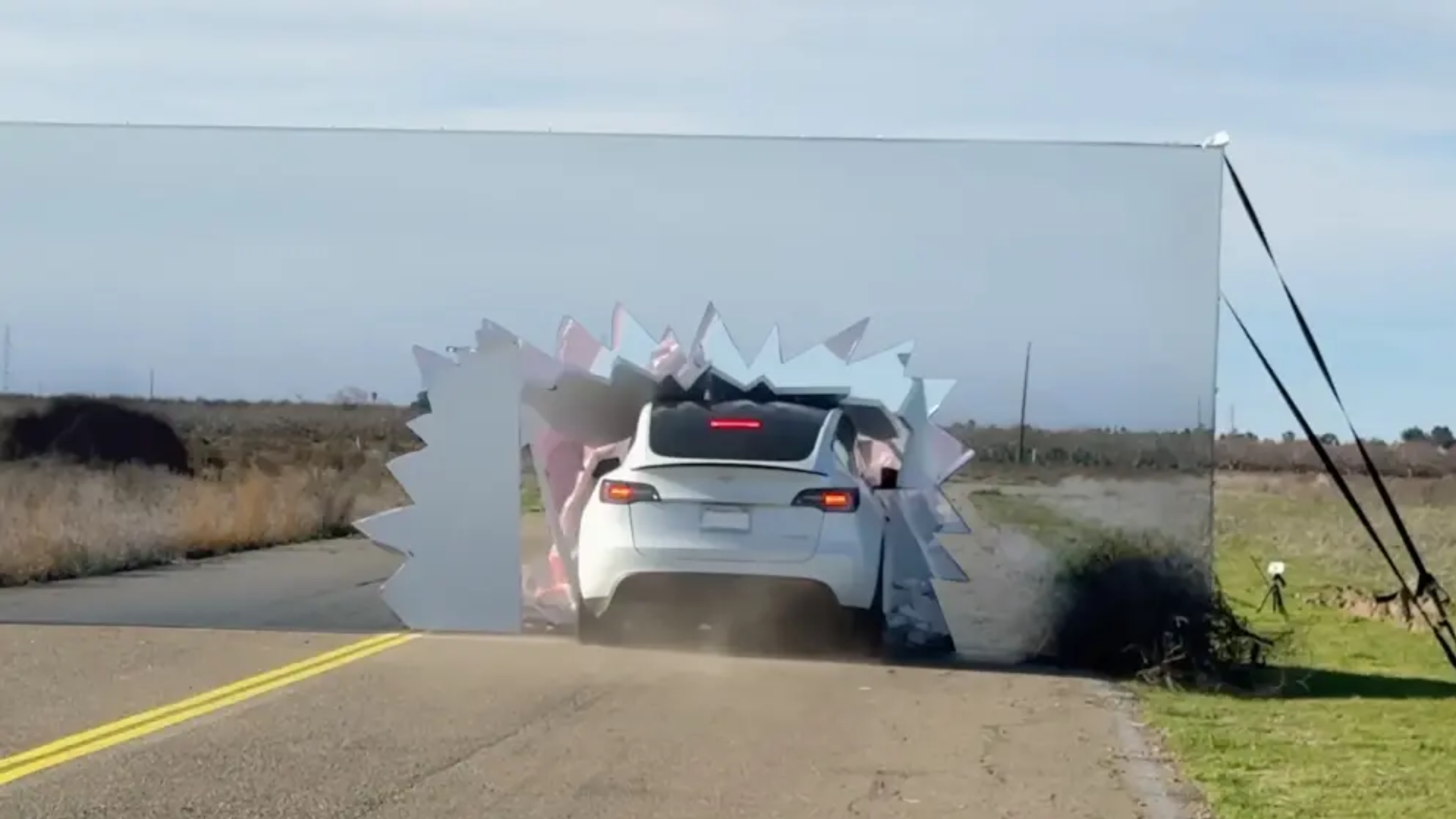
Tesla’s self-driving fails the Wile E. Coyote Test
Mark Rober, a former NASA engineer, tests self-driving cars by trying to trick them with obstacles like a Wile E. Coyote-style wall. Tesla’s Autopilot fails, crashing through the wall and failing to stop for a child dummy under fog and rain. In contrast, a LiDAR-based system succeeds in all tests. Rober’s video highlights Tesla's reliance on computer vision over LiDAR, which Elon Musk criticizes as unnecessary, though the LiDAR system avoids the wall and better handles adverse conditions.
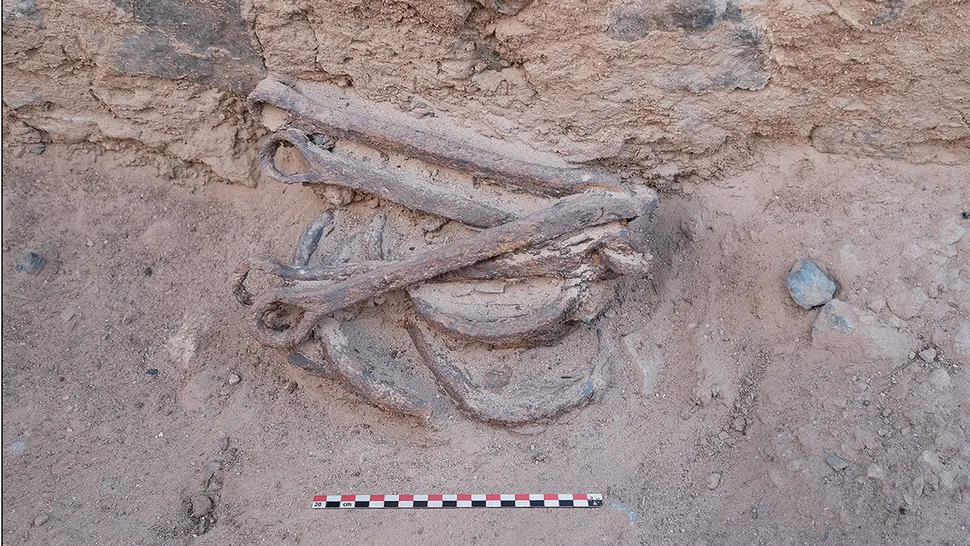
2,200-year-old shackles discovered at ancient Egyptian gold mine
Two sets of iron ankle shackles discovered in Egypt’s Ghozza gold mine reveal the harsh conditions miners faced during the Ptolemaic period. These shackles, among the oldest in the Mediterranean, suggest that some miners were forced laborers. The Ghozza mine, in use from 250 to 200 B.C., housed both paid workers and enslaved individuals. The shackles complement ancient texts describing the use of prisoners and criminals in mines, highlighting the human cost of gold mining that funded Ptolemy I’s military campaigns.

Source: interestingengineering
Scientists bend light through time, unlocking a new dimension for control
Researchers from Heriot-Watt University, Purdue University, and Bowden Research Center have demonstrated time manipulation of light using transparent conducting oxides (TCOs). These materials change optical properties in just six femtoseconds, enabling time refraction, where different parts of a light pulse experience varying material properties. This leads to light pulse splitting and increased transmission. The discovery opens new possibilities in optics, impacting fields like quantum computing, AI, and 3D technology, and potentially reducing computational demands.

EU Commission to decide whether to scrap AI liability rules by August
The European Commission is set to decide by August whether to scrap its proposed AI Liability Directive, initially introduced in 2022. The rules aimed to provide consumers with a harmonized way to seek redress for AI-related harm, but progress has stalled. While some in the European Parliament oppose the rules, arguing that existing protections are sufficient, others, like German MEP Axel Voss, criticize the potential withdrawal as a strategic mistake. The Commission awaits feedback from Parliament and member states before making a final decision.

Confirmed: Google buys Wiz for $32B to beef up in cloud security
Google's parent company, Alphabet, is acquiring the cloud security startup Wiz for $32 billion in an all-cash deal, marking its largest acquisition ever. The deal also includes $1 billion in retention bonuses to keep Wiz's 1,700 employees post-acquisition, averaging $588,000 per employee. Wiz will remain an independent platform, continuing to work across all cloud providers. The startup currently generates $700 million in annual recurring revenue and is expected to expand its workforce. The deal, which aims to boost Google Cloud's enterprise and security capabilities, is expected to close in 2026 after regulatory approvals.