
undefined 23, 2025
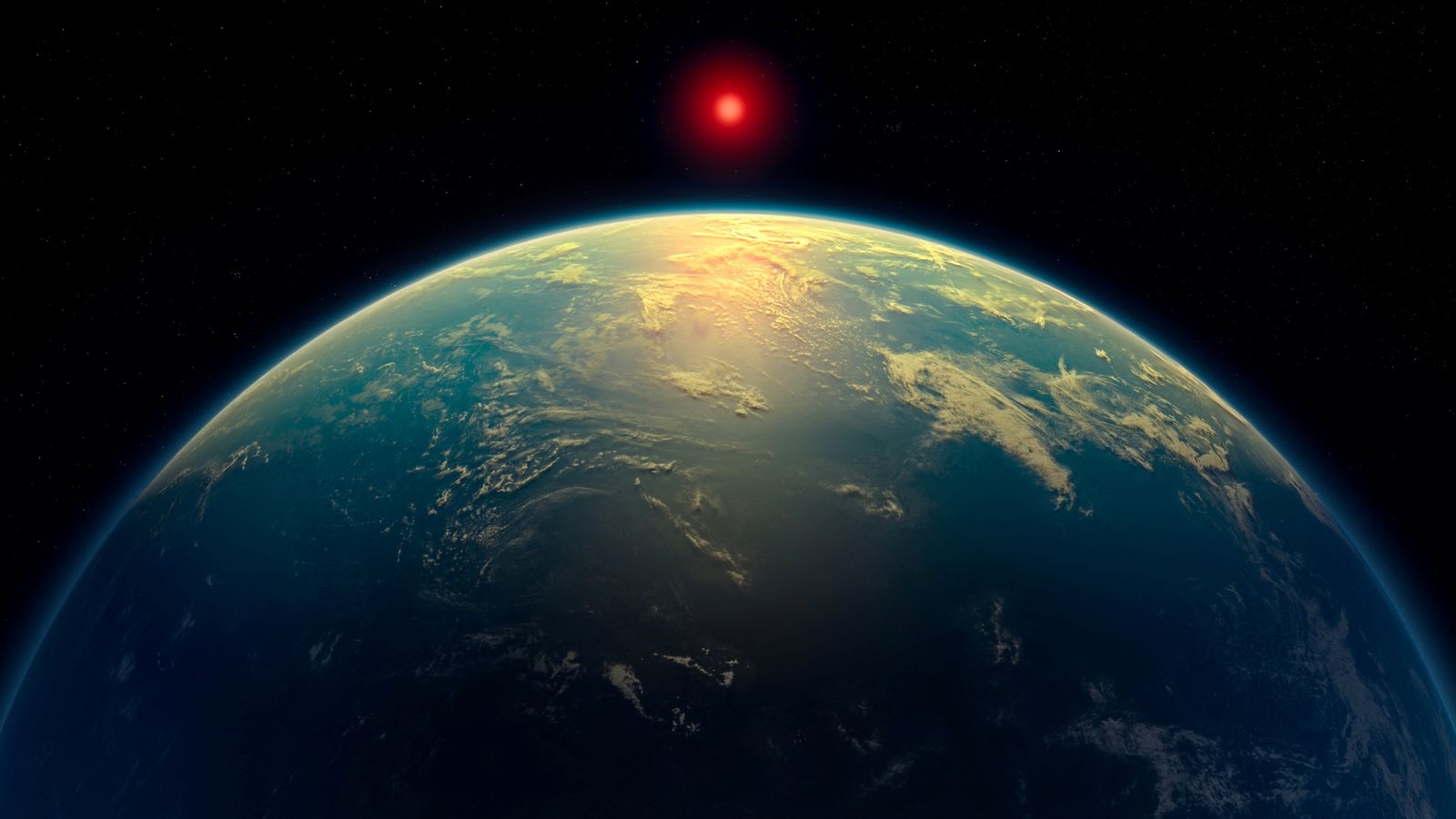
Strongest evidence of life yet found on planet beyond solar system
Scientists have found the strongest sign yet of possible life beyond our solar system on planet K2-18b. Analysis of its atmosphere suggests the presence of chemicals made by microorganisms on Earth. While not conclusive, it's a tantalizing clue in the search for life. With billions of potentially habitable planets, the odds suggest we may not be alone.

Source: interestingengineering
Don’t let screens steal human connections, Pope Francis warned weeks before death
Pope Francis, who died at 88 on Easter Monday, left a final message urging less screen time and more human connection. In his April 2025 video, he warned against tech replacing real relationships, emphasizing that while tech is a gift, it must unite, not divide. He called for its use to aid the poor, protect the planet, and foster compassion. His legacy blends caution on tech’s risks with deep care for people and the Earth.
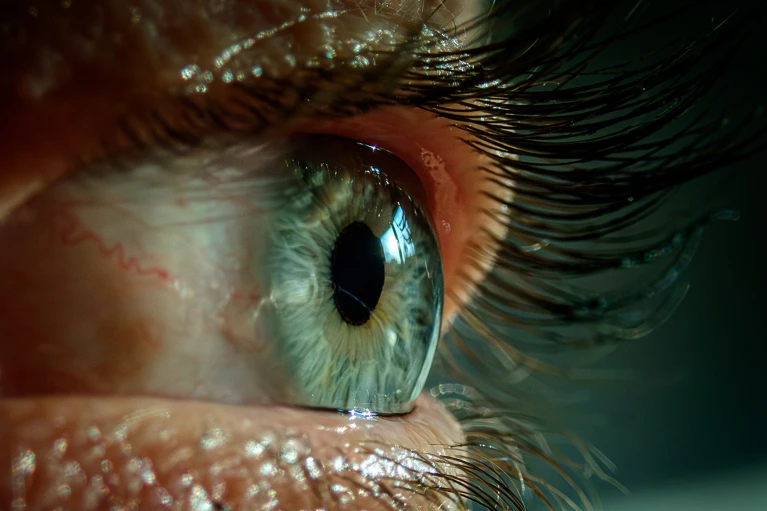
Brand-new colour created by tricking human eyes with laser
Researchers have enabled five people to see a new color, called "olo," by precisely targeting retinal cells with lasers. Described as an ultra-saturated teal or peacock blue, olo lies outside the natural human color range. The technique could pave the way for breakthroughs in color blindness treatment, though it's currently limited to small visual areas and rare lab setups. Still, it's hailed as a major technical achievement in vision science.
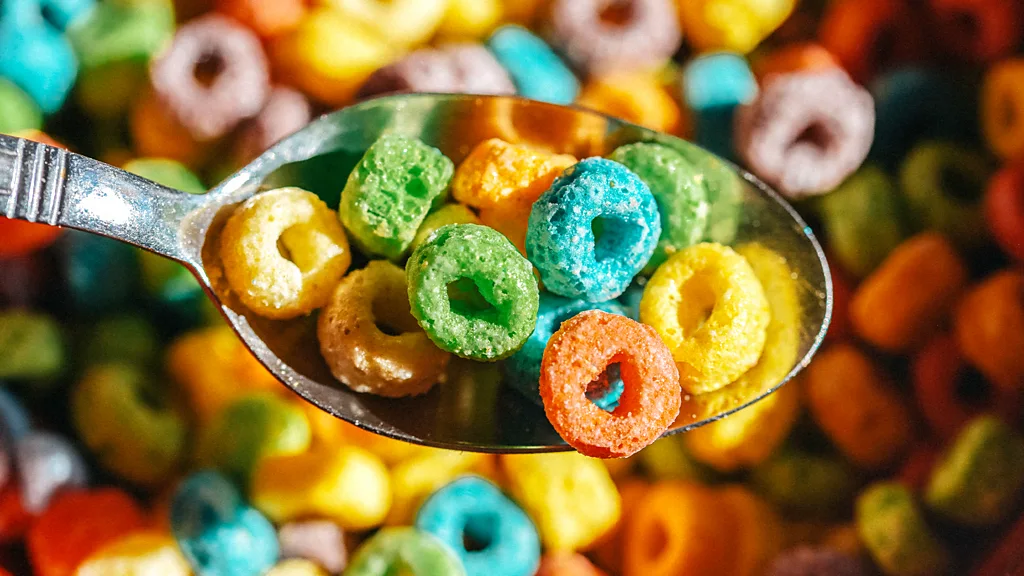
Are breakfast cereals really good for us?
Breakfast cereals can be a source of fibre and key nutrients, but many are ultra-processed and high in sugar. While fortified cereals help prevent deficiencies, especially in kids, older adults, and those on restricted diets, some may spike blood sugar and lead to unhealthy snacking. Experts recommend choosing cereals with low sugar and high fibre, and improving them with nuts, fruit, or yogurt for a more balanced meal. Not all cereals are equal—whole grains and oats offer the most health benefits.

Source: interestingengineering
New study rejects Big Bang theory, says universe grew via cosmic energy bursts
A new theory challenges the Big Bang, proposing the universe expands through rapid bursts called **temporal singularities**. These short, invisible events inject energy and matter, shaping cosmic structure without dark matter or dark energy. Developed by Dr. Richard Lieu, the model suggests negative pressure from these bursts drives expansion. It offers a fresh take on cosmic origins and may be tested using Earth-based tools.

Apple fined $570 million and Meta $228 million for breach of EU law
The EU fined Apple €500M and Meta €200M for breaching the Digital Markets Act, marking the first major sanctions under the new law. Apple was penalized for restricting app developers, while Meta’s "pay-or-consent" ad model was deemed non-compliant. Both companies criticized the rulings. The fines, though smaller than past ones, reflect the EU's push to curb Big Tech dominance and enforce fair competition rules.
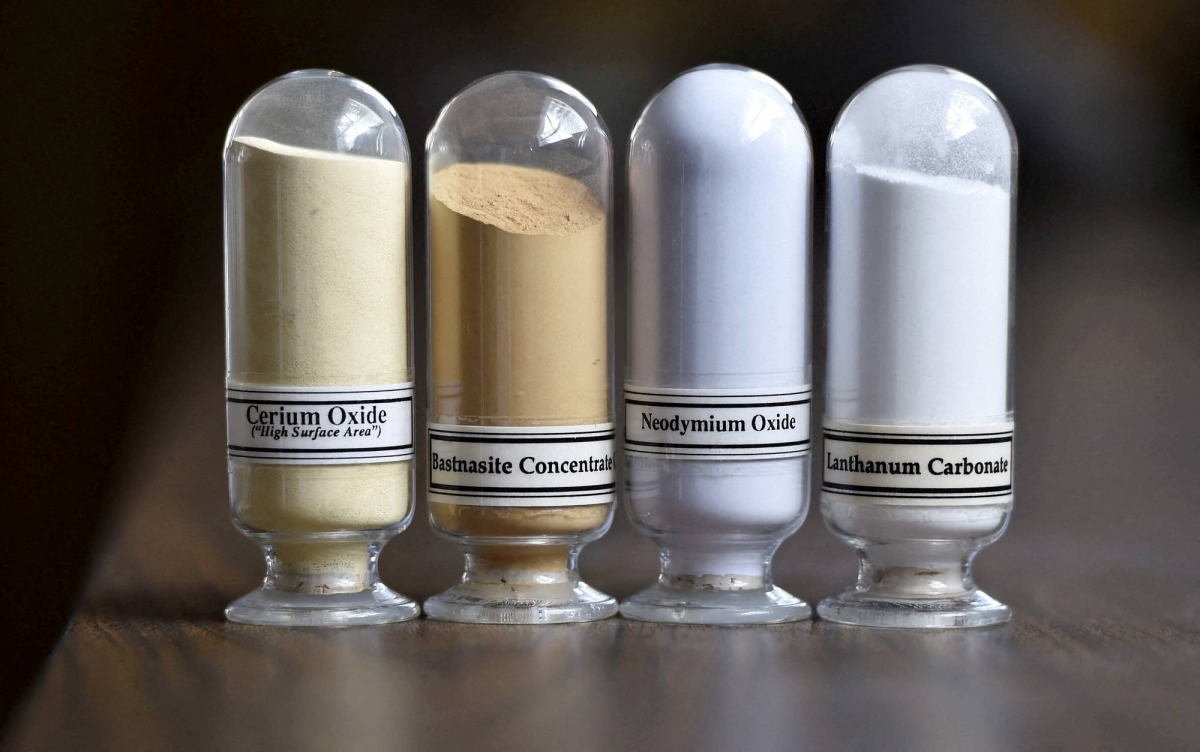
Bad news for China: rare Earth elements aren’t that rare
As the US-China trade war escalates, China is tightening controls on rare earth exports. While Beijing hopes to pressure the US, past restrictions have had little impact. Rare earths are vital but used in small amounts, and other countries are ramping up stockpiles, recycling, or seeking alternatives. Experts say this could finally push the US to reshore mining. If so, new domestic production could begin within two years, chipping away at China’s mineral monopoly.
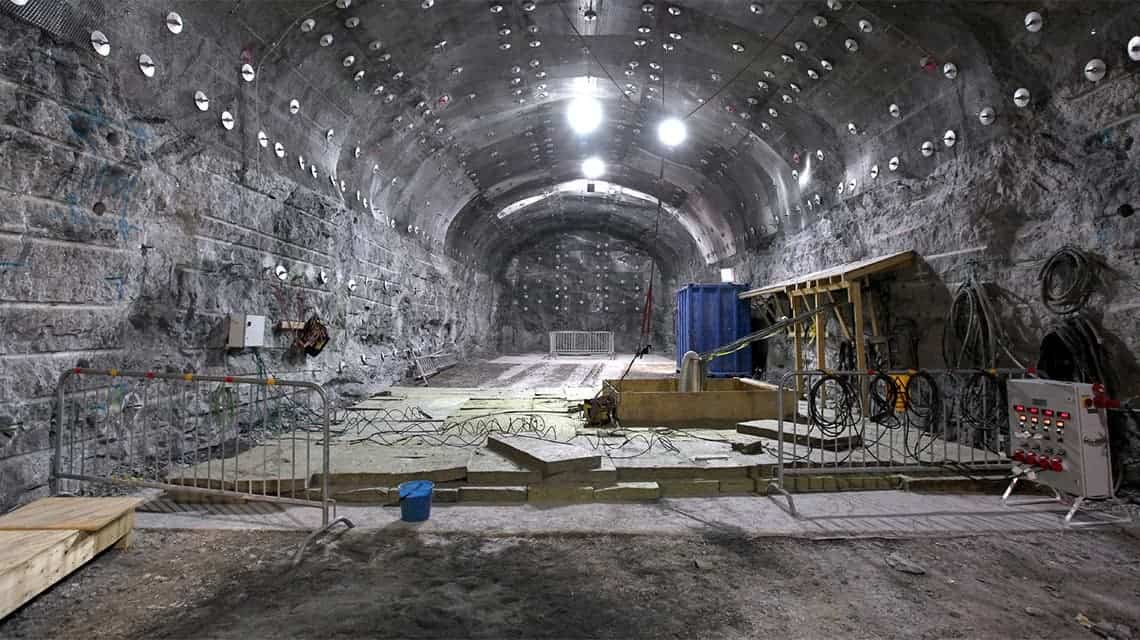
Finland could be the first country in the world to bury nuclear waste permanently
Since the 1950s, over 400 nuclear reactors have produced 430,000 metric tons of spent fuel—with no permanent disposal solution. Now, Finland leads the way with Onkalo, the world’s first deep geological repository, set 430 meters underground. Other nations like Sweden, Canada, and Switzerland are following. As nuclear energy sees renewed interest, pressure is growing to safely store waste that stays radioactive for millennia.
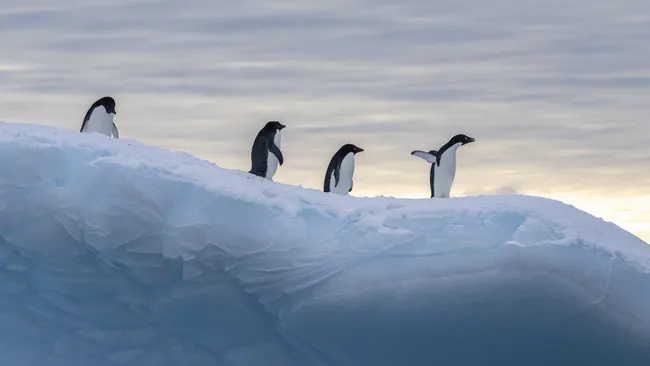
Antarctica: Facts about the southernmost continent
Antarctica, Earth’s coldest, driest, and windiest continent, holds 90% of the world’s ice and could raise sea levels by 200 feet if it all melted. It’s technically a desert, teeming with penguins and few plants, and has no permanent human residents—only rotating scientists. With active volcanoes, sub-zero temps, and a growing role in climate research, Antarctica is both a frozen frontier and a global science hub.
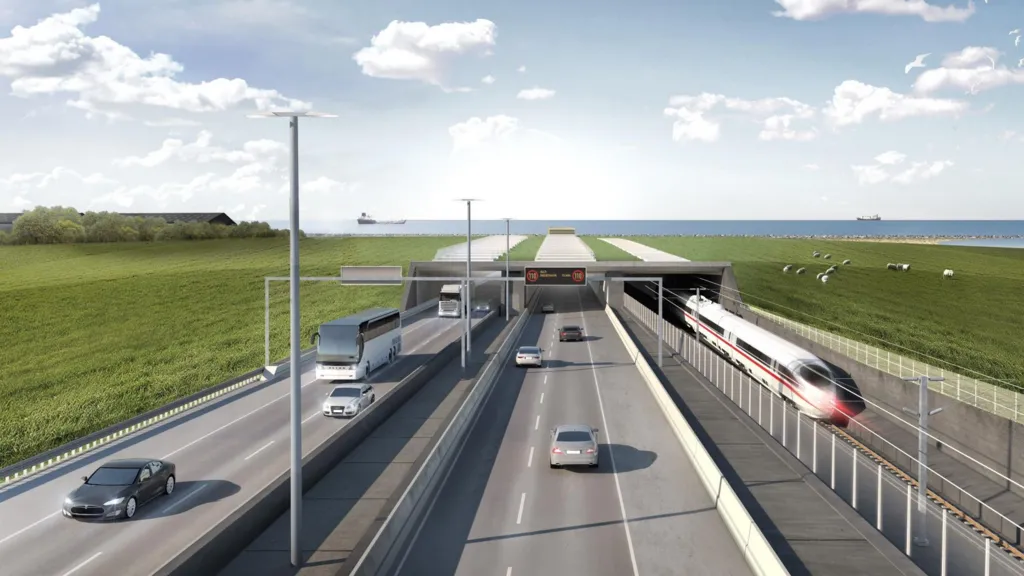
The record-breaking tunnel being built from Denmark to Germany
The Fehmarnbelt tunnel, an 18km (11-mile) underwater road and rail tunnel being built between Denmark and Germany, will be the longest of its kind when completed in 2029. The project involves constructing 90 massive, prefabricated tunnel sections that will be lowered onto the seafloor and linked together like giant Lego bricks. The tunnel will cut travel times drastically, with a 10-minute car journey and a 7-minute train ride replacing a 45-minute ferry trip, while also reducing the travel time between Copenhagen and Hamburg. This €7.4bn project is part of an EU effort to strengthen transport links, benefiting both passengers and the environment.