
undefined 20, 2025
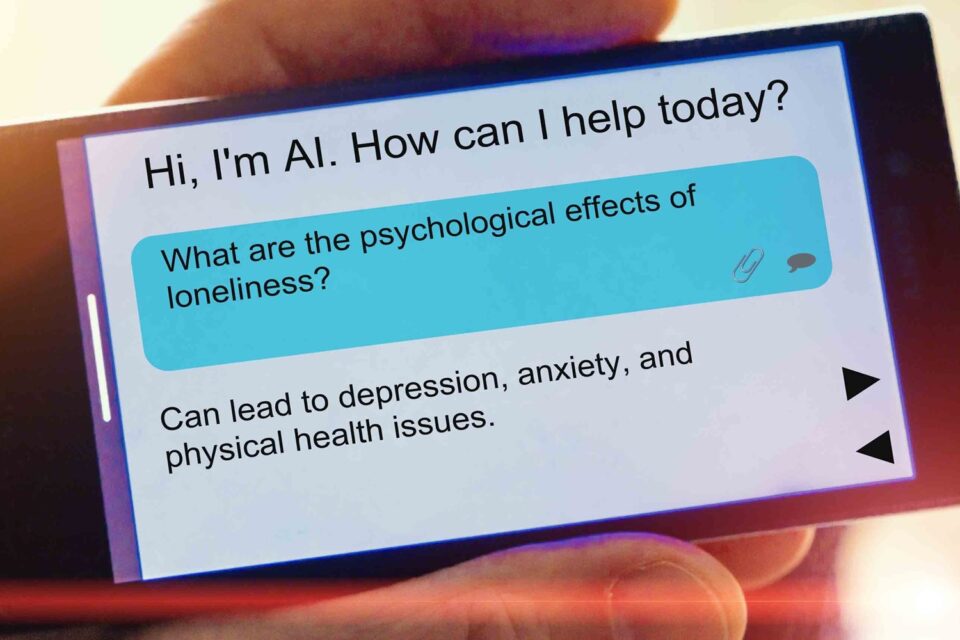
The era of ‘AI psychosis’ is here. Are you a possible victim?
“AI psychosis” describes delusions, hallucinations, and disordered thinking linked to heavy AI chatbot use. Cases include suicides, dangerous attachments, and medical harm from false advice. Victims often have mental health issues, but not always. Psychologists warn chatbots act as unlicensed therapists, risking vulnerable users like teens or those with psychosis risk. The FTC has received complaints, and OpenAI now nudges users to take breaks, but experts fear the problem may escalate without regulation.

Source: interestingengineering
Unitree dominates inaugural humanoid robot games with four golds in track events
Unitree dominated the inaugural World Humanoid Robot Games in Beijing, winning four golds in track events with its H1 robots and topping the medal table with 11 total. X-Humanoid and other Chinese teams also excelled, showcasing advanced designs and autonomous capabilities. Analysts highlight China’s rise as a robotics leader, fueled by AI, sensors, and state-backed growth. Future games are planned for 2026, with a federation forming to support global humanoid robotics competition.
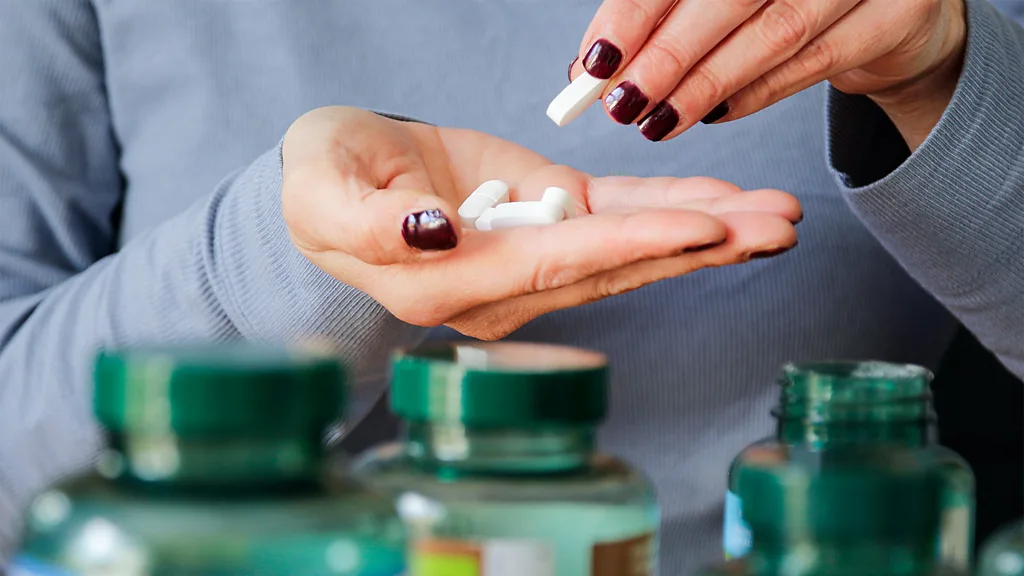
Should we all be taking vitamin supplements?
Vitamin supplements can help fill dietary gaps but aren’t a cure-all. Most people get sufficient nutrients from a balanced diet, and mega-dosing can be harmful, causing issues like toxicity or interfering with absorption. Evidence suggests vitamin D and multivitamins may benefit older adults, reducing cancer risk, cognitive decline, and fractures. Pregnant women, vegetarians, and those with absorption issues may also benefit. Overall, supplements are safest when taken at recommended doses.

They’re stuffed animals. They’re also AI chatbots
Curio creates AI-enabled stuffed toys like Grem, Gabbo, and Grok, which converse with children via hidden Wi-Fi voice boxes. Marketed as a screen-free alternative, the toys interact with kids while allowing parental oversight, as all conversations are logged to guardians’ phones. While designed to be safe and stimulating, they also replace some adult engagement, raising questions about play, independence, and privacy. Once deactivated, the toys revert to regular plush companions, preserving imaginative play.

Two years after Oceangate, another billionaire hears the siren call of the Titanic
Two years after the Oceangate Titan disaster killed Stockton Rush and four passengers, another billionaire reportedly plans a \$10 million trip to the Titanic wreck. Unlike Oceangate, Triton Submarines emphasizes certified, safe deep-sea exploration. Triton CEO Patrick Lahey criticized Rush’s untested sub, stressing strict standards for human dives. The fascination reflects billionaires’ drive to conquer extreme frontiers, with some even funding efforts to establish permanent undersea settlements.
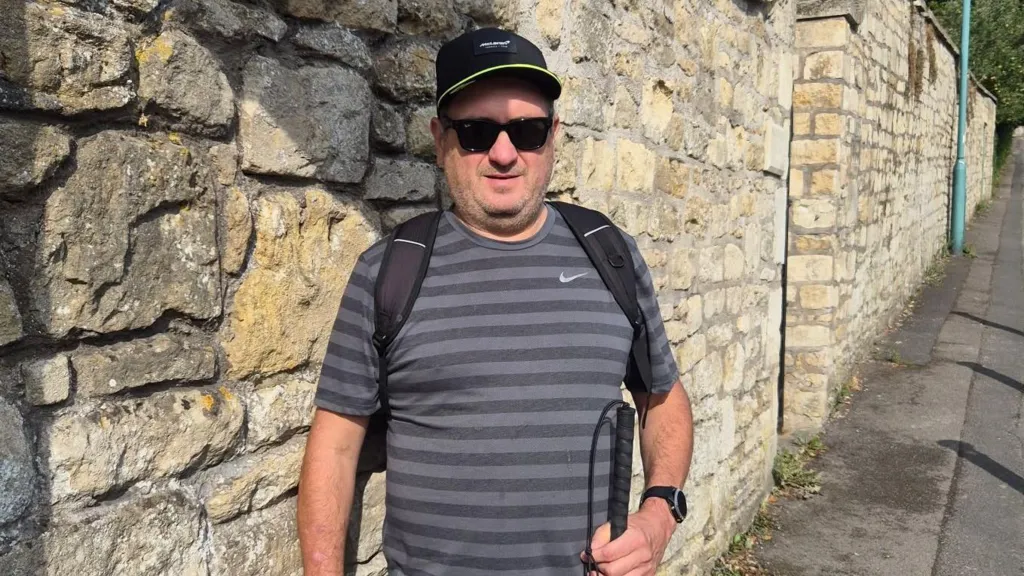
'I'm blind - AI glasses allow me to work again'
Andy Evans, 57, who has been registered blind, says AI-enabled Ray-Ban glasses have been “life-changing,” helping him navigate obstacles, order food, and regain independence. Voice-activated and equipped with a camera, the glasses provide real-time descriptions and guidance. Since using them, Evans has returned to work supporting people with sight loss. Experts say such technology is transformative, offering blind and partially sighted people greater independence and quality of life.

Lithuania joins Baltic neighbours in teaching children to build and fly drones
Starting in September, Lithuania will open three training centres teaching children and the public how to build and operate drones, with nine centres planned by 2028. The programme aims to train over 22,000 people, including 7,000 children, in drone skills through age-appropriate lessons from building to piloting and 3D design. Lithuania joins Estonia and Latvia in integrating drone education into youth programmes amid rising security concerns along their borders with Russia.
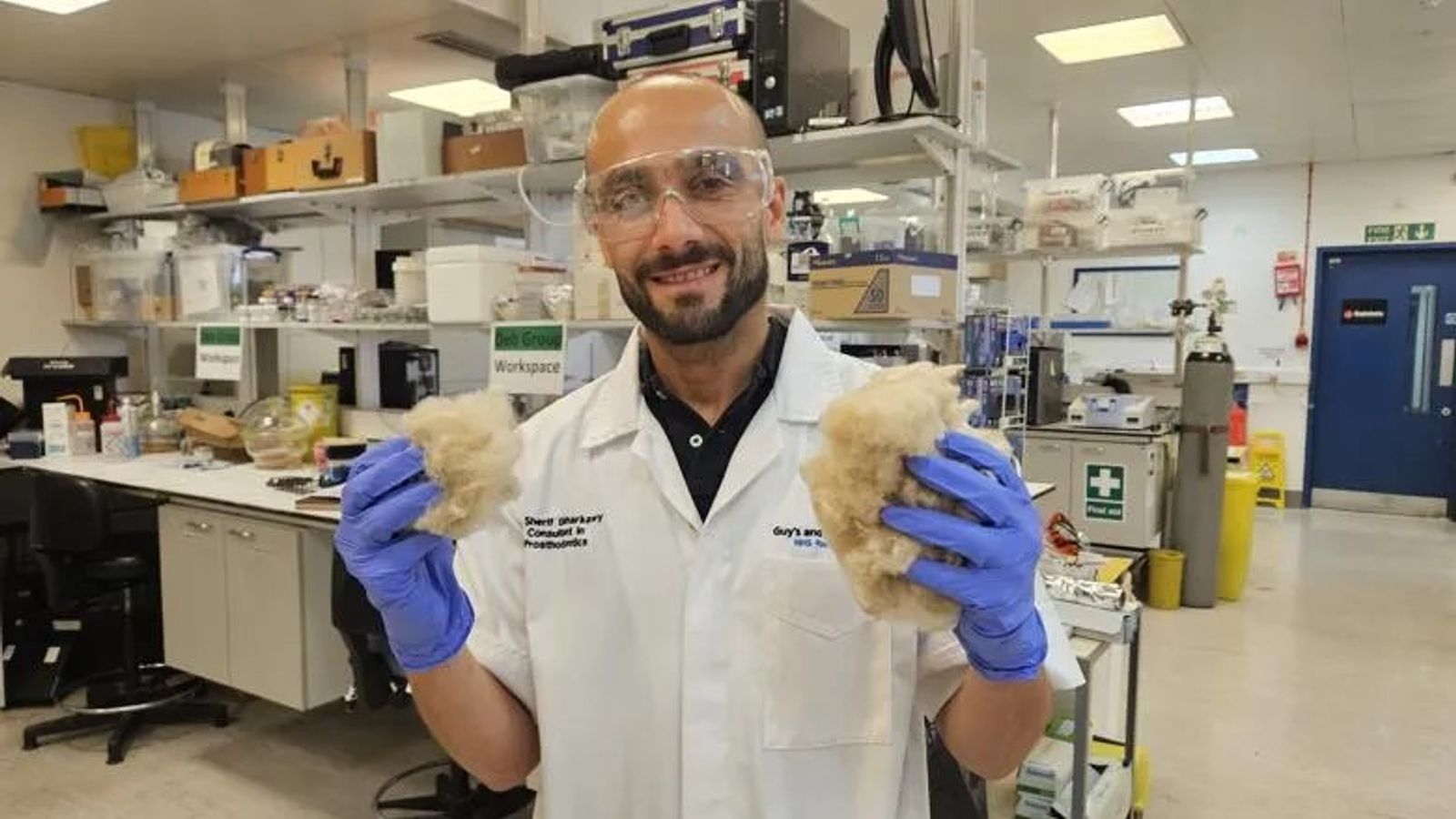
Toothpaste made with hair naturally repairs tooth enamel, scientists discover
King’s College London researchers found that keratin, a protein in hair and wool, can repair damaged tooth enamel and stop early decay. Mixed with saliva, it forms a protective coating that mimics natural enamel. Unlike fluoride, which only slows erosion, keratin can heal tiny cracks. It could be used in toothpaste or gels, with wool as the current source, aiming to be affordable, mint-flavored, and widely available within two to three years.

A rare 'black moon' rises this weekend: What is it, and what can you see?
At 2:06 a.m. EDT on Aug. 23, the moon enters a new moon phase, becoming a “black moon.” This occurs when it’s the third new moon in a season of four, a rare event every 33 months. Invisible from Earth, a black moon offers a perfect moonless night for stargazing. The Milky Way will be especially visible in the Northern Hemisphere, with the Summer Triangle stars, Vega, Deneb, and Altair, highlighting the galaxy’s arc.

Sunlight is all that’s needed to keep these tiny aircraft aloft
Scientists have created ultralight “mesosphere surfers” that use sunlight to stay aloft in the upper atmosphere, 50–85 km above Earth, where air is too thin for planes. Using photophoresis, gas flow caused by light, tiny devices under a milligram levitate in lab tests. They could measure wind, temperature, and pressure in this “ignorosphere” or even explore Mars’ thin atmosphere, carrying small sensors while hovering without engines.
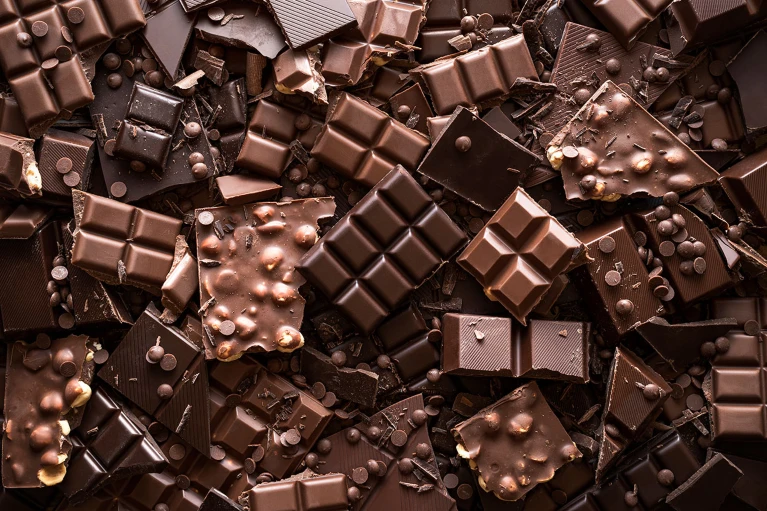
Why chocolate tastes so good: microbes that fine-tune its flavour
Scientists have found that cocoa fermentation—affected by pH, temperature, and microbial species—shapes chocolate’s flavour. By replicating ideal conditions in the lab, they recreated high-quality chocolate notes like fruity, nutty, and coffee-like flavours. Different farms in Colombia produced distinct tastes due to unique microbial communities, showing that controlling fermentation could allow “designer chocolates” with novel flavours in the future.