
undefined 13, 2026

Apple picks Google’s Gemini AI for its big Siri upgrade
Apple will use Google’s Gemini AI to power a more personalized Siri later this year, following a multi-year partnership. Apple says Gemini provides a strong foundation for its Apple Intelligence features, while processing will still run on devices and Apple’s Private Cloud Compute. The Siri upgrade, delayed last year, aims to better understand personal context and perform actions. Apple also reshuffled its AI leadership and continues exploring other AI partnerships.

NASA mega-rocket for moon mission could launch in weeks
NASA’s 98m Space Launch System rocket for the Artemis 2 mission could roll out to its Kennedy Space Center launchpad as early as 17 January, pending weather and technical checks. The mission will carry four astronauts on a 10-day crewed flight around the moon, the first since 1972. After final tests and rehearsals, NASA aims for a launch window between February and April, despite delays and recent technical fixes.

Source: interestingengineering
UK probes Elon Musk’s X as Indonesia, Malaysia become first to ban Grok over deepfakes
The U.K. regulator Ofcom is investigating Elon Musk’s X over its AI chatbot Grok, accused of generating non-consensual sexualized deepfakes, including images of women and children. The probe assesses compliance with the Online Safety Act and could lead to heavy fines or a U.K. block. Indonesia and Malaysia have already banned Grok, while regulators in the EU, Australia, India, and France are raising similar concerns.

Source: interestingengineering
Contactless electricity: Bladeless Tesla turbine turns static electricity into usable power
Researchers have developed a contactless electricity generator inspired by Nikola Tesla’s bladeless turbine that converts static electricity in compressed air into usable power. Using triboelectric materials and viscous drag, the system produces up to 800 V while spinning at high speed without blades. Designed for industrial settings, it could both generate electricity and neutralize hazardous static charges, improving safety, air quality, and energy efficiency.
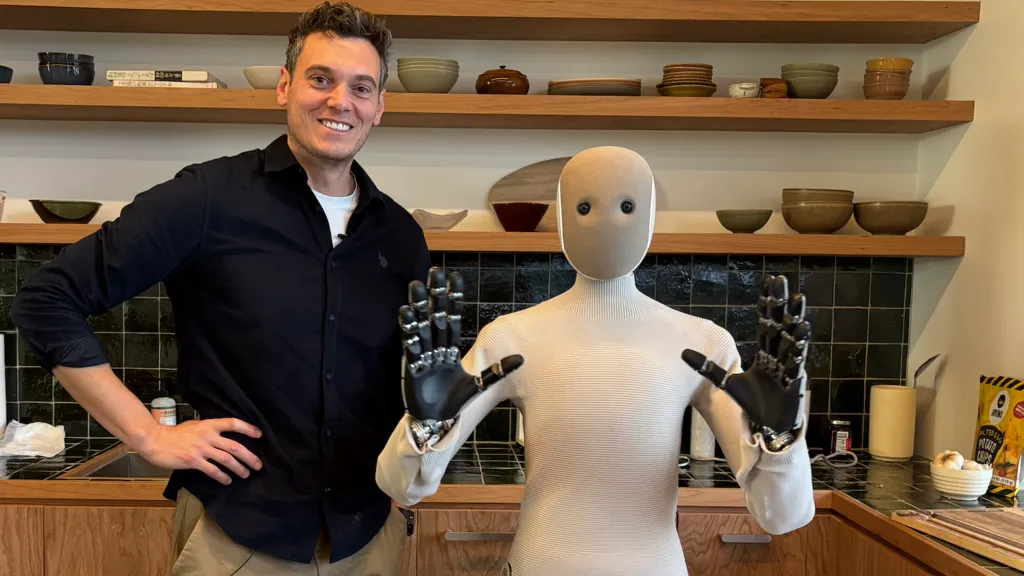
Eggie, Neo, Isaac and Memo are domestic robots. But would you let them load your dishwasher?
AI-powered domestic robots are beginning to enter homes, promising help with chores like cleaning, laundry, and dishwashing. Start-ups such as Tangible AI, 1X, Weave Robotics, and Sunday AI showcased robots that can perform tasks but often slowly and with human remote assistance. While progress is rapid and investment strong, true autonomy, affordability, privacy, and everyday usefulness remain major challenges, and widespread adoption may still be years away.
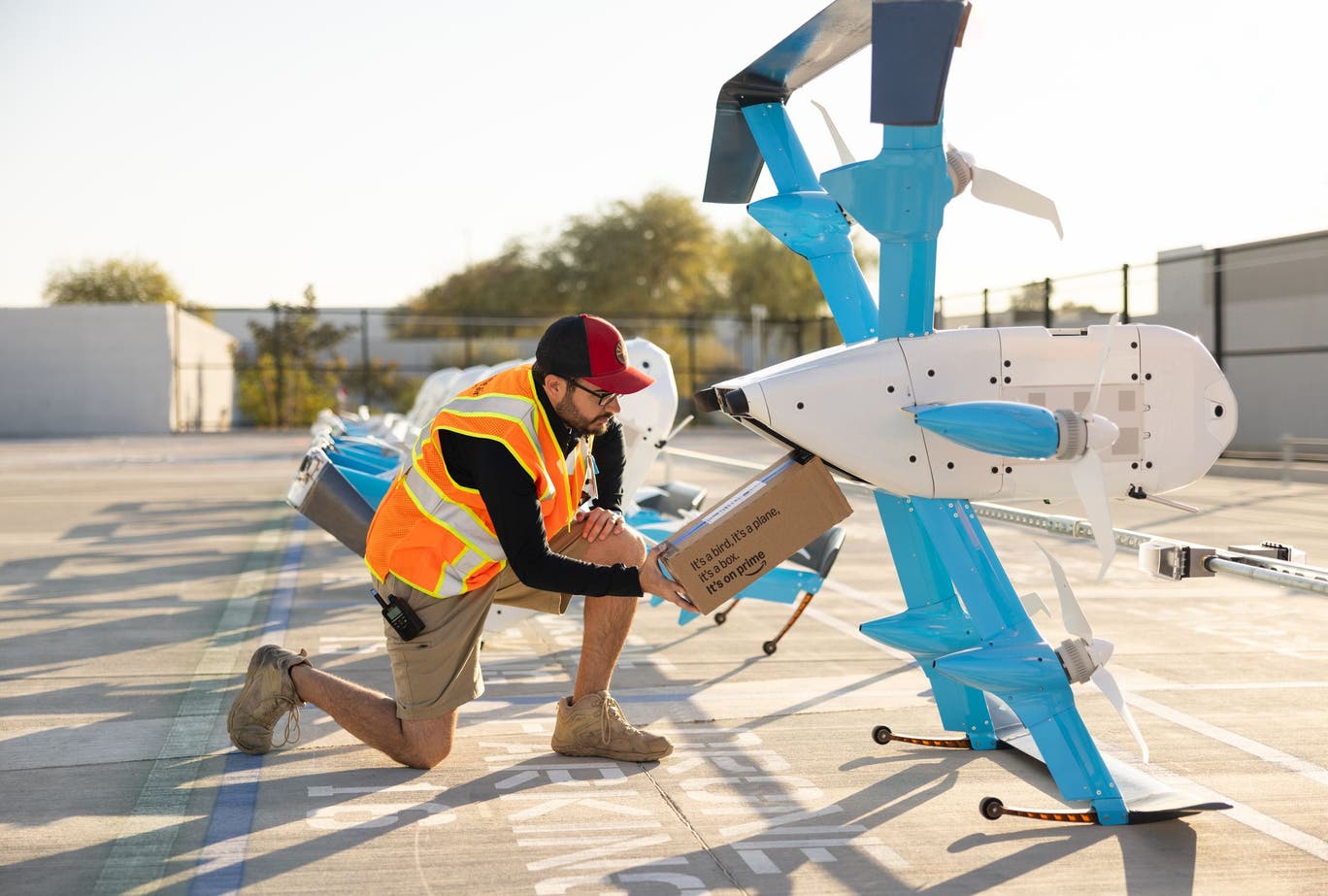
Amazon starts drone flights in ‘next step’ for UK delivery service
Amazon has begun limited test flights of its Prime Air drones from a facility in Darlington, marking a key step toward launching drone deliveries in the UK in 2026. While no customer deliveries are being made yet, the trials involve Amazon’s MK30 drone, designed to avoid obstacles and operate quietly. Once launched, eligible customers could receive small packages within two hours, pending regulatory approval.
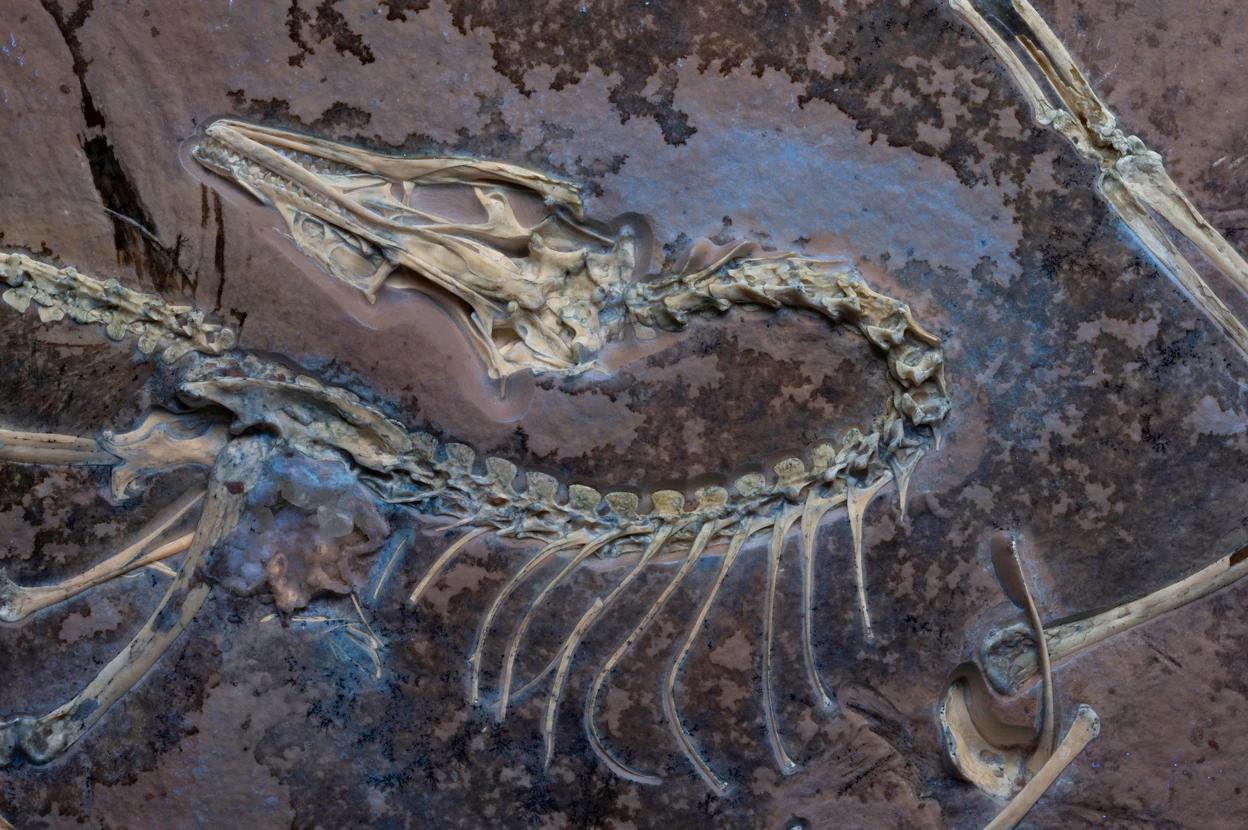
How did birds evolve? The answer is wilder than anyone thought
New Jurassic fossil discoveries are reshaping ideas about bird evolution. Alongside the famous Archaeopteryx, scientists have identified a second Jurassic bird, Baminornis, which shows advanced flight-related features earlier than expected. The diversity between these early birds suggests birds evolved and diversified sooner, and possibly flew better, than previously believed. However, the sparse fossil record means key questions about when and how flight evolved remain unresolved.

Four months and 40 hours later: my epic battle with 2025’s most difficult video game
The author recounts playing the brutally difficult game Hollow Knight: Silksong while living with chronic nerve pain. Forced to play slowly, she reflects on how games frame suffering as something to overcome through effort, unlike real pain, which requires patience, limits, and acceptance. The experience reshaped her understanding of resilience, showing that living with suffering isn’t about winning, but adapting and continuing at one’s own pace.
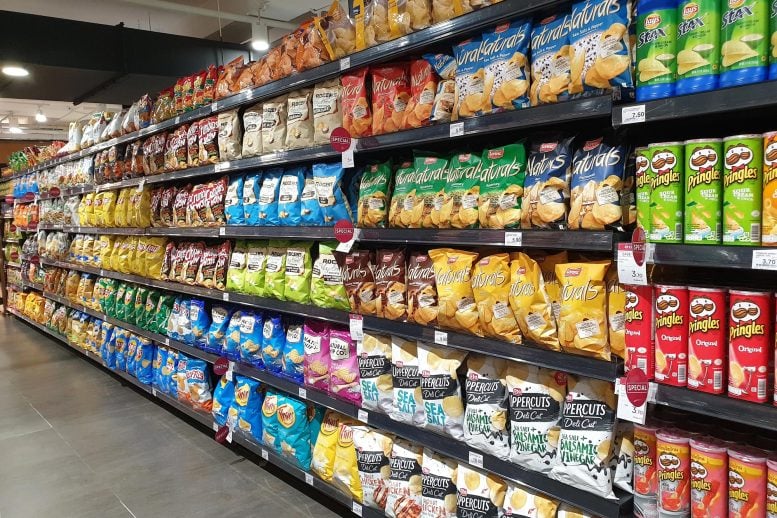
Young adults face hidden metabolic damage from ultra-processed diets
A four-year USC study of young adults found that higher consumption of ultra-processed foods significantly increased the risk of prediabetes and insulin resistance, even before obvious symptoms appear. Every 10% rise in calories from these foods was linked to sharply higher metabolic risk. Researchers say early adulthood is a critical window for prevention, and reducing ultra-processed foods could help lower future diabetes risk.

AI can now 'see' optical illusions. What does it tell us about our own brains?
Researchers have found that some AI vision systems can be fooled by optical illusions in ways similar to humans. By studying how deep neural networks misinterpret illusions, scientists gain insights into how our brains use shortcuts like prediction and context to process vision. While AI doesn’t see exactly like humans, comparing its errors with ours is helping researchers better understand perception, attention, and how the brain constructs reality.