
undefined 8, 2024

Nobel Prize goes to microRNA researchers
The 2024 Nobel Prize in Physiology or Medicine was awarded to US scientists Victor Ambros and Gary Ruvkun for discovering microRNAs, which control gene expression, enabling complex life. MicroRNAs regulate how genes are expressed in different tissues, contributing to diverse cell functions. Their findings, based on research with the nematode worm C. elegans, also revealed links between abnormal microRNA regulation and diseases like cancer. The prize is worth 11 million SEK.

Meta announces new AI model that can generate video with sound
Meta announced a new AI model, Movie Gen, that generates realistic video and audio clips based on user prompts. The tool, which rivals competitors like OpenAI and ElevenLabs, can create 16-second videos with up to 45 seconds of synced audio. Meta showcased examples, including videos of animals and edited footage of people. Movie Gen is designed for collaboration with the entertainment industry, but it won’t be openly available to developers. Concerns remain about AI’s use of copyrighted material and potential deepfakes in elections.

China hacked major U.S. telecom firms in apparent counterspy operation
Chinese hackers, believed to be part of the Ministry of State Security, have breached at least three major U.S. telecommunications providers, including Verizon, AT&T, and Lumen, in a suspected espionage operation. The hackers likely targeted data on U.S. surveillance efforts, with potential access to federal wiretap requests. The breach, under investigation by the FBI and intelligence agencies, is seen as highly sophisticated and poses significant risks to U.S. security. The operation is separate from other known Chinese hacking campaigns.
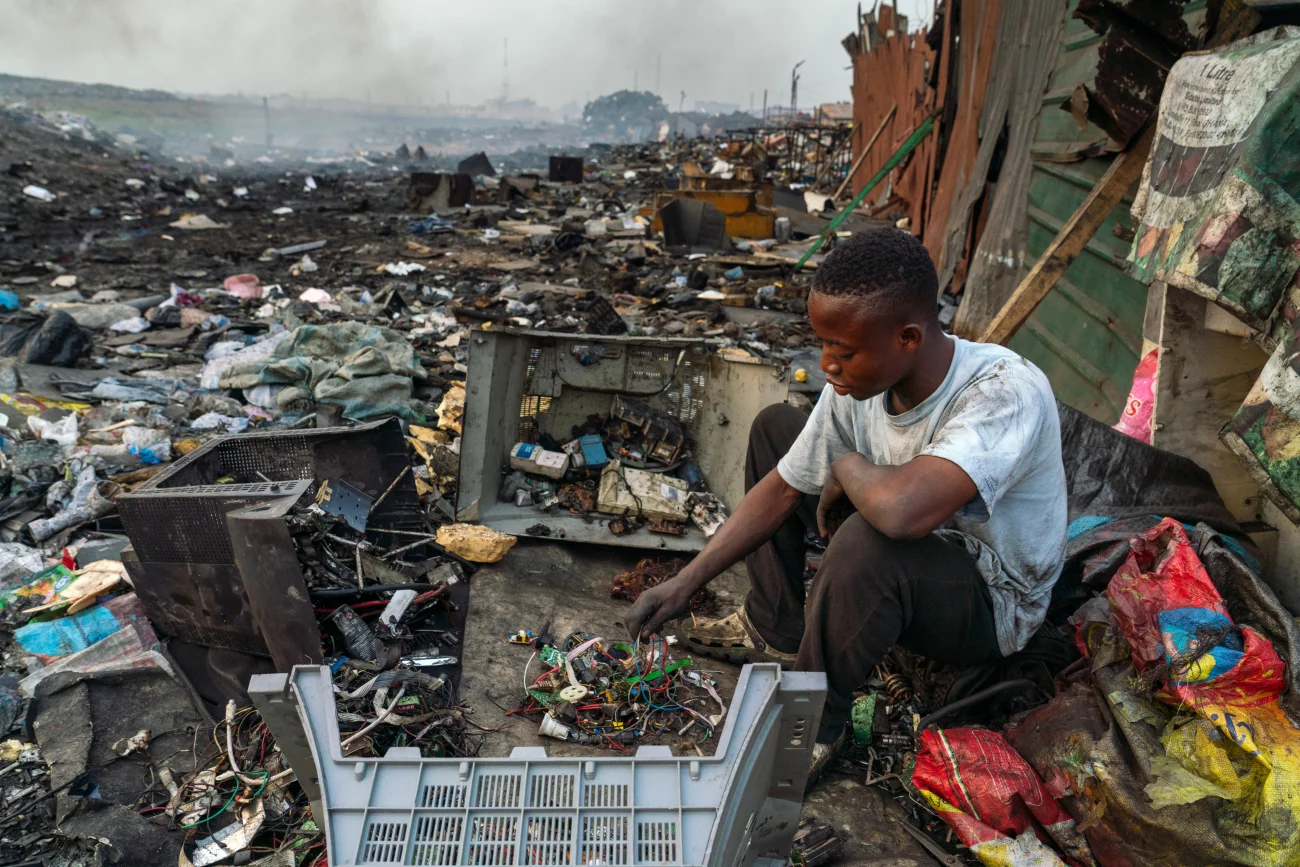
Stunning view of a vast e-waste dumping ground, and those who make a living off it
At 18, Emmanuel Akatire left Zorko, Ghana, for Accra to sift through discarded electronics for valuable metals, earning $60 a week. Accra, a global e-waste dumping ground, faces severe health risks from toxic waste, but it also supports a dynamic recycling economy. Workers like Akatire risk exposure to harmful chemicals, yet the profits from valuable materials often leave Ghana. The project *E-Waste in Ghana* urges a reevaluation of the global e-waste system and its human cost.
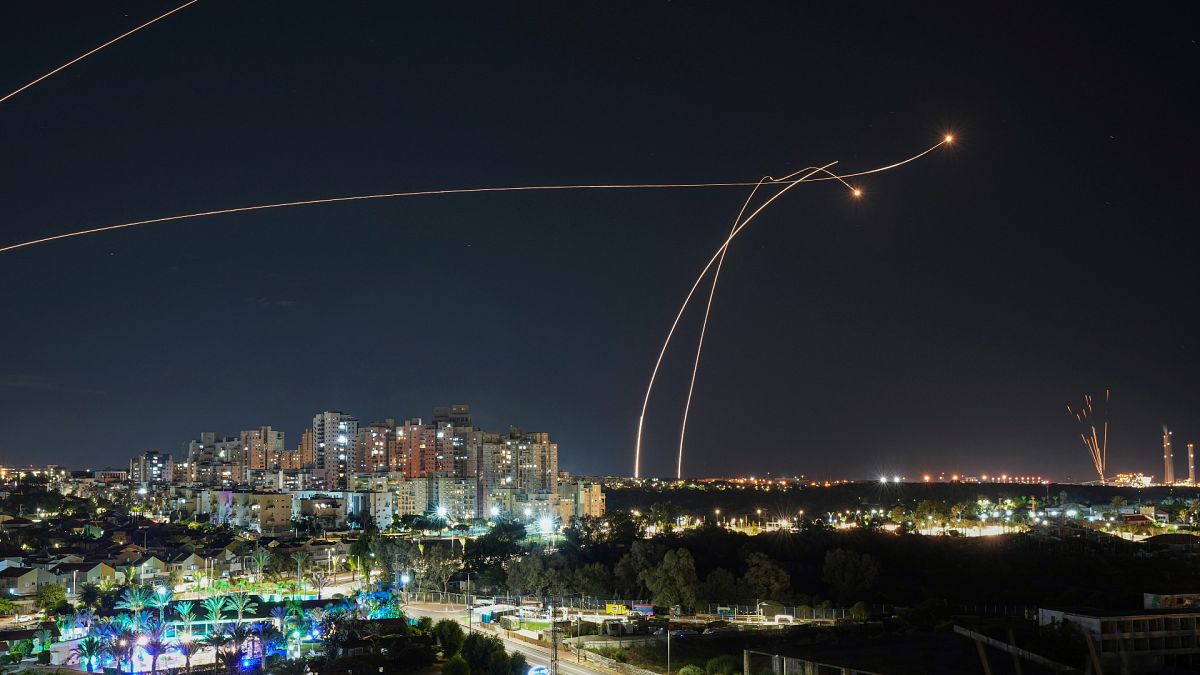
The Iron Dome: How does Israel’s missile defence system work?
Israel's Iron Dome, operational since 2011, intercepts rockets fired by groups like Hamas. It uses radar, command centers, and Tamir missiles to destroy incoming threats, with a claimed 90% success rate. However, experts note it only targets rockets threatening populated areas. Despite its effectiveness, it hasn’t deterred attacks. The system, largely funded by the U.S., costs around $50,000 per interceptor missile, and concerns about regional escalation, particularly with Hezbollah, could overwhelm its capacity.

Robotaxis are here and the public is divided
Despite advances in driverless car technology, public trust in robotaxis remains low, with nearly two-thirds of Americans hesitant to ride in one. Tesla, known for its self-driving tech, is preparing to unveil its robotaxi, but regulatory concerns and accidents, like those involving GM’s Cruise, have raised doubts. Meanwhile, Waymo, a leader in autonomous vehicles, has proven consumer demand with millions of driverless miles. Competitors like Amazon’s Zoox and Cruise are also gearing up, while ride-sharing may face challenges from driverless alternatives.

Congress fights to keep AM radio in cars
AM radio faces challenges as automakers like Tesla and Ford remove it from electric vehicles, citing interference from electric motors. This threatens over 4,000 AM stations in the U.S. The radio industry has lobbied for legislation, leading to the AM Radio for Every Vehicle Act, with support from Sen. Ed Markey. Historically, AM radio was vital for news, sports, and emergencies, but deregulation and corporate consolidation have shifted its focus. Advocates hope for a return to public service standards for AM radio.

No time to read? Google’s new AI will turn anything into a podcast
AI could revolutionize how we consume content, especially lengthy documents. The article author uploaded Facebook's 99-page privacy policy to Google's NotebookLM, and within minutes, it generated a concise summary and a 7½-minute podcast on Meta's data practices, with AI hosts providing commentary. This could change how we engage with complex information on the go.

How to stop advertisers from tracking your teen across the internet
Teens aged 13-17 are tracked via Advertising IDs, which are used by advertisers to collect data once they turn 13 and lose COPPA protections. Parents can delete or reset these IDs on Android and iOS devices to limit targeted ads. On Android, go to Settings > Privacy > Ads to delete the ID. On iOS, opt out of tracking under Settings > Privacy > Tracking. Schools can also educate students and parents on protecting privacy by deleting Advertising IDs.

Telegram app hosts 'underground markets' for Southeast Asian crime gangs, UN says
Criminal networks in Southeast Asia are heavily using Telegram for illicit activities, including trading hacked data and cybercrime tools like deepfake software and malware, the UN said. Telegram's lack of moderation has made it a hub for underground markets. The industry, mostly run by Chinese syndicates, generates up to $36.5 billion annually. The UN report highlights the growing use of AI and malware in criminal operations. Telegram's boss, Pavel Durov, faces charges in France for enabling these activities.

Students adapt Meta's smart glasses to dox strangers in real time
Two Harvard students created smart glasses with facial recognition to expose how easily private information can be accessed. Using Meta’s Ray-Bans and AI, they quickly discovered strangers' names, phone numbers, and addresses by analyzing publicly available data like voter registrations. The demonstration aimed to raise awareness of privacy risks with consumer tech. Meta clarified that their Ray-Bans don’t feature facial recognition but do indicate when recording. The students chose not to release the code due to safety concerns.

Nabta Playa: A mysterious stone circle that may be the world's oldest astronomical observatory
Nabta Playa is an ancient stone circle in southern Egypt, about 7,500 years old, and possibly the world’s oldest known astronomical observatory. Located 175 miles southwest of Aswan, it predates Stonehenge by 2,000 years. The site includes upright stones likely aligned with celestial events, such as star risings and solstices. Excavations revealed a cow skeleton in a central tomb, indicating the site’s connection to cattle herding. It may have also served as a primitive calendar for seasonal changes.

Source: interestingengineering
NASA sacrifices plasma instrument at 12 billion miles to let Voyager 2 live longer
Forty-seven years ago, Voyager 2 began its mission, traveling over 12.8 billion miles. Now, as its power dwindles, NASA has deactivated its Plasma Spectrometer (PLS), which studied charged particles in the solar system and beyond. The PLS played a key role in determining when Voyager 2 crossed into interstellar space. Despite the shutdown, Voyager 2’s journey continues, with four instruments still operational to explore space beyond the Sun’s influence, expected to last into the 2030s.
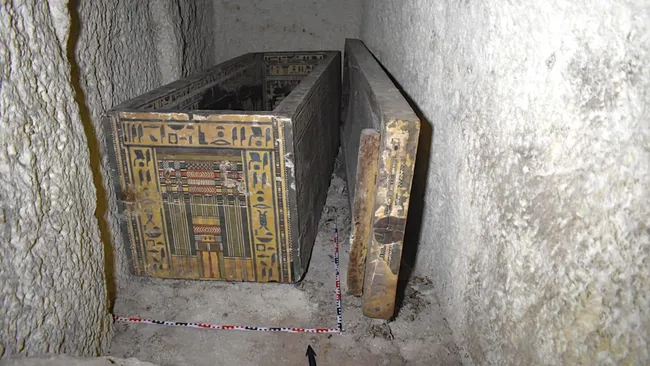
'Extraordinary' burial of ancient Egyptian governor's daughter discovered in a coffin within another coffin
Archaeologists have uncovered the 4,000-year-old tomb of "Idi," the daughter of a local governor, from Egypt’s Middle Kingdom. She was buried in two coffins, one inside the other, covered with intricate texts that may offer new insights into Egyptian views of the afterlife. The tomb, found in Asyut, was robbed in antiquity, but parts of the skeleton remained, revealing Idi likely died before 40. The tomb also contained wooden figurines, possibly depicting Idi, and hieroglyphs referring to her as "lady of the house."
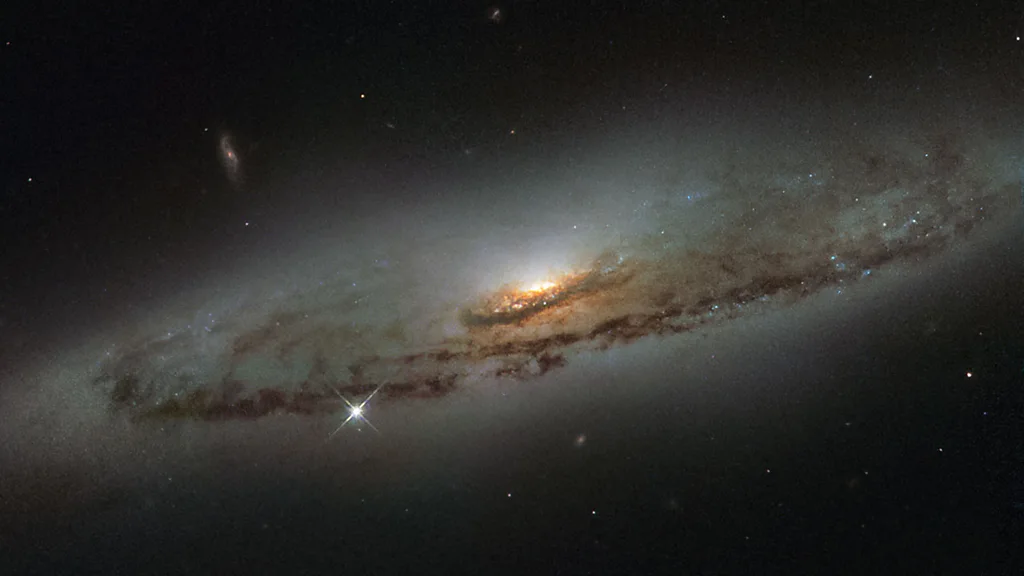
Stupendously large: How big can black holes get?
Astronomers have identified a new class of ultramassive black holes, far larger than the supermassive ones at the centers of galaxies. These black holes can be up to 1,000 times more massive than Sagittarius A*, the black hole at the center of our Milky Way. One of the largest discovered, Ton 618, is 66 billion times the mass of the Sun. While the formation of such massive black holes challenges current theories, the James Webb Space Telescope is revealing even more colossal candidates. Some scientists believe these black holes grew rapidly in the early universe, potentially merging to reach their immense sizes.

Believe it or not, this lush landscape is Antarctica
A rapidly warming region of Antarctica is turning greener at an alarming rate. Satellite imagery of the Antarctic Peninsula reveals that vegetation has expanded nearly 14-fold in 35 years, with plant-covered areas growing from less than one square kilometer in 1986 to almost 12 square kilometers in 2021. The growth rate accelerated by 33% between 2016 and 2021. Researchers attribute this transformation to climate change, with temperatures in the region rising by almost 3°C since 1950. This shift from ice to plant life could lead to the spread of non-native, invasive species, threatening native Antarctic flora that are adapted to extreme conditions.

Quantum physicists discover 'negative time' in strange experiment
Researchers led by Daniela Angulo at the University of Toronto found that photons can spend a negative amount of time passing through a cloud of chilled atoms. When photons interact with rubidium atoms, they sometimes seem to exit the material before entering. This bizarre result comes from the probabilistic nature of quantum particles, showing that the group delay associated with photons can occasionally be negative, offering new insights into quantum behavior.
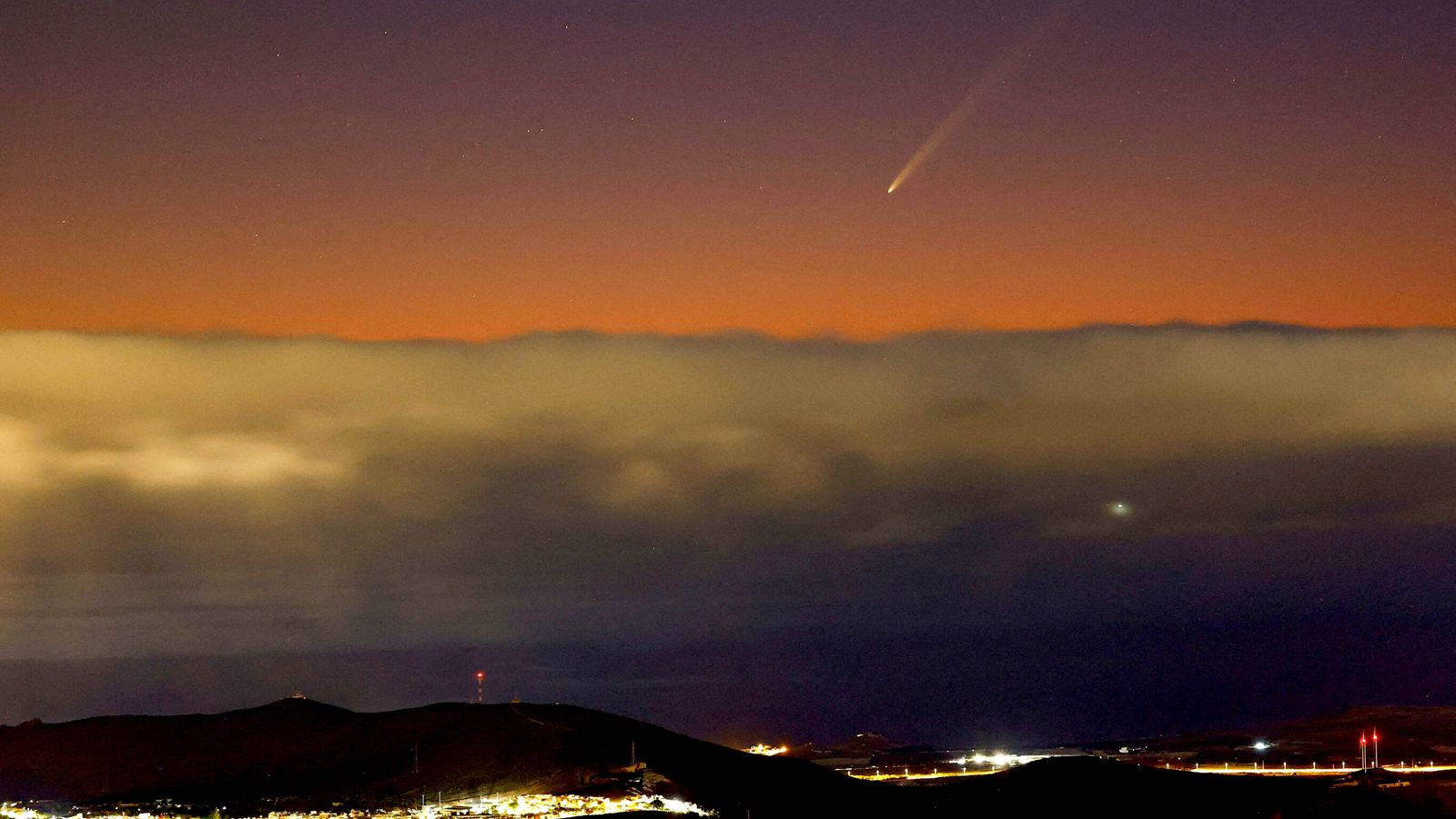
'Most impressive comet of the year' set to burn across the night sky
The A3 comet, last seen when Neanderthals roamed Earth, is making its return. Discovered in January 2023, the comet (C/2023 A3) visits the inner solar system every 80,000 years. Hailing from the Oort Cloud, it’s expected to be visible to the naked eye under the right conditions. The Oort Cloud is a vast, icy shell surrounding our solar system, home to many long-period comets like A3. The Royal Greenwich Observatory calls it "the most impressive comet of the year."

Big Tech has cozied up to nuclear energy
Tech giants like Amazon and Microsoft are turning to nuclear reactors to power their energy-demanding data centers. With the rise of AI, companies are grappling with increased emissions, making nuclear energy a potential solution. Microsoft is reviving the shuttered Three Mile Island plant, while Amazon secured power from the Susquehanna plant. Smaller modular reactors are also in development. Despite challenges, these moves could spark a new wave of nuclear investment to meet rising energy demand.
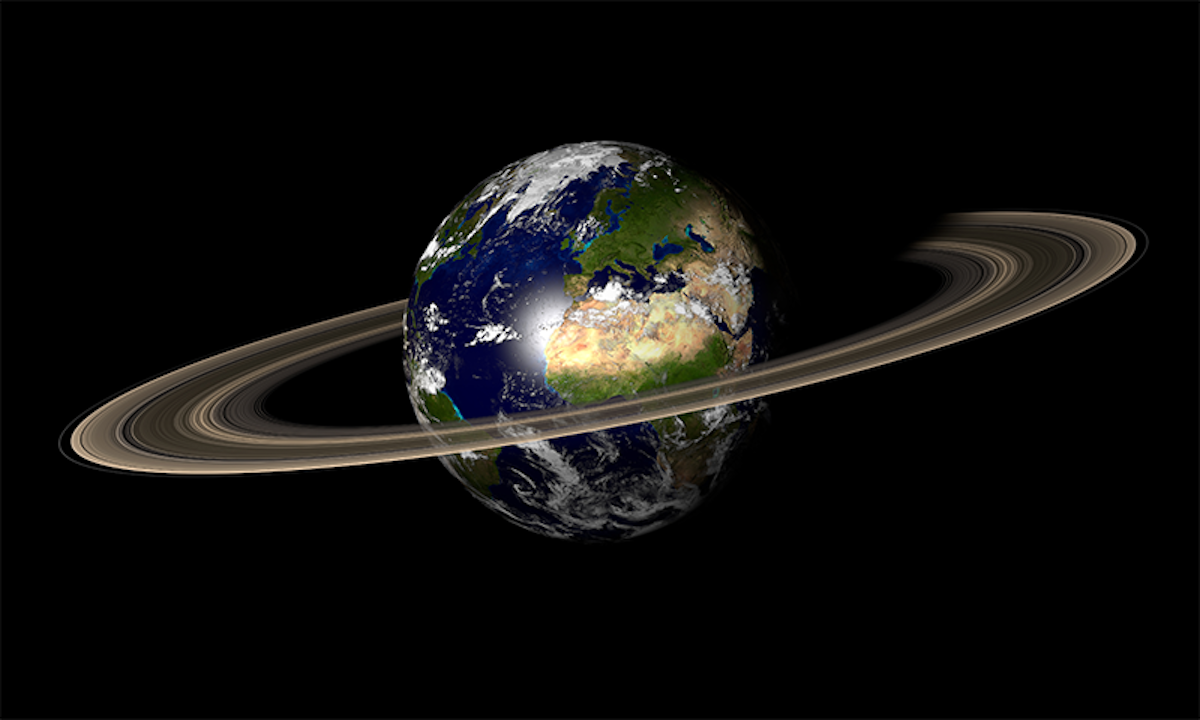
When Earth had rings
Earth may have once had its own ring system, similar to those of Saturn and other planets, according to a study in Earth and Planetary Science Letters. Researchers suggest that rings could have formed from a close pass of an asteroid or comet about 466 million years ago, during a period of significant impacts and environmental change. The study found that craters from this time were concentrated around the equator, hinting at a ring system. These rings might have influenced Earth’s climate and contributed to a mass extinction. The idea opens new avenues for understanding Earth's geological history.