
undefined 13, 2025
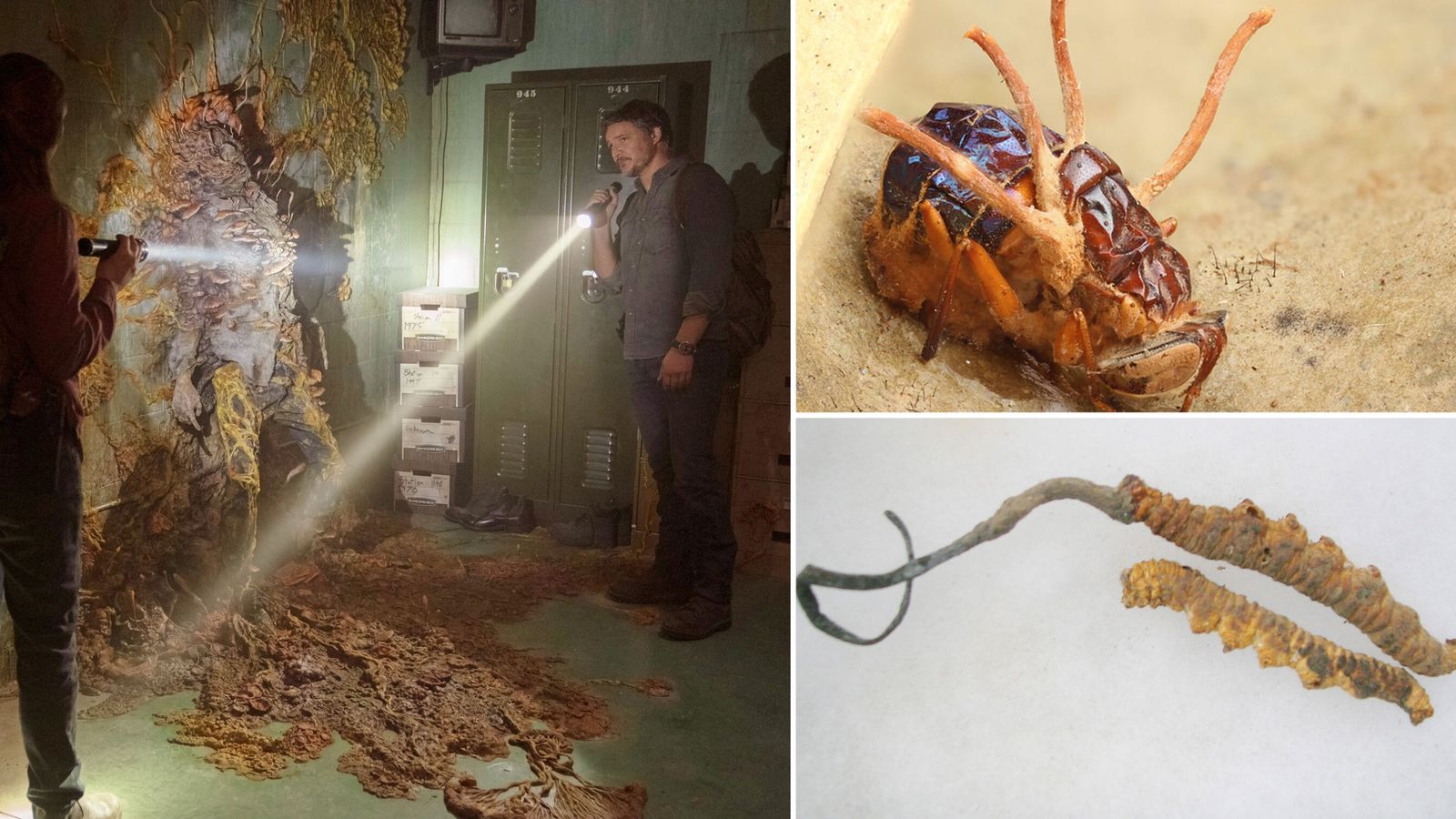
The Last Of Us: The science behind the real 'zombie' fungus
HBO’s *The Last of Us* returns for season two, dramatizing a fungal pandemic. Though highly fictionalized, experts confirm fungal infections are real and deadly—killing hundreds of thousands annually. Fungi like Aspergillus and Candida already pose major health risks. Cordyceps, the show's villain, can't infect humans, but climate change may increase fungal threats. No zombie fungi yet—but experts stress the need for vigilance and better antifungal preparedness.
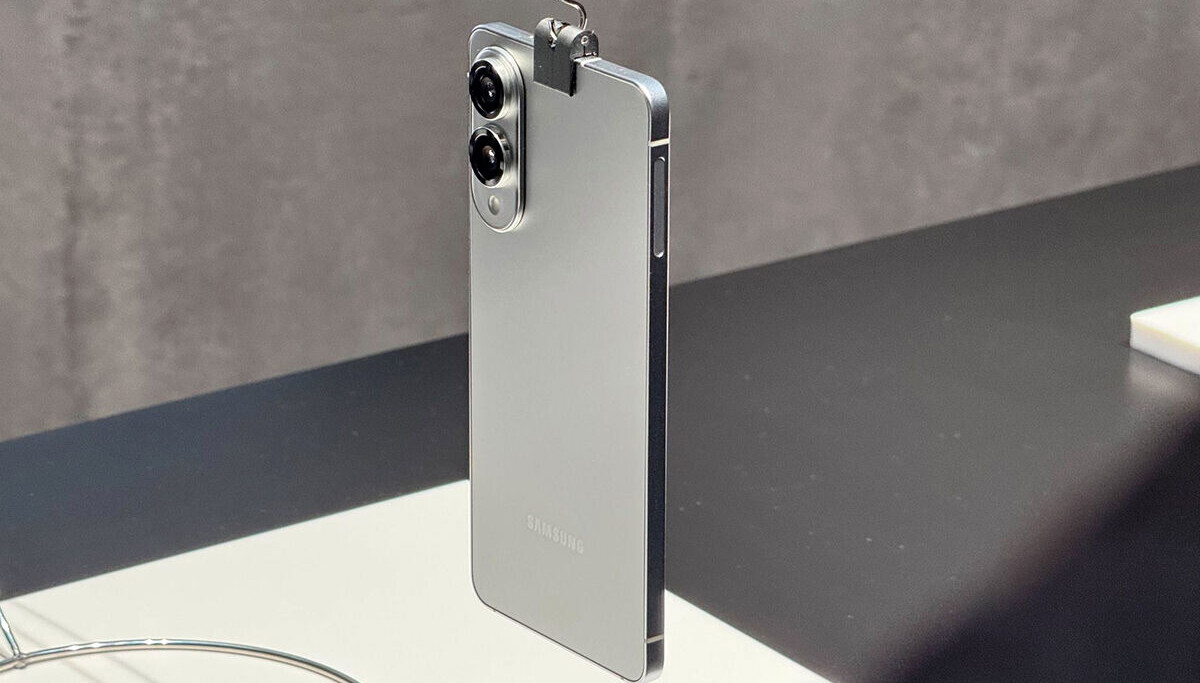
Samsung’s Galaxy S25 Edge Feels Absurdly Thin—at the Cost of Battery Life
Samsung’s Galaxy S25 Edge is an ultra-thin, lightweight phone (5.8 mm, 163g) with a 6.7" display and premium specs, including a Snapdragon 8 Elite chip, 200MP camera, and titanium frame. Priced at \$1,100, it offers many Ultra features but sacrifices battery life (3,900 mAh) and fast charging. Ideal for those wanting a sleek, powerful device without the bulk, though power users may find its endurance lacking. Sales begin May 30.

Source: interestingengineering
Over 80 crates full of Nazi documents found in Argentine court’s basement
Over 80 crates of Nazi-era documents were found in Argentina’s Supreme Court basement during prep for a new museum. Hidden since 1941, the materials include propaganda, photos, and Nazi party records. Originally seized by customs, the shipment came via a Japanese ship from Germany’s Tokyo embassy. Experts are now cataloging the archive, which may shed light on Nazi influence in South America and postwar networks. The find revives focus on Argentina’s role in harboring Nazi fugitives after WWII.
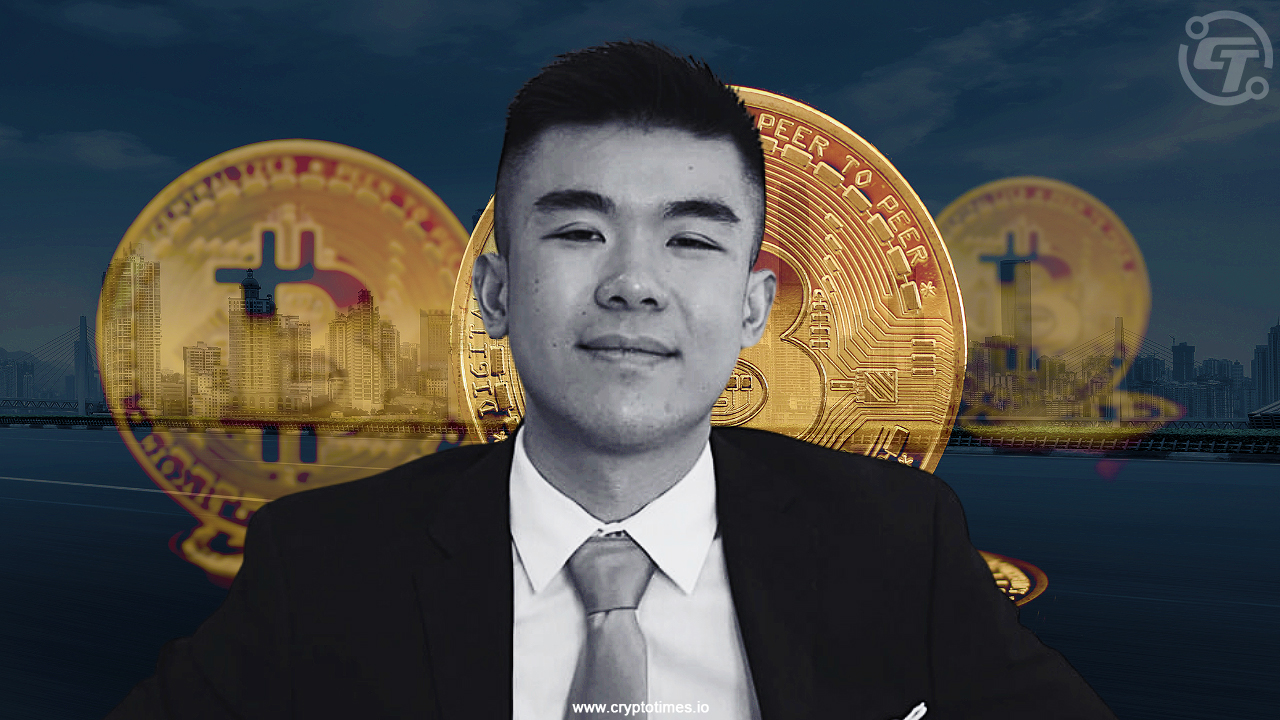
Crypto founder Jeffy Yu faked his own death on a live stream
Jeffy Yu, founder of crypto token Zerebro, faked his own suicide on a livestream on May 4 in a bizarre stunt that briefly convinced the internet he was dead. A dramatic video showed him appearing to shoot himself, followed by an obituary and the launch of a tribute memecoin, \$LLJEFFY, which surged in value. But suspicions grew as blockchain data showed Yu moving funds between wallets, and by May 7, he was found alive at his parents’ home. The hoax appears to have been a calculated attempt to exit the crypto scene while profiting from the viral chaos.
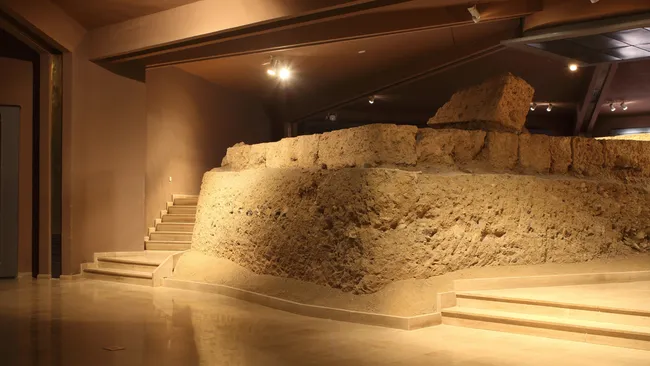
Alexander the Great's father tomb actually contains younger man, a woman and 6 babies
A new study challenges the long-standing belief that Philip II of Macedon, father of Alexander the Great, is buried in “Tomb I” at Vergina, Greece. Published in the *Journal of Archaeological Science* (July 2025), the research shows the tomb actually holds the remains of a younger man who died before Philip’s assassination in 336 B.C.—likely ruling him out as Philip. Alongside him are the remains of a woman and six infants, with the infants buried centuries later during Roman times. The man may have been an earlier Macedonian king, such as Alexander II or Perdiccas III. Philip II is still widely believed to be buried in the nearby, unlooted Tomb II.
Scientists in a race to discover why the Universe exists
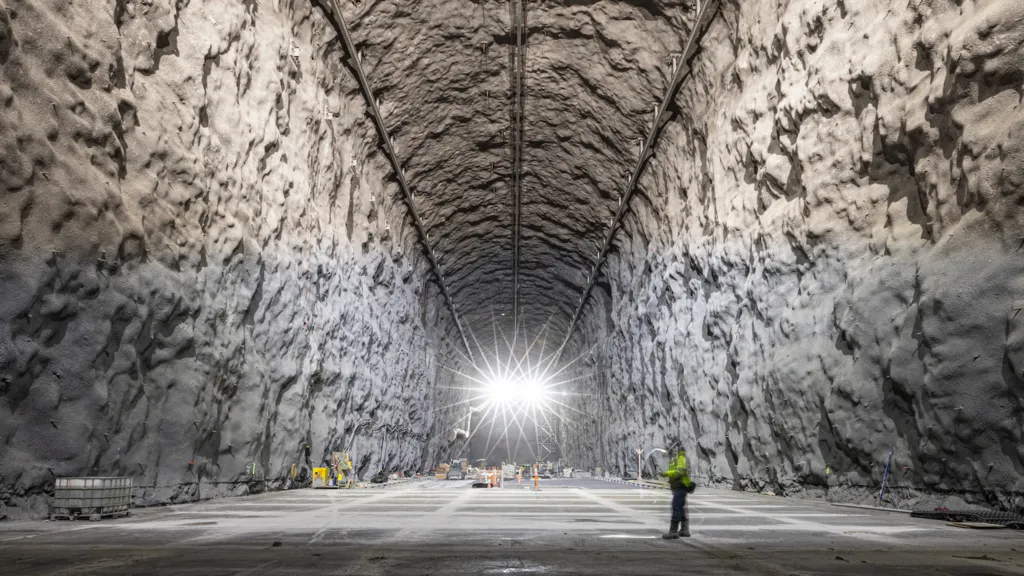
Deep beneath the forests of South Dakota, scientists at the Deep Underground Neutrino Experiment (DUNE) are racing to uncover why the Universe exists — a question that current physics can’t explain. DUNE will shoot beams of neutrinos and their antimatter counterparts 800 miles from Illinois to massive detectors underground, hoping to see if they behave differently in flight. Such a difference could explain why matter won out over antimatter at the dawn of the Universe. But Japan's Hyper-Kamiokande, a larger and earlier-starting neutrino experiment, may beat DUNE to key discoveries. Both projects hope to unlock fundamental truths about the cosmos.
Only 0.001% of deep ocean has ever been explored by humans
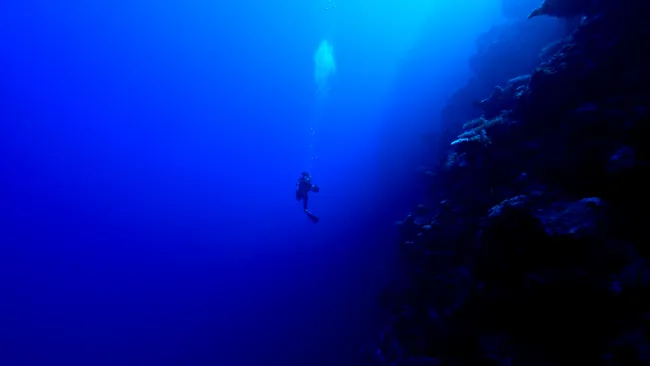
Despite covering two-thirds of Earth’s surface, just 0.001% of the deep ocean floor has ever been seen by human eyes, according to a new study published in *Science Advances*. That’s about the size of Rhode Island. Researchers compiled over 43,000 deep-sea dive records using submersibles and underwater vehicles, and found that exploration has been heavily concentrated near just a few countries like the U.S., Japan, and New Zealand. Scientists warn this lack of data is alarming as climate change and deep-sea mining loom, and stress the urgent need for a global push to explore and protect Earth’s largest, least-known ecosystem.
How gardening can help you live better for longer
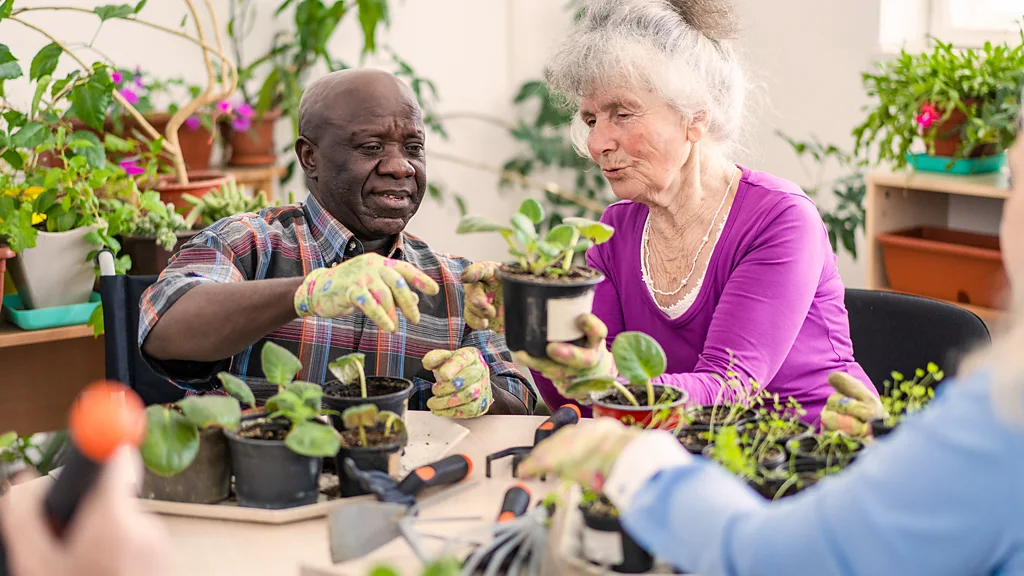
Gardening may protect the brain and lower dementia risk by up to 36%, research shows. Now, care farms like Norway’s Impulssenter use gardening to help dementia patients stay active, social, and mentally engaged. It boosts memory, reduces stress, and supports brain health—all while offering purpose and joy.

I broke up with Google search. It was surprisingly easy
Quitting Google Search felt like quitting coffee — hard at first, then freeing. After switching to DuckDuckGo for two weeks, I stopped missing Google. Results were usually just as good, with less data tracking. The experiment showed it's easy to ditch Google Search, but hard to escape Google’s grip overall. Still, using alternatives more often can make a difference.
Physicists turn lead into gold — for a fraction of a second
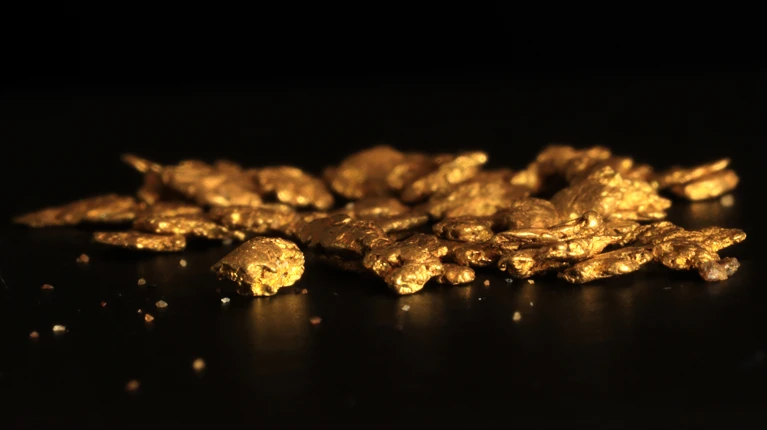
Physicists at the Large Hadron Collider (LHC) have achieved the alchemist's dream: turning lead into gold, albeit briefly and at great cost. By smashing lead ions together at near-light speed, the intense electromagnetic field causes a lead nucleus to eject protons, transforming it into gold. Between 2015 and 2018, these collisions produced 86 billion gold nuclei, weighing just 29 trillionths of a gram, but they only lasted for about a microsecond before decaying.