
undefined 21, 2025
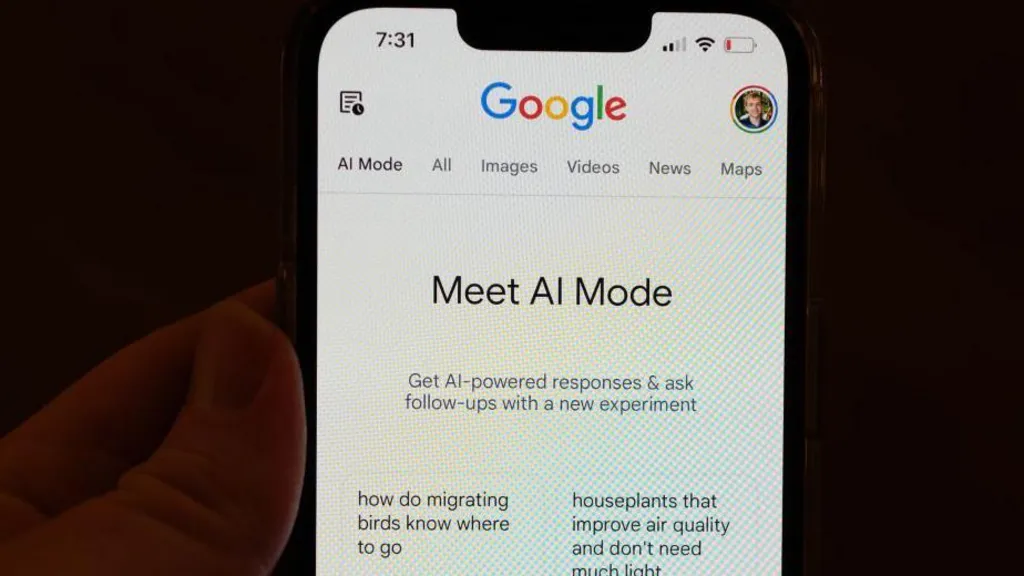
AI chatbot to be embedded in Google search
Google has launched a new "AI Mode" in its US search engine, integrating its Gemini chatbot for more conversational, expert-like responses. Announced at its developer conference, the move aims to compete with ChatGPT. Google also revealed plans for AI-powered glasses and a subscription AI tool. Despite past AI missteps, CEO Sundar Pichai said features like AI Overviews now get 1.5B monthly uses. However, AI search may reduce ad clicks, potentially impacting Google's revenue.

Voyager 1’s long-dead thrusters fire again after 20 years
NASA engineers revived Voyager 1’s roll thrusters, dormant since 2004, just in time before a key communication antenna goes offline. With main thrusters degrading, the team risked a daring fix to restore control. Their theory—that a power circuit switch had flipped—proved right. On March 20, the heaters reactivated, saving the mission. This miracle extends the life of the 1977-launched probe, now 15 billion miles from Earth, and still sending data from interstellar space.

How is Roman concrete still standing after 2,000 years?
Roman concrete has lasted over 2,000 years thanks to volcanic ash (pozzolan) and chunks of quicklime (lime clasts) that give it self-healing powers. When water enters cracks, it triggers a chemical reaction that fills them with calcite. Unlike modern concrete, which breaks down in 100 years, Roman structures like the Pantheon still stand strong—thanks to smarter, hotter mixing methods we’re only now starting to understand.

Source: interestingengineering
Chernobyl’s back: Ukraine eyes nuclear reactor for power after 39 years of disaster
Ukraine plans to build small modular reactors (SMRs) in the Chernobyl exclusion zone to meet future energy needs. Once the site of a major nuclear disaster in 1986, the area is now being considered for nuclear revival. Energoatom and Ukrenergo have identified 12 potential SMR sites, and a 2023 deal with Holtec includes up to 20 units. While some radiation remains, levels have dropped significantly, and surveys show parts of the zone may be usable again.

On Instagram addiction
The author recounts a month-long Instagram addiction that disrupted sleep and daily life. After quitting cold turkey, they reflect on the app's addictive nature—especially short-form videos—and the difficulty of escaping its grip. Despite recognizing its downsides, they acknowledge the platform's creativity, connection, and pull. Now, they've set restrictions and plan intentional use via a content calendar, aware of the app’s allure and the challenge of maintaining control.
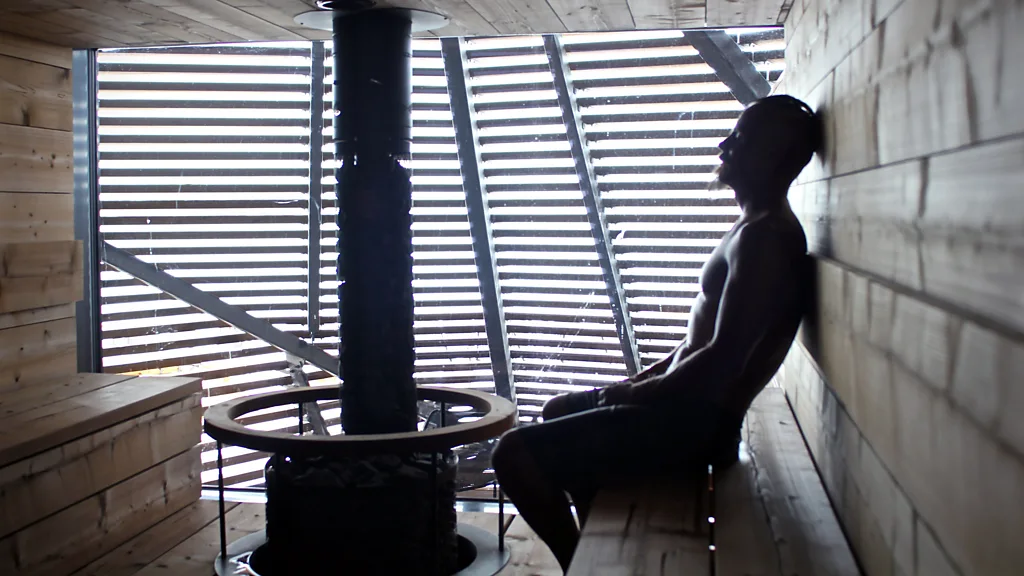
Finland is obsessed with saunas, but are they any good for you?
The Finnish sauna-ice plunge tradition is gaining global popularity. Science suggests it may boost cardiovascular and mental health, reduce dementia risk, and lower blood pressure—especially when combined with exercise. Saunas raise body temperature and relax muscles, while cold plunges constrict vessels and increase alertness. Though risks exist, especially for those with health conditions, many find the ritual both energizing and deeply calming.
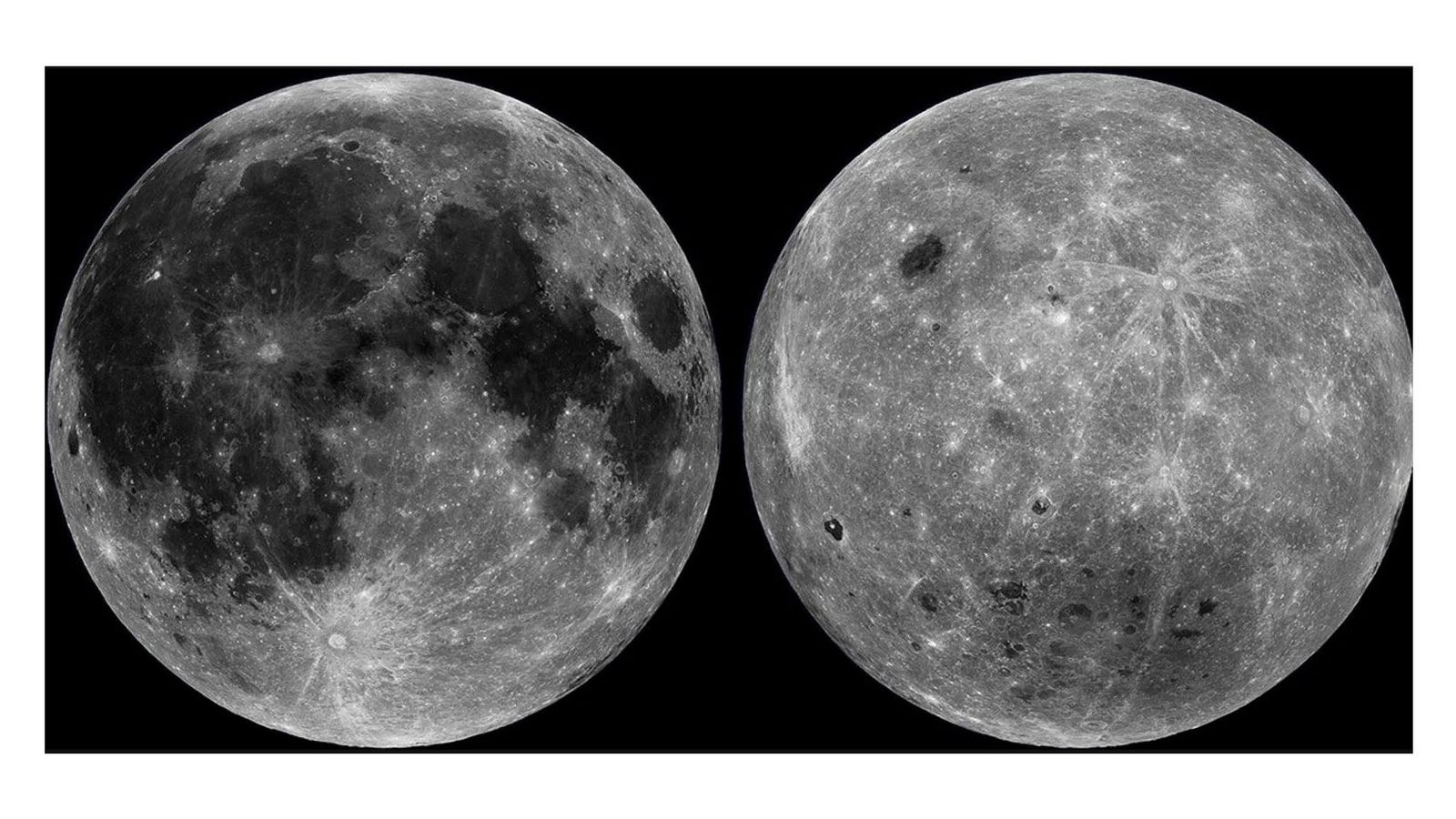
The moon's very different sides explained in new NASA study
Scientists found the Moon's near side flexes more than the far side, revealing key internal differences. The near side is lava-covered and warmer inside, while the far side is rocky. Using data from NASA's GRAIL mission, the team confirmed the asymmetry after years of study. This discovery not only explains the Moon's uneven appearance but could help map other planetary bodies like Jupiter and Vesta.

Source: interestingengineering
30-foot monster sea lizard fossil from 66 million years ago unearthed in US
Geologists in Mississippi discovered a huge mosasaur vertebra, belonging to a giant sea lizard estimated at 30 feet long—one of the largest ever found in the state. Mosasaurs were apex marine predators with dagger-like teeth, growing over 50 feet and weighing 20,000 pounds. The fossil reveals Mississippi was once covered by warm tropical seas during the late Cretaceous. The vertebra is now displayed at the Mississippi Museum of Natural Science.

Almost half of young people would prefer a world without internet
A survey shows nearly half of young people would prefer a world without the internet. About 70% of 16- to 21-year-olds feel worse after using social media, and half support a “digital curfew” restricting app use after 10pm. Many admit to lying about their online activity or age. Experts warn curfews alone won't protect kids from online harms and call for safer, less addictive platforms. The study highlights urgent need for laws to regulate tech and protect youth mental health.
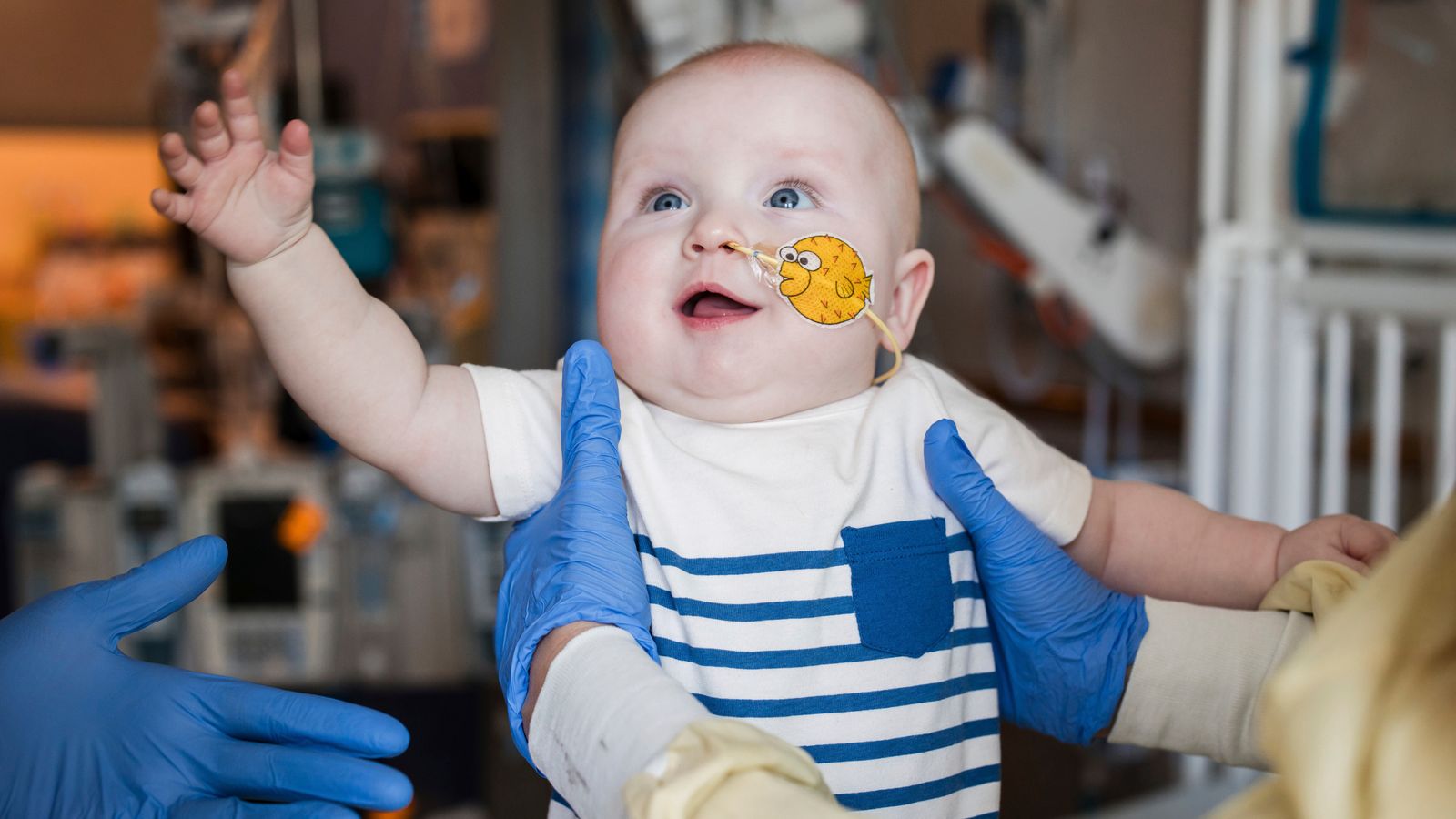
Baby gets world's first personalised gene therapy treatment
A 9-month-old baby with a rare genetic disease, CPS1 deficiency, is “growing and thriving” after receiving a bespoke gene-editing therapy. Developed in just seven months using CRISPR, the treatment fixes the exact DNA mutation causing his condition. Since treatment, KJ Muldoon has improved eating, recovered better from illnesses, and needs fewer meds. This first-of-its-kind therapy marks a major step toward curing rare genetic disorders and could transform personalized medicine soon.