
undefined 30, 2025
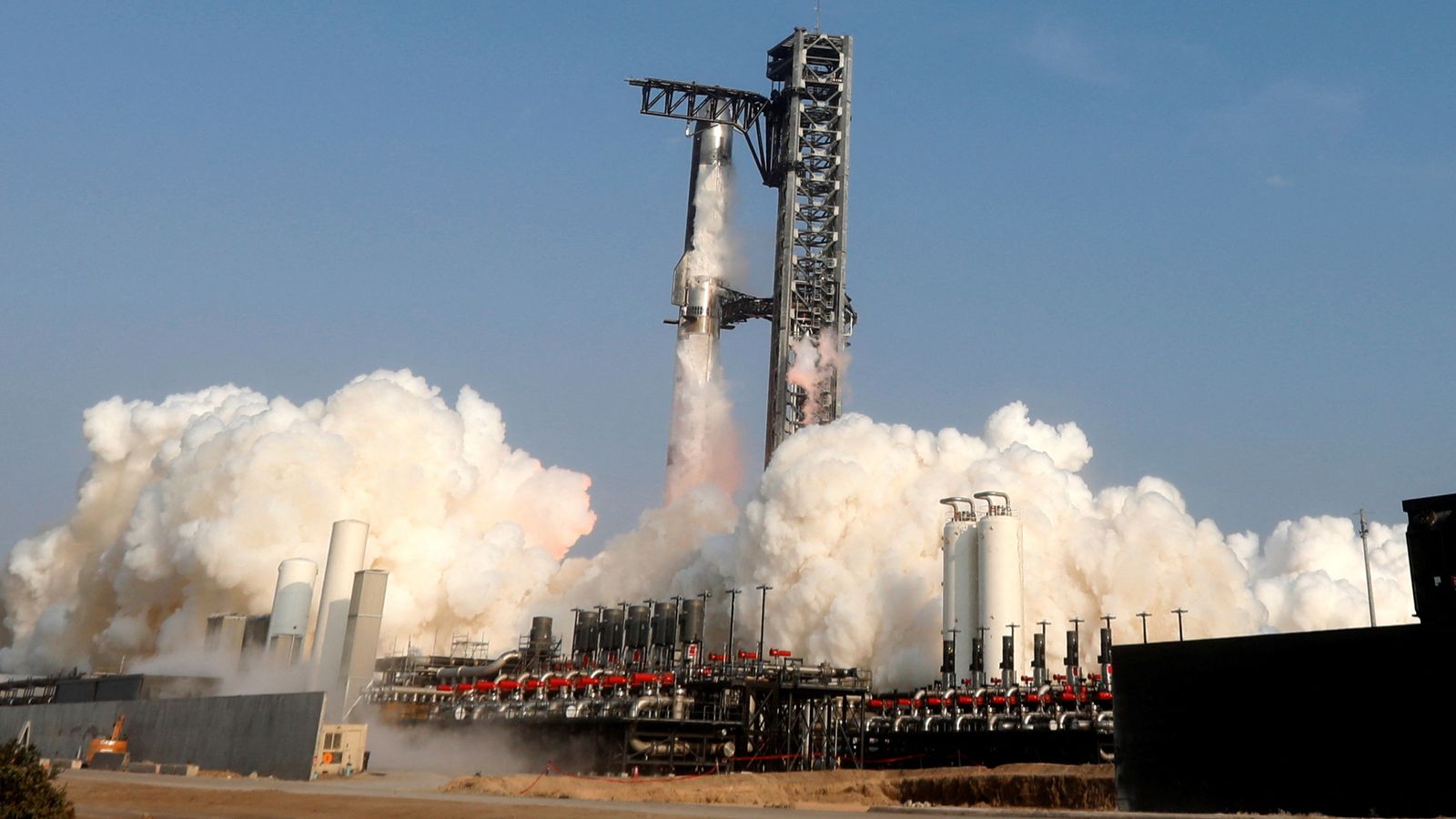
SpaceX Starship rocket spins out of control on test flight
SpaceX's Starship failed its third test flight, spinning out of control due to fuel leaks and breaking up on re-entry. The payload door malfunctioned, and the reused booster crashed into the Gulf of Mexico. Despite setbacks, Elon Musk called it a "big improvement" and plans more frequent launches. NASA depends on Starship for future moon missions, but doubts grow over Musk's Mars ambitions after multiple failures this year.

Should you ever cut ties with your parents?
Family estrangement is more common than many think, with emotional abuse, unmet expectations, and shifting cultural norms often behind it. While some find cutting ties with parents liberating, others feel sadness or regret. Research suggests reconciliation is possible—62% with mothers and 44% with fathers eventually reconnect. Experts urge empathy, reflection, and caution, as estrangement can bring lasting emotional consequences for both sides.

Elon Musk sure does want everyone to think he’s leaving politics
Elon Musk, once closely tied to Donald Trump and active in government through DOGE, announced on May 28 he’s stepping away as his 130-day term as a Special Government Employee ends. Musk claims he's pulling back from politics, admitting he spent too much time on it. Though his exit aligns with legal limits, tensions with Trump officials suggest he may no longer be welcome in Washington, casting doubt on his full political withdrawal.

Source: interestingengineering
World’s oldest selfie? 43,000-year-old Neanderthal art reveals earliest face perception
A 43,000-year-old granite pebble found in central Spain has revealed the most complete Neanderthal fingerprint ever discovered. Likely left while applying red ocher to create a symbolic face, the print suggests advanced cognitive abilities, including abstract thinking and pareidolia—the tendency to see faces in objects. The stone, not used as a tool, may be one of the earliest examples of symbolic expression in Europe. Researchers believe the print, likely from an adult male, offers new insights into Neanderthal intelligence and challenges long-held assumptions about their capabilities.

Am I hot or not? People are asking ChatGPT for the harsh truth
Some are asking ChatGPT for brutally honest beauty advice their friends won’t give. Users upload photos, seeking glow-up tips—from bangs to Botox—and spend hundreds following the bot’s suggestions. Many say it feels more objective than people they know, but critics warn the advice may reflect biased, harmful beauty standards baked into its training data, and that product suggestions could serve profit, not users.

Is it alien life, or just ethane? Scientists reassess Webb Telescope discovery
Excitement over possible signs of life on exoplanet K2-18b has cooled. A new University of Chicago study says the molecule detected by the James Webb Space Telescope—once thought to be dimethyl sulfide, linked to life—could actually be something more common, like ethane. The team found the data too noisy to support the original claim. Scientists urge caution, saying more evidence is needed before making bold declarations about alien life.

Why the record-breaking number of cyberattacks could be a prelude to the ‘big one’
Cyberattacks in the UK have surged in 2025, with millions affected by breaches at M\&S, Co-op, and Legal Aid. Experts warn this “perfect storm” of rising digitisation, cheap hacking tools, and aggressive cybercriminals could lead to a catastrophic event. A new botnet, Aisuru, is capable of devastating DDoS attacks. Security pros say critical infrastructure is at real risk, and a major cyber disaster may be inevitable if current trends continue.
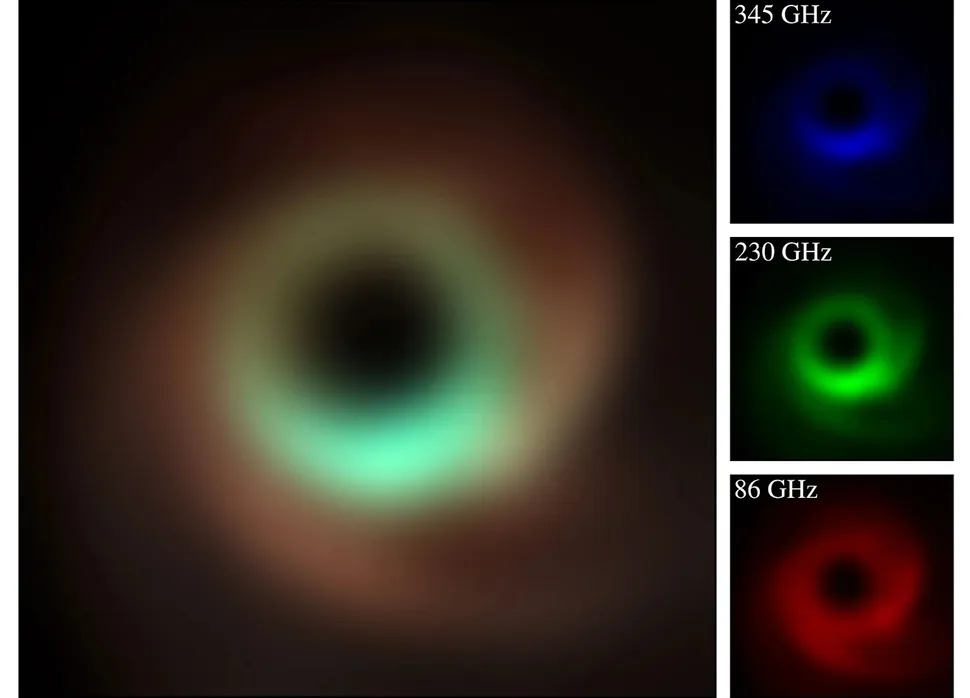
World's first color images of black holes are on their way
Astronomers using the Event Horizon Telescope developed a method to observe the radio sky at multiple frequencies simultaneously, enabling color images of supermassive black holes. By applying frequency phase transfer (FPT), they correct atmospheric distortions using 3mm wavelength data to sharpen 1mm wavelength images. This lets them combine different radio bands quickly, overcoming previous limits where telescopes could only observe one band at a time, allowing clearer, high-resolution color radio images.

Source: interestingengineering
US startup unveils fridge-sized machine that makes gasoline out of thin air
Aircela showcased a fridge-sized machine in NYC that produces gasoline from air using renewable electricity. This clean fuel, free of sulfur and heavy metals, works in standard engines without modifications. Unlike large synthetic fuel plants, Aircela’s compact system captures CO2 from the atmosphere and converts it on-site. Founded in 2019, the startup plans initial deployments by fall 2025, backed by major investors and rooted in pioneering direct air capture science.
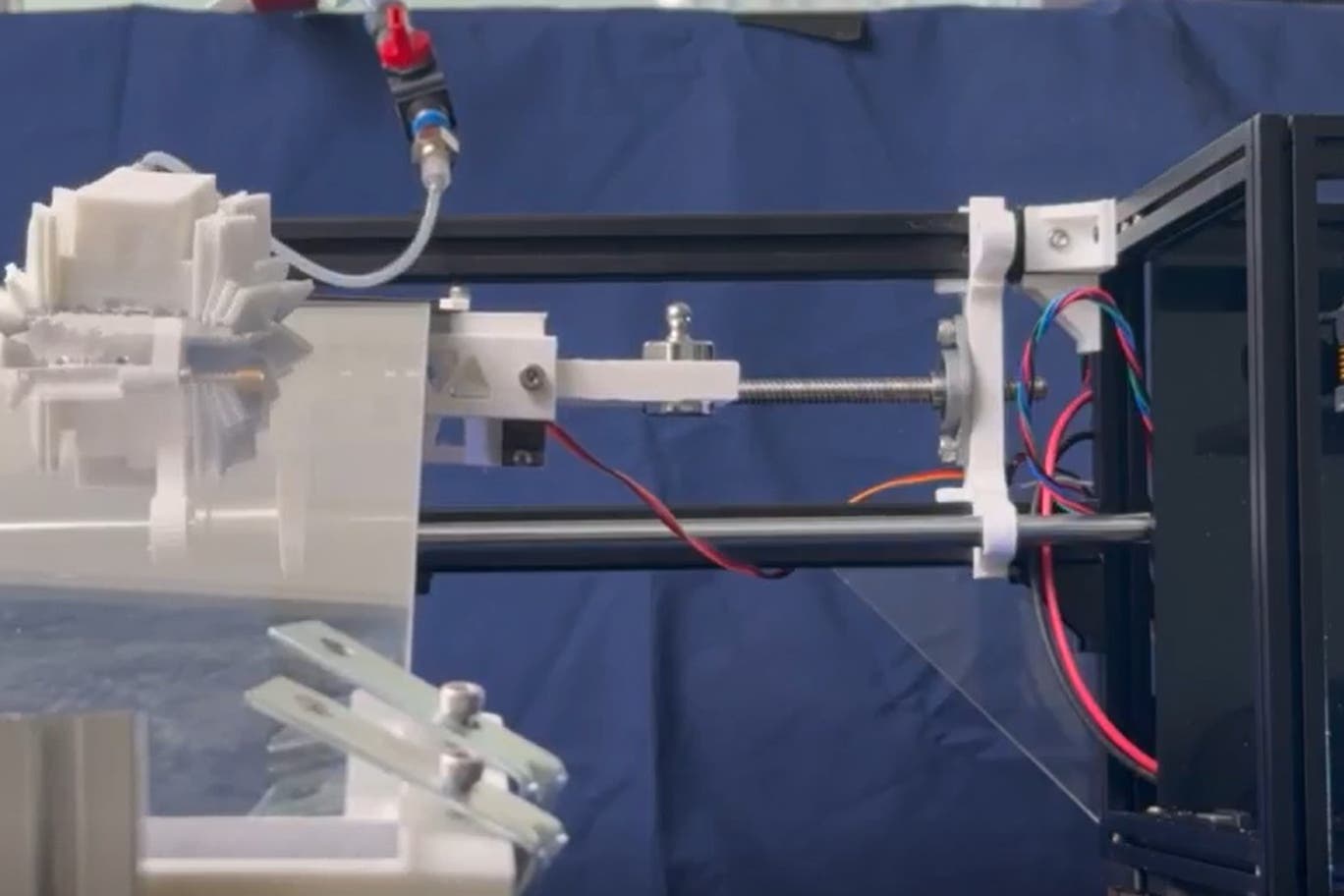
Scientists make robots that can walk straight out of the printers that created them
Scientists developed four-legged soft robots that can walk right after 3D printing using a novel upside-down method. Edinburgh University’s low-cost Flex Printer uses off-the-shelf parts and prints soft plastic robots powered by air pressure. These robots need no electronics and can be made easily, overcoming previous design and manufacturing limits. The open-source system aims to boost research and applications in soft robotics across fields like biomedicine and space.
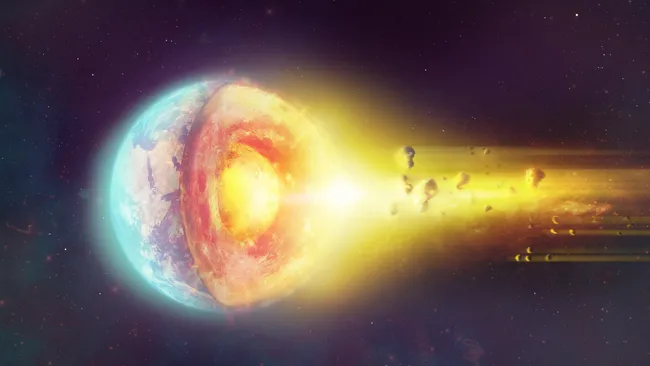
Earth's core is 'leaking' gold
Scientists have discovered that Earth’s core is leaking precious metals like gold, according to new research. While 99.9% of these metals remain deep in the core, volcanic rocks from Hawaii reveal traces of ruthenium—a platinum group metal—originating from the core-mantle boundary nearly 1,800 miles below. This shows that super-heated mantle material rises from the core, bringing metals to the surface, explaining part of the source for some metals we mine today.
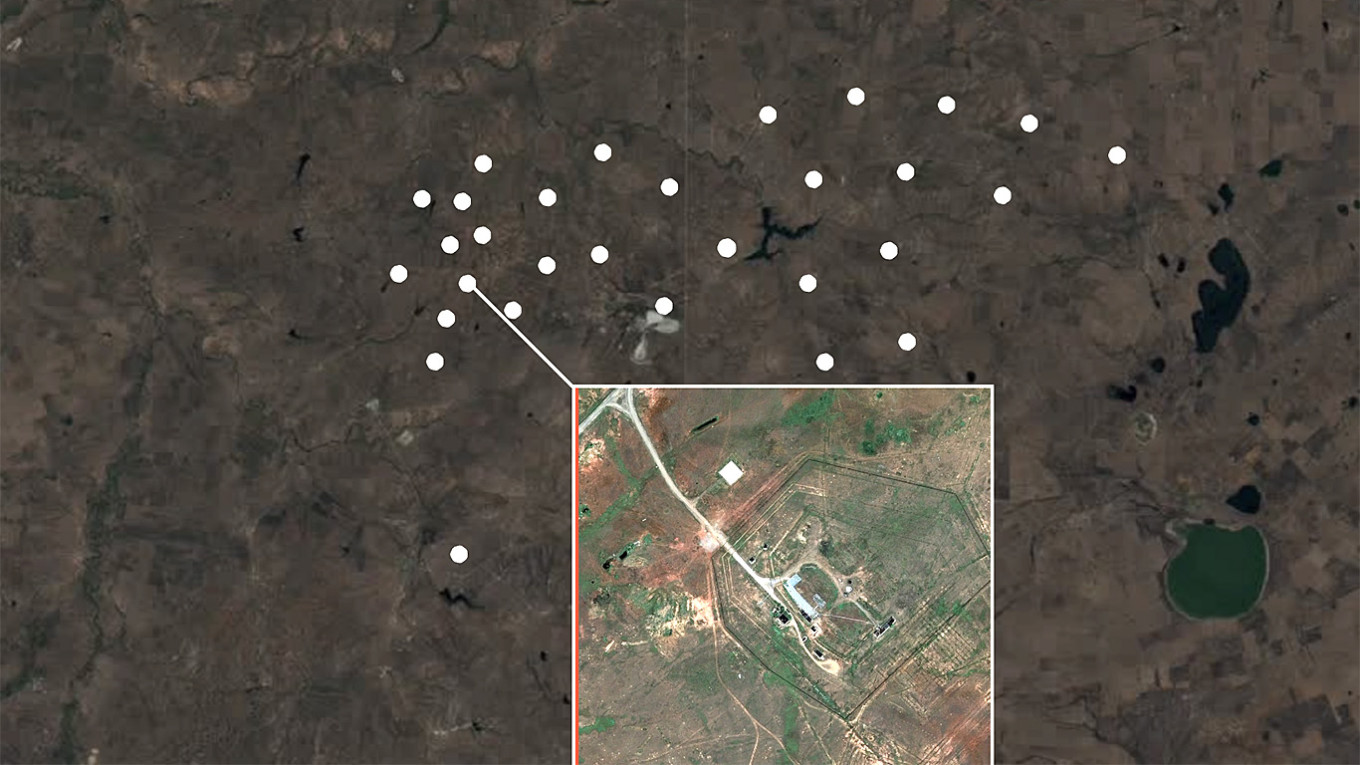
Russia's vast nuclear modernization exposed in 'unprecedented' leak
Over 2 million leaked documents reveal Russia’s expansion and modernization of its nuclear weapons bases near Yasny, home to Avangard hypersonic glide vehicles. The files show rebuilt facilities with new barracks, tunnels, security systems, and power grids. Experts say the leaks offer rare insight into Russia’s nuclear capabilities amid ongoing threats and a lower nuclear use threshold. Despite tighter controls, sensitive plans were still publicly shared as recently as mid-2024. Russia’s Defense Ministry has not commented.