
undefined 22, 2025

Source: interestingengineering
ChatGPT gets major agent upgrade, now automates workflows from start to finish
ChatGPT’s new “agent mode” lets it complete complex tasks, like building slideshows or analyzing websites, autonomously. It browses, clicks, runs code, and uses tools in a continuous loop, integrating web, terminal, and app workflows. Users can guide or interrupt tasks mid-process. Safety features include user confirmations, prompt injection defenses, and private sessions. It outperforms past models in major benchmarks but is still in early rollout.

Biggest trial of four-day work week finds workers are happier and feel just as productive
A major study across six countries found that a four-day workweek, with no pay cuts, led to happier, healthier, and more productive employees. Over six months, 2,896 workers at 141 companies reported less stress, reduced burnout, and improved mental health. Fears that condensed hours would increase pressure proved unfounded. Firms cut inefficiencies to maintain output, and staff reported higher job satisfaction and well-being after the shift.

The atomic bomb marker inside your body
The “bomb spike”, a surge of carbon-14 from nuclear bomb tests since 1945, is still found in our bodies today. Though harmless, it’s proven useful: it helps scientists date human remains, track wine vintages, age sharks, and study brain cell renewal. The spike also marks humanity’s deep environmental impact and may define the start of the Anthropocene. Its presence in tissues from people born after the 1950s offers a unique timestamp of the nuclear era and its global legacy.
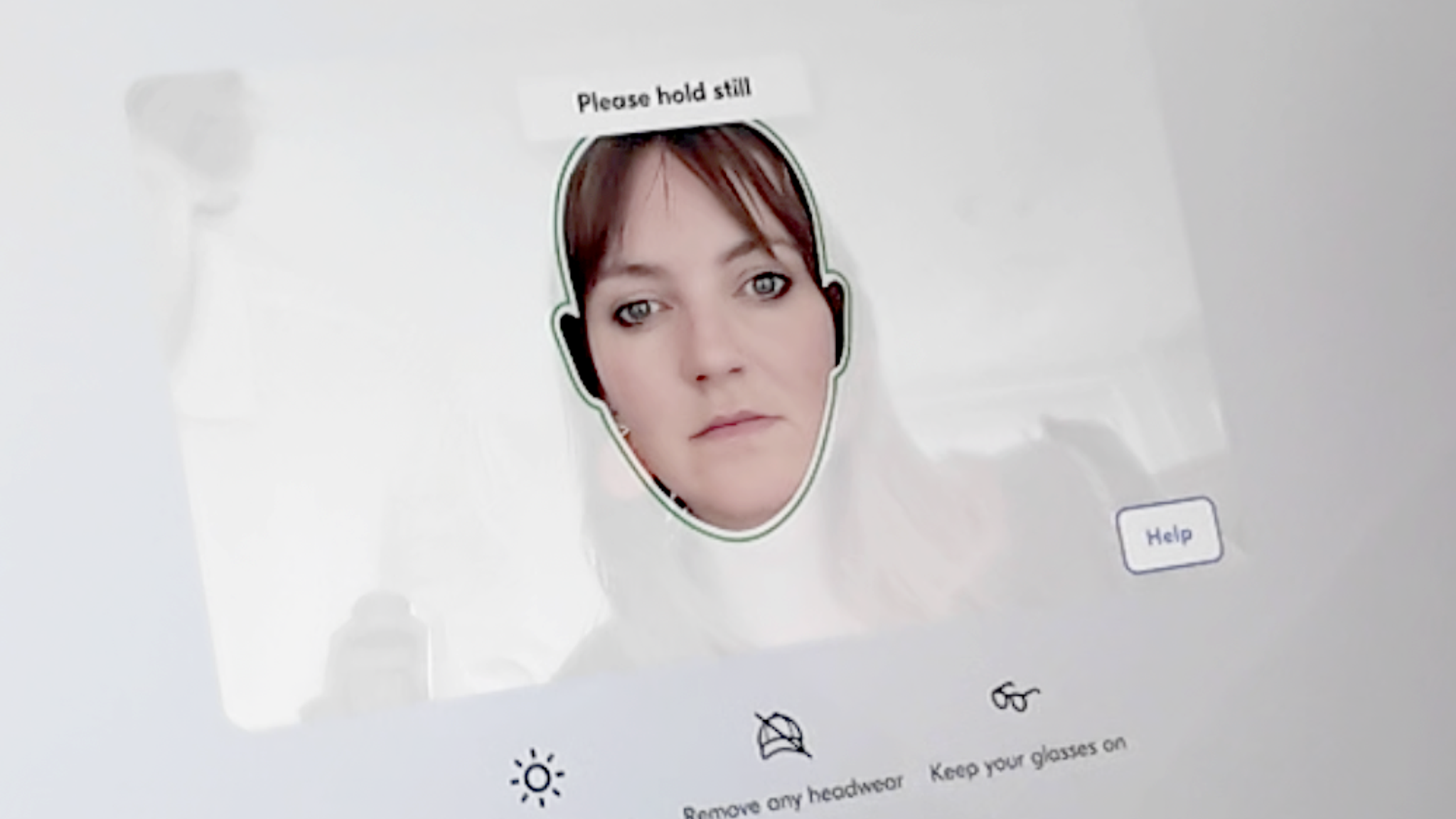
New internet rules come into force this week. Here's what will change
Starting Friday, UK websites with adult content must implement strong age checks, simple tick boxes no longer suffice. Users may need to verify age via credit cards, ID, or AI facial age estimation. Social media platforms must also ensure harmful content isn’t shown to young users and enforce their own content rules. Ofcom can fine violators up to £18M or 10% of revenue. The new rules aim to better protect children online and signal a wider societal shift in internet safety norms.

Life without screens: this camp is a teen’s worst nightmare
With teens spending summer glued to screens, pricey “digital detox” camps (around \$2,000/week) are offering a tech-free reset. Campers, mostly 13–17-year-olds addicted to gaming or social media, give up phones cold turkey, follow strict schedules, and attend therapy, outdoor activities, and financial literacy classes. Many resist at first, some even run away, but over time, they adjust. A few return as mentors, hoping to help others break free from tech dependence.

Facebook deletes millions of accounts in ‘heartbreaking’ purge
Facebook has deleted over 10 million accounts in 2025 to fight spam and boost original content, removing about 1 million accounts monthly. Meta says the purge targets unoriginal, spammy posts, but some users claim their real accounts were wrongly flagged, blaming flawed AI systems. The “Meta ban wave” has also affected Instagram. Users can appeal within 180 days. The move follows similar cleanups by other tech giants, and echoes past proposals from Mark Zuckerberg to reset the platform entirely.

Chief executive of Astronomer Andy Byron resigns after Coldplay concert video
Andy Byron, CEO of tech firm Astronomer, has resigned after a viral video showed two senior staff embracing at a Coldplay concert. The clip, which sparked online speculation and millions of views, led to a formal investigation. While the company didn’t confirm Byron was in the video, he was previously placed on leave. Co-founder Pete DeJoy is now interim CEO as a search begins. Astronomer reaffirmed its commitment to leadership accountability and company values.

Source: interestingengineering
Why is the world’s most powerful quantum computer being built in Denmark?
Denmark and the Nordics risk falling behind in quantum tech due to lack of access to advanced Level 2 systems. To change that, EIFO and the Novo Nordisk Foundation are investing €80M in QuNorth, a new project to build Magne, the world’s most powerful commercial quantum computer. Built by Atom Computing and integrated with Microsoft’s Azure, Magne will launch in 2027 with 50 logical qubits. The project aims to boost regional research, business innovation, and global quantum leadership.

Smoking avatars and online games: how big tobacco targets young people in the metaverse
Tobacco and alcohol companies are using unregulated digital spaces like the metaverse to target young people, bypassing traditional advertising bans. A report from Vital Strategies’ Canary project highlights how brands are using NFTs, virtual events, and games to normalize smoking and vaping among teens. With over half of metaverse users under 13, experts warn of growing influence in these immersive platforms. Regulators are struggling to keep up as digital marketing reshapes how harmful products are promoted worldwide.