
undefined 7, 2025
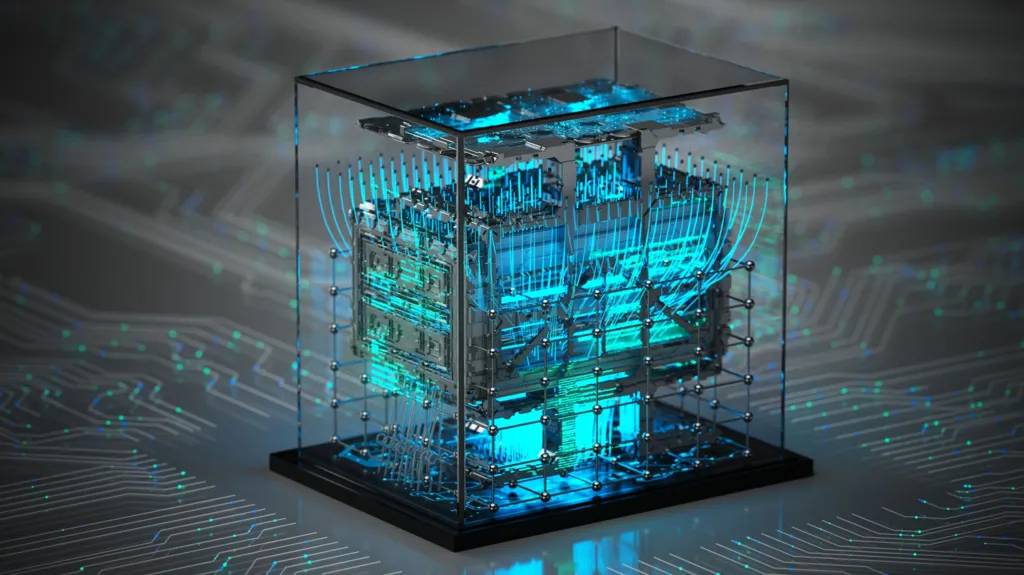
Physics Nobel awarded to three scientists for work on quantum computing
The 2025 Nobel Prize in Physics was awarded to John Clarke, Michel H. Devoret, and John M. Martinis for groundbreaking work on quantum mechanics that underpins modern technology and quantum computing. Their 1980s experiments showed macroscopic quantum tunnelling and energy quantisation in circuits, laying the foundation for superconducting qubits. The three professors, from UC Berkeley, Yale, and UC Santa Barbara, will share 11 million kronor (£872,000).

Source: interestingengineering
Stone tools uncover 140,000-year-old human history in the Mongolian Gobi
A new study in PLOS One reveals that ancient humans lived in Mongolia’s Gobi Desert between 140,000–8,000 years ago, when the region was wetter. At the Luulityn Toirom Paleolake, researchers found 2,726 stone tools, showing early humans adapted to changing climates, sourced materials from afar, and used complex techniques. Using geoarchaeology and luminescence dating, the team traced human activity layers, offering new insight into prehistoric mobility, toolmaking, and survival strategies.
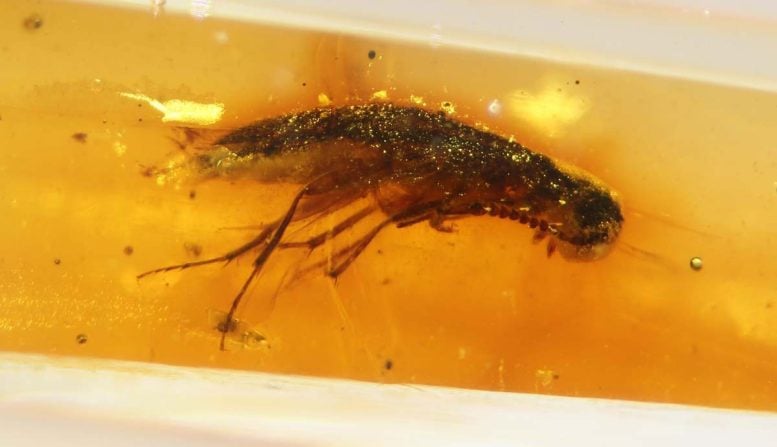
Frozen in time: 112-million-year-old insects found in Ecuadorian amber
Amber discovered in Ecuador has revealed 112-million-year-old insects and plants, offering a rare view of Gondwana’s ancient forests. Reported in Communications Earth & Environment, this is the first South American amber with preserved insects. Found in the Hollín Formation, the amber contained 21 bio-inclusions, flies, beetles, wasps, spider web, and plant fossils. The find shows a humid, resin-rich forest environment and fills a major gap in understanding Southern Hemisphere ecosystems during the Cretaceous.

Instagram will award top creators with a gold ring. But no cash
Instagram has launched a new “Rings” award, giving 25 creators a gold ring and profile badge, but no cash. Winners, chosen by a panel including Adam Mosseri, Spike Lee, Marc Jacobs, and Marques Brownlee, can also customize their profiles. The move follows the end of Meta’s creator bonuses and a 52% drop in brand deals, raising questions about support for creators. While rivals like YouTube share ad revenue, Instagram’s award is seen as symbolic recognition in a tougher creator economy.

AI generated its first working genome: a tiny bacteria killer
AI has designed entire working genomes for the first time. Two models, Evo 1 and Evo 2, created blueprints for 16 bacteriophages that successfully attacked E. coli in the lab, researchers reported September 17 on bioRxiv. Trained on billions of genetic sequences, the AI generated 300 genomes, 16 of which produced viable viruses—some outperforming natural ones. The technique could speed phage therapy development against antibiotic-resistant bacteria, though experts stress strict oversight. The work is not yet peer-reviewed.

Source: interestingengineering
One ring to rule your screen: ‘picoRing’ wireless mouse lasts 30 days per charge
Researchers at the University of Tokyo have developed "picoRing", a 5 g wireless mouse that lasts 30 days per charge. Designed for AR control, it uses a semi-passive inductive telemetry system, consuming just 30–500 µW, hundreds of times less than typical devices. A wristband relay boosts signal range while keeping the ring’s power use low. Though still a prototype, picoRing could transform AR interaction and enable long-lasting wearables, though it currently supports only simple gestures and needs further refinement.
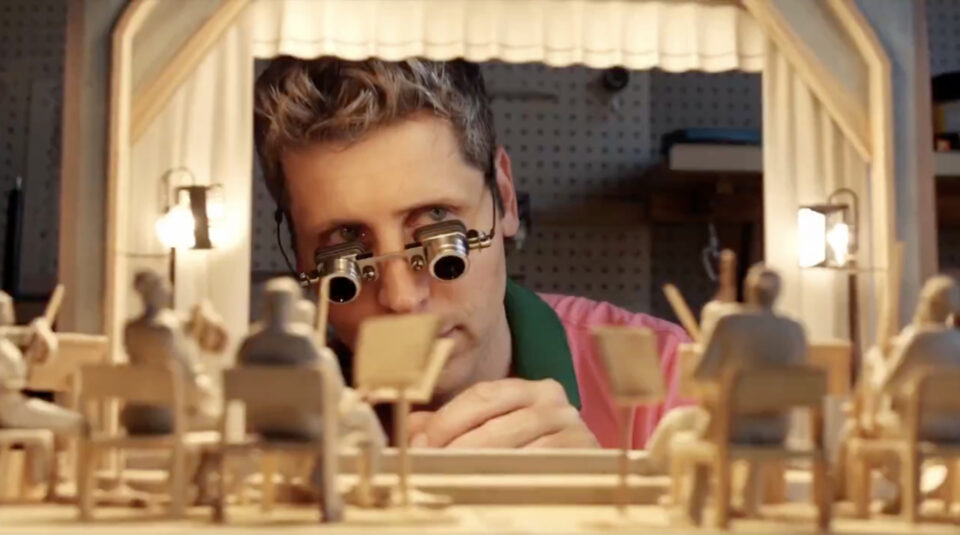
OpenAI officially launches video generator Sora 2, now with social feed
OpenAI has launched Sora 2, a major update to its audio and video generation model, along with a new social app for sharing AI-generated videos. Sora 2 focuses on “world simulation,” improving physics realism, instruction-following, and multi-shot generation. The Sora app features a vertical feed of AI videos and a “cameo” tool that lets users insert and control their likeness. OpenAI says it’s prioritizing safety, limiting teen use, and not monetizing yet, though paid generation and ads may follow. The app is invite-only on iOS in the US and Canada.
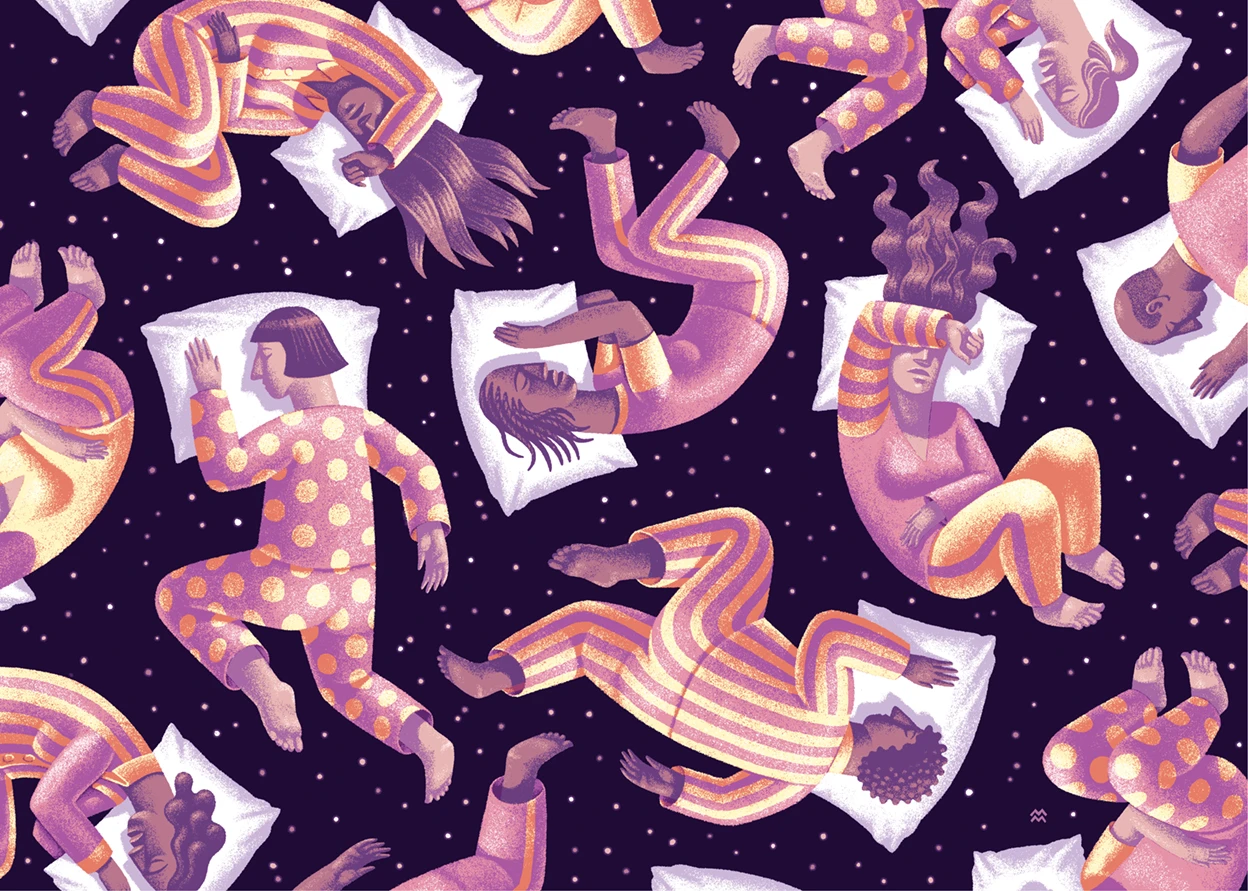
How to get the best night’s sleep: what the science says
Scientists emphasize that modern sleep problems stem largely from disrupted circadian rhythms, the body’s internal clocks regulating sleep, digestion, and other physiological processes. Key strategies for better sleep include: maximizing daytime light exposure and minimizing nighttime light to strengthen rhythms; keeping consistent sleep schedules; and consolidating meals earlier in the day, avoiding late-night eating. Poor light and eating habits can impair sleep quality, cognition, and long-term health, while bright days, dark nights, and nutrient-rich diets support restorative sleep.
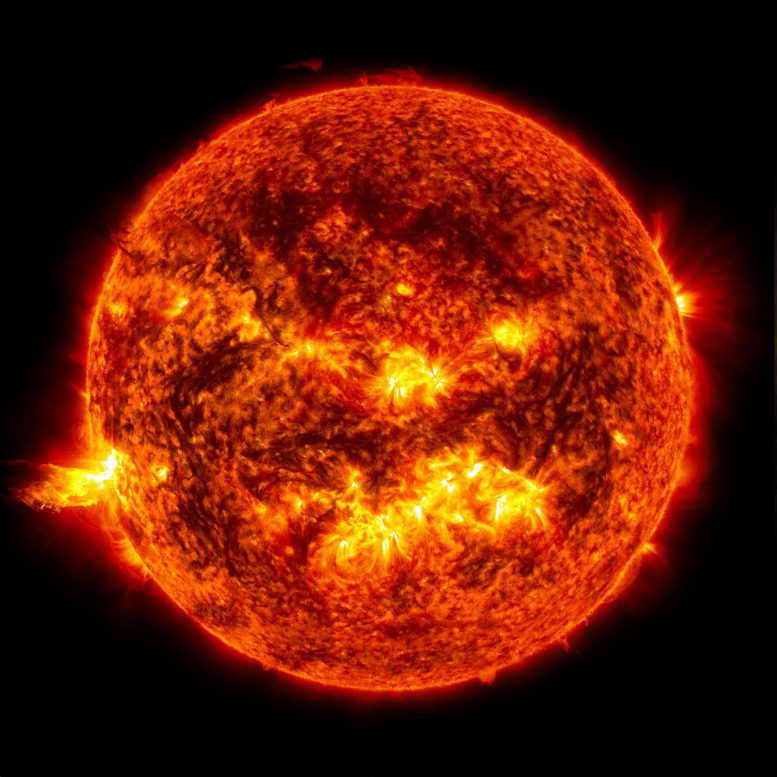
It rains on the Sun, and scientists finally know why
Researchers at the University of Hawai‘i have explained why it “rains” on the Sun. Solar rain, cool, dense plasma falling through the Sun’s hot corona, occurs rapidly during flares. Luke Benavitz and Jeffrey Reep found that changing elemental abundances, like iron, drive this process, updating models that previously assumed constant composition. The discovery improves understanding of coronal heating and flare dynamics, helping refine predictions of solar behavior and space weather.
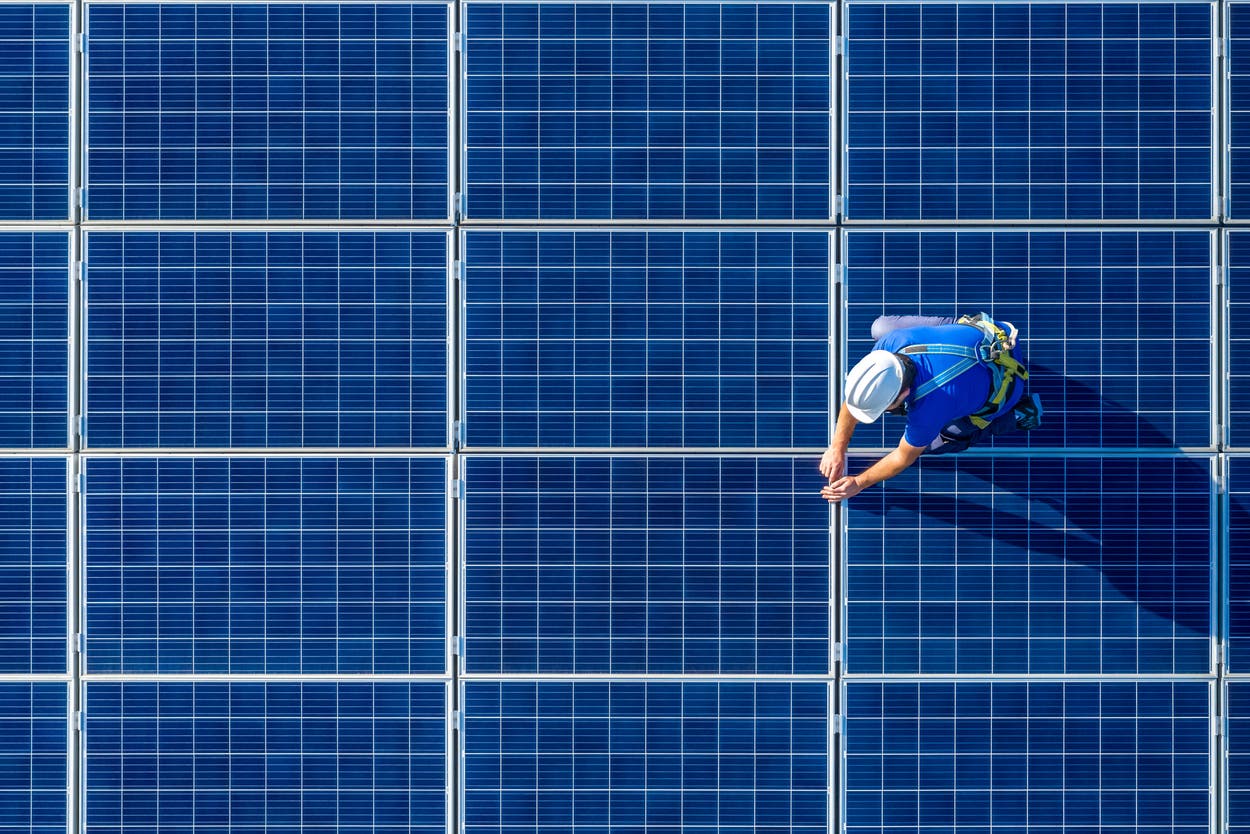
Solar panel efficiency record broken in big boost for renewable energy
Scientists at the University of Sydney set a new efficiency record for perovskite solar panels, achieving 27.06% with a triple-junction perovskite-perovskite-silicon tandem cell. By reengineering the material and junction design, they improved both performance and durability, with the cell retaining 95% efficiency after 400+ hours of continuous light. The advance brings perovskite technology closer to commercial use, promising cheaper, more sustainable solar energy. Results published in Nature Nanotechnology.
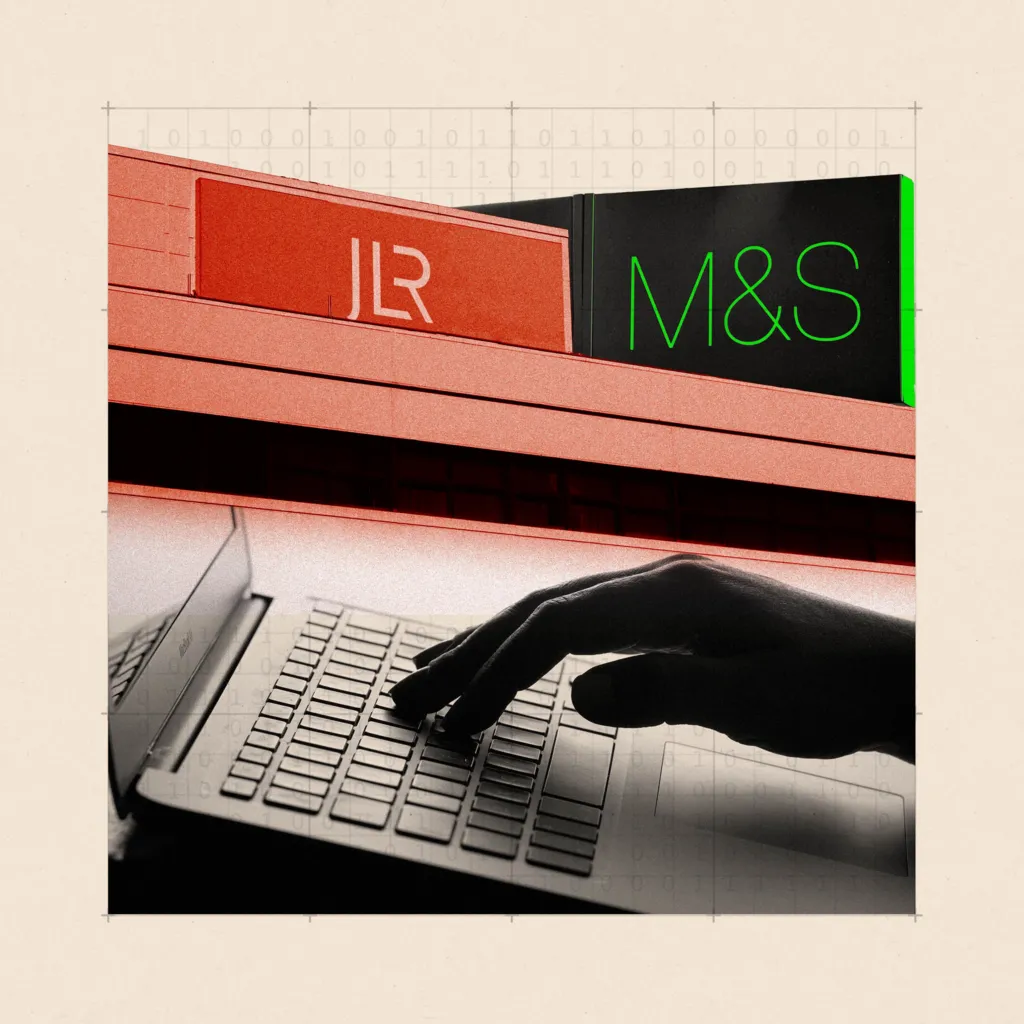
The true cost of cyber attacks - and the business weak spots that allow them to happen
Jaguar Land Rover (JLR) and other UK businesses have faced major cyber attacks, causing production halts and widespread financial losses, JLR alone lost over a month of output, estimated at £50m per week. Attacks exploit just-in-time supply chains, affecting suppliers and risking bankruptcies. Retailers like Marks & Spencer and Co-op have also been targeted, with ransomware disrupting IT systems and data security. Experts warn the surge reflects years of inaction on cybersecurity and stress that critical infrastructure, financial services, or energy networks remain vulnerable to cascading economic damage.