
undefined 28, 2025

Amazon is cutting 14,000 corporate jobs
Amazon plans to cut about 14,000 corporate jobs, fewer than the previously reported 30,000, as part of cost-cutting and efficiency efforts. Employees will have 90 days to seek internal roles. Leadership cites AI-driven innovation and leaner organization as reasons, while still planning strategic hiring in 2026. Past layoffs totaled 27,000. Automation, AI, and robotics are expected to drive further workforce reductions.

Elon Musk launches encyclopedia ‘fact-checked’ by AI
Elon Musk launched Grokipedia, an AI-driven encyclopedia “fact-checked” by his chatbot Grok, designed to reflect his rightwing views. Unlike Wikipedia, it has no human authors and draws from conservative talking points, sometimes spreading inaccuracies, such as downplaying Trump’s role in January 6. Critics note its biased content and false claims. Musk aims to challenge mainstream media narratives and Wikipedia’s approach.
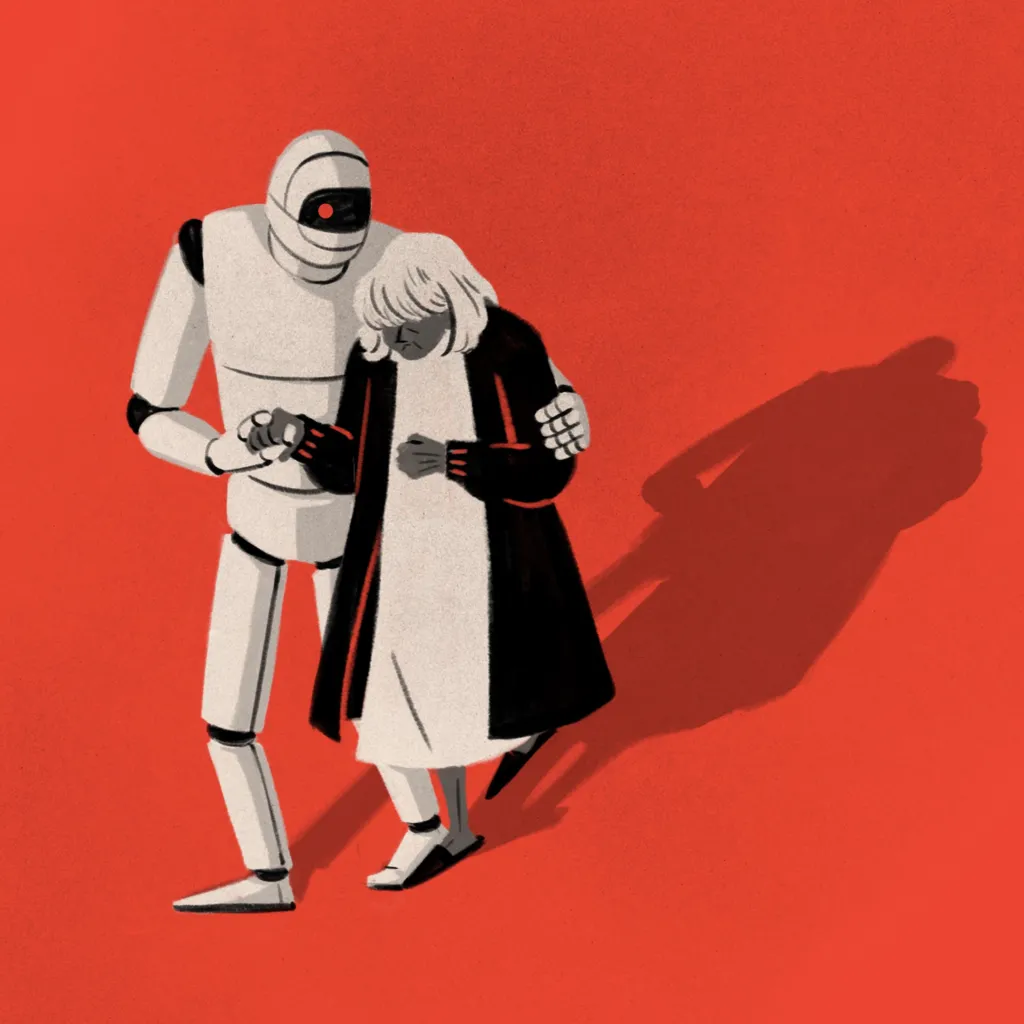
These robots can clean, exercise - and care for you in old age. Would you trust them to?
In London, Shadow Robot is developing highly dextrous robotic hands and care robots to help address the UK’s social care crisis. Trials in Japan showed mixed results, with robots like HUG, Paro, and Pepper causing practical issues for staff. Researchers aim to improve design, dexterity, and usability, including artificial muscles for delicate tasks. Robots could support aging populations, but concerns remain about replacing human carers and the need for careful regulation.

Plants have a secret language that scientists are only now starting to decipher
Once thought passive, plant cell walls are now recognized as active, dynamic structures that communicate with the cell and environment. Composed of cellulose, pectin, and other polysaccharides, they sense stress, trigger immune responses, and control growth. Pectin’s methylation regulates wall stiffness, shaping cells like interlocking pavement cells via receptors such as FERONIA. Understanding these signals could improve crops, engineer hybrids, and manipulate plant form and resilience.

Source: interestingengineering
Fungi could replace silicon: Study shows mushrooms can store digital data
Researchers at Ohio State University are exploring mushrooms as eco-friendly, low-cost computing components. Shiitake and button mushrooms can act as organic memristors, devices that “remember” past electrical states, showing reliable memory effects like semiconductor chips. Fungal electronics are biodegradable, energy-efficient, and scalable, potentially powering brain-inspired computing, edge devices, or aerospace systems, though further miniaturization is needed for practical use.
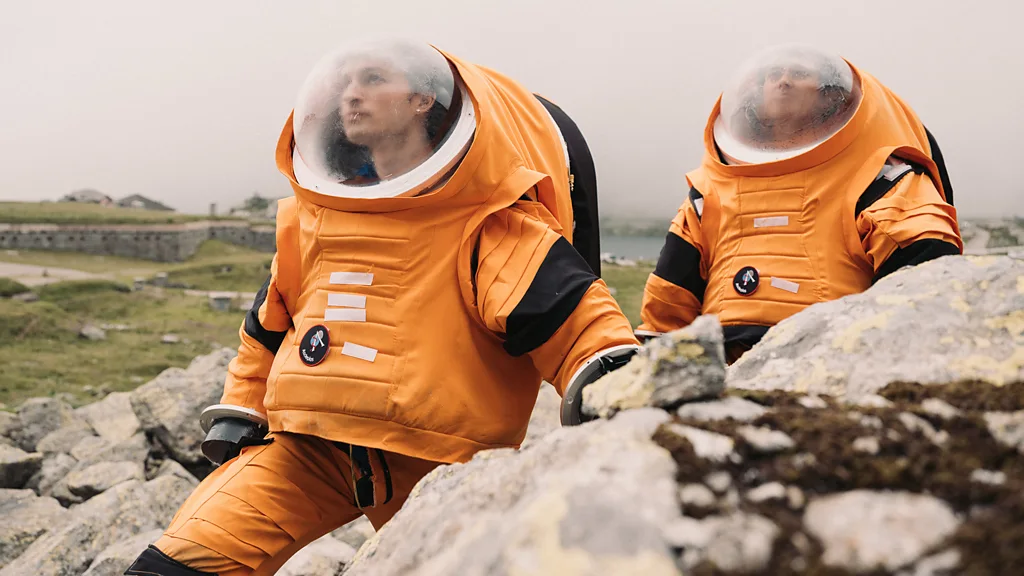
The school for astronauts hidden inside a Swiss mountain
Students in Switzerland spent two weeks simulating life on a lunar base with Asclepios, the world’s largest student-led space initiative. Isolated in the Gotthard fortress, they lived in a mock Moon base, conducted science experiments, and tested circadian rhythms in darkness. The program provides hands-on astronaut training, extreme environment exercises, and mission simulations, helping students gain experience for future space careers while exploring how space technologies can benefit Earth.

Billions of years ago, fire forged the continents that made life possible
Scientists from Penn State and Columbia University found that Earth’s continents gained stability from ultra-high temperatures, above 900 °C, in the lower crust. Heat caused radioactive elements like uranium and thorium to migrate upward, cooling and solidifying the crust. This process, akin to forging steel, also transported rare earth elements. Understanding these mechanisms helps explain continental formation, guides mineral exploration, and may offer insights into habitable planets beyond our solar system.

Source: interestingengineering
When loyalty fades: Inside the secret uprisings against honey bee queens
A honey bee colony relies on its queen, but viral infections can damage her ovaries and reduce pheromones that signal her fitness. Workers detect this decline and initiate supersedure, raising a new queen. UBC researchers found that synthetic pheromones can stabilize hives, while controlling varroa mites, vectors for these viruses, can help prevent premature queen replacement, improving colony health and productivity for beekeepers.

Weird symmetry between Earth's Northern and Southern Hemispheres appears to be breaking
New NASA data show Earth’s Northern Hemisphere is darkening faster than the Southern Hemisphere, absorbing more sunlight. Analysis of 24 years of CERES satellite data attributes this to melting snow and ice, reduced air pollution, and rising water vapor. This energy imbalance could impact climate, weather, and rainfall patterns. Surprisingly, cloud cover hasn’t adjusted to compensate, highlighting ongoing challenges in understanding aerosol, cloud interactions and Earth’s changing energy balance.

Source: interestingengineering
Unifying physics just got harder: Study challenges fundamental test of quantum gravity
A new study from Royal Holloway, University of London, suggests that even classical gravity could create quantum entanglement between objects, challenging the long-held idea that observing such entanglement would prove gravity is quantum. Using quantum field theory for matter with classical gravity, researchers found that quantum communication can emerge without quantized gravity. This means future experiments testing quantum gravity may yield ambiguous results, though subtle differences could still reveal which theory is correct.