
undefined 11, 2025

Have we failed nature?
After 30 years of Conference of the Parties talks, worsening climate metrics raise doubts about their effectiveness. Around 40,000 people will attend COP30 in Belém, Brazil, returning to the country that hosted the 1992 Rio Earth Summit, where world leaders, including George Bush, signed pledges for sustainable growth. That summit birthed the UNFCCC and hopes for real change, but after 29 COPs, ecosystems are collapsing, extreme weather is intensifying, and the natural world Rio promised to safeguard continues to decline.
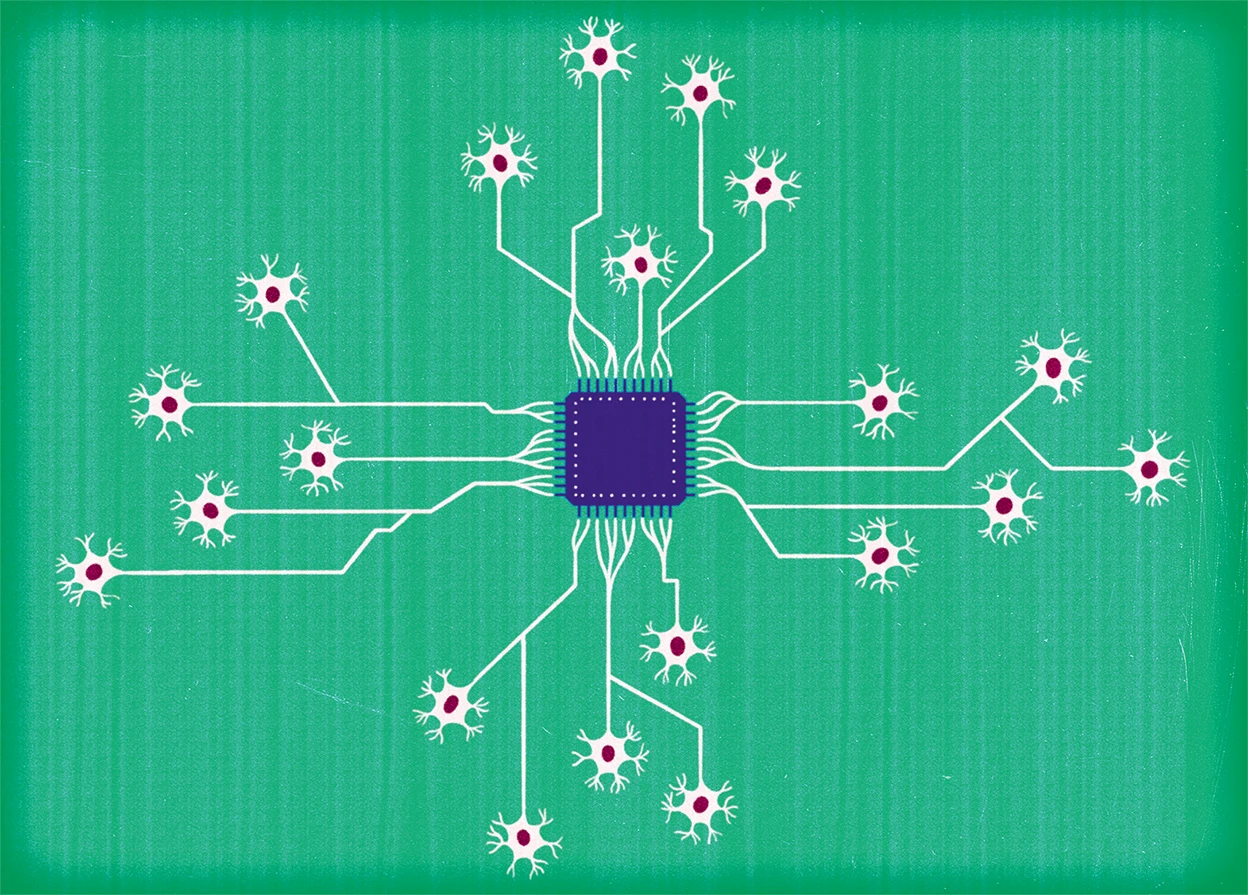
The computers that run on human brain cells
In labs worldwide, researchers are developing biocomputers, tiny clusters of living human brain cells that process information via electrical signals. These “wetware” systems aim to match the power and efficiency of supercomputers while consuming minimal energy. Though still primitive, organoids have shown they can recognize patterns, such as Braille letters. Advocates see vast potential, but skeptics warn against hype and ethical risks if lab-grown neurons are seen as conscious.

How AI and social media contribute to "brain rot"
Studies show heavy reliance on AI tools and social media may harm learning and memory. In experiments, people using AI-generated summaries or ChatGPT produced generic writing, showed low brain activity, and couldn’t recall their own words. Researchers warn this “brain rot” mirrors declining reading scores linked to screen use. Experts suggest limiting social media, starting work without AI, and using chatbots later for refinement to keep thinking active and memory engaged.
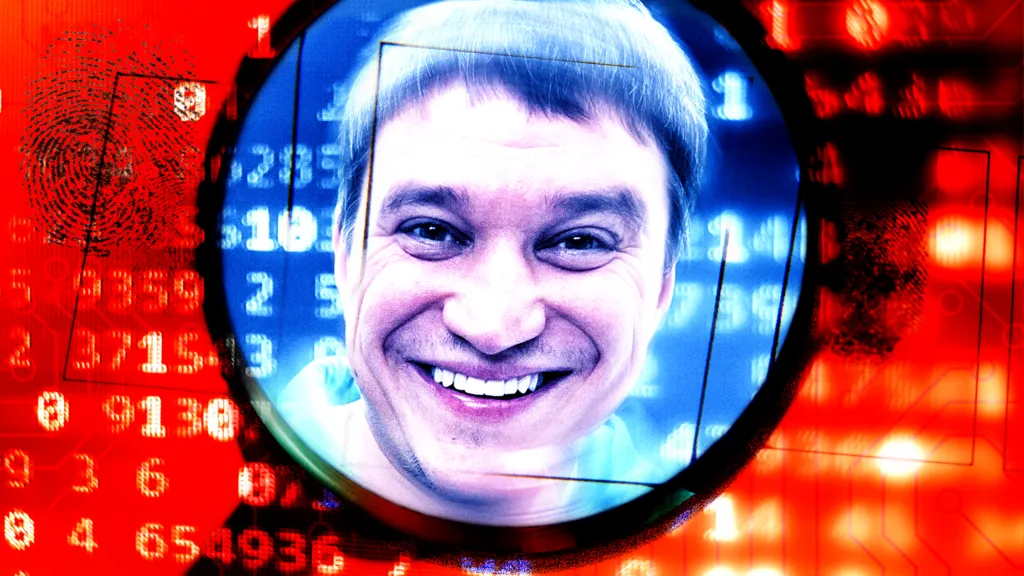
A jailed hacking kingpin reveals all about the gang that left a trail of destruction
Vyacheslav Penchukov, aka “Tank,” once a top cybercriminal and DJ from Ukraine, led major hacking gangs including Jabber Zeus and IcedID, stealing millions through bank theft and ransomware. After years evading capture, he was arrested in Switzerland in 2022 following a decade on the FBI’s Most Wanted list. Now in a Colorado prison, he reflects on his past, claiming charm and connections kept him free for years. Convicted of massive cyber-fraud, he owes $54M in restitution.

Why Grand Theft Auto VI has been delayed again and how it'll affect other games
Grand Theft Auto VI has been delayed again, now set for release in **November 2026**. Rockstar Games says it needs more time to deliver the expected “level of polish.” Experts say the delay fits Rockstar’s perfectionist reputation and could ease worker pressure after past “crunch” scandals. Despite layoffs and union tensions, analysts doubt internal issues caused the delay. With a rumored £1bn budget and huge expectations, GTA VI’s shift reshapes the entire gaming release calendar.

Source: interestingengineering
400-year-old Swedish town unearthed, excavation reveals stunning tollhouse, defenses
Archaeologists in Sweden uncovered a long-buried section of Nya Lödöse, a 15th-17th century precursor to Gothenburg, revealing its southern gate, fortifications, tollhouse, and main street. The dig exposed traces of daily life, gardens, homes, tools, and trade goods, showing a mix of urban and agricultural life. Founded in 1473 and abandoned in 1624, the town’s remains offer rare insight into early Swedish city planning, defense, and social structure, including signs of notable female agency.

Data centers meet resistance over environmental concerns as AI boom spreads in Latin America
As massive AI data centers spread into some of the world’s driest regions, communities in Latin America are demanding transparency from secretive governments courting billions in tech investment. Researcher Paz Peña says countries like Chile and Brazil are easing regulations and hiding environmental data under “corporate secrecy.” Activists, invoking the Escazú Agreement, are taking governments to court for information on water and energy use, arguing citizens deserve to know the true costs of Big Tech’s expansion.

Source: interestingengineering
In a first, scientists prove quantum beams could be sent from Earth to orbit
Scientists at the University of Technology Sydney have shown that quantum light beams can be sent from Earth to space, not just from satellites down to Earth. This “uplink” breakthrough could enable flexible, global quantum communication networks. By modeling real-world challenges like atmospheric interference and moonlight, researchers proved the system’s feasibility. The approach could make quantum satellites smaller, cheaper, and vital for a future quantum internet connecting computers worldwide.
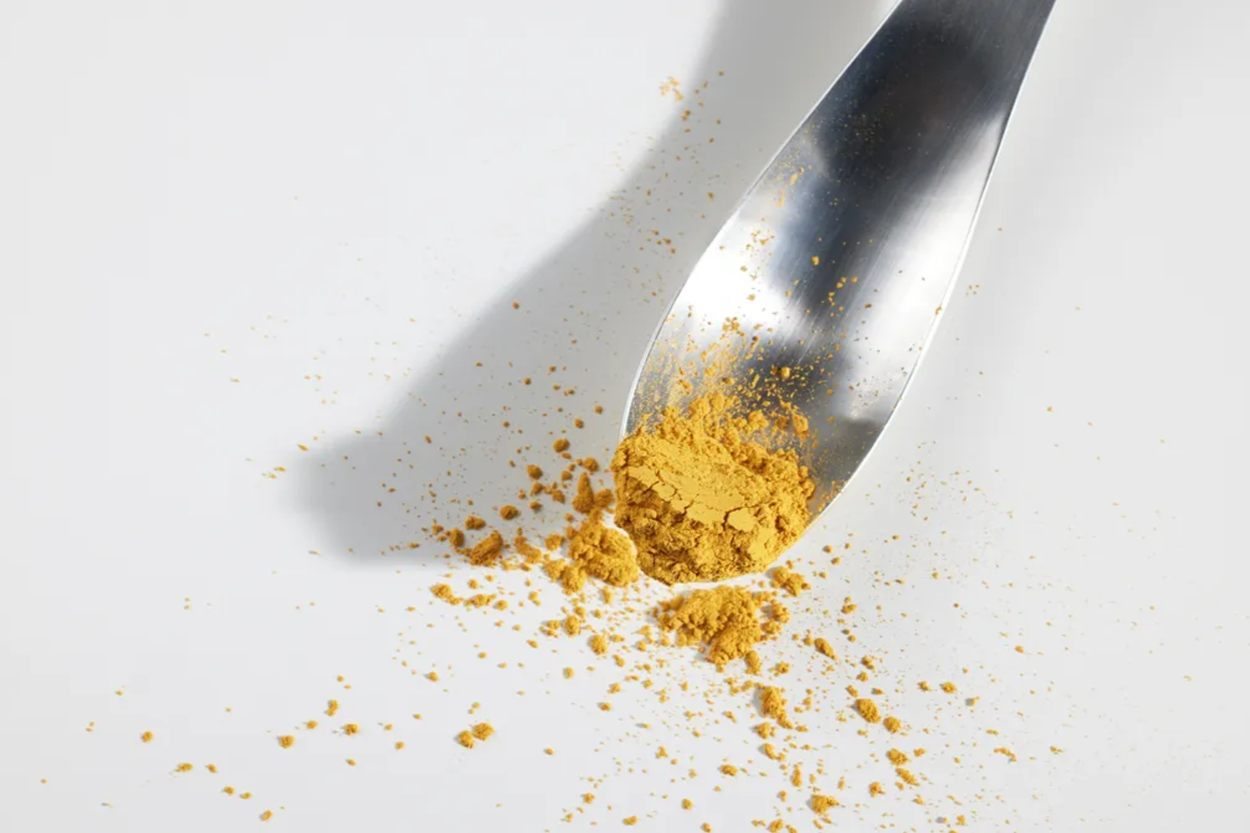
Space food made from astronaut pee to be tested aboard the ISS
ESA plans to test producing Solein, a protein powder made from air and urine, aboard the ISS. Developed by Solar Foods, Solein uses microbes and urea to create protein, potentially supporting long-duration Moon or Mars missions. The HOBI-WAN project will first develop the technology on Earth, then test it in microgravity, aiming for Solein to become astronauts’ main protein source by 2035, enhancing autonomy and sustainability in space.

Seated salsa: the miracle movement to help ease back pain
Lower back pain affects millions worldwide, often in the bottom two vertebrae. A simple seated exercise called “seated salsa” can help: sitting upright, alternate pushing one knee forward and the other back, rolling the pelvis side to side. A pilot study found just one minute every 30 minutes relaxes tight muscles and eases pain. It’s ideal for office workers, older adults, or anyone with limited mobility, promoting movement and spinal health without leaving a chair.