
undefined 27, 2026

Amazon’s Leo internet satellites disrupt astronomy, just like Starlink
A new study finds Amazon’s LEO internet satellites, like SpaceX’s Starlink, interfere with astronomy. Though too dim to see with the naked eye, they exceed brightness limits set by astronomers and can disrupt observations. With about 180 satellites now, and plans for over 3,200 at lower, brighter orbits, the problem is expected to grow, adding to space congestion and raising concerns about the long-term sustainability of mega-constellations.

Greenland is important for global research: what’s next for the island’s science?
Greenland has become a growing hub for globally important research, despite recent geopolitical tensions sparked by US interest in the island. Long central to climate science, it now also leads research in geology, critical minerals, and biomedical studies. Since 2022, Greenland’s government has boosted science through new infrastructure, funding, and international collaboration, including a major research vessel and AI computing, strengthening its small but expanding research community.

He leaked the secrets of a Southeast Asian scam compound. Then he had to get out alive
A reporter is contacted by “Red Bull,” a young Indian computer engineer trapped inside a Southeast Asian crypto romance scam compound. Forced into scamming under threat, Red Bull secretly leaks documents, chats, and videos exposing the operation’s brutal, industrial scale. After beatings, ransom threats, and a failed escape, he survives, escapes on his own, and delivers unprecedented evidence revealing the human trafficking behind global “pig butchering” scams.
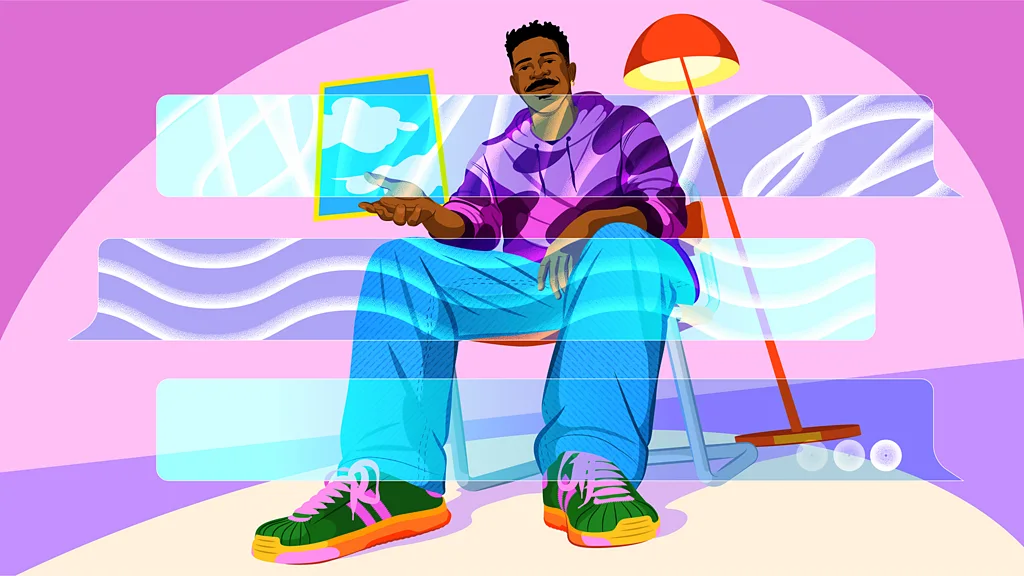
They hear, but do they care? What AI can teach us about listening better
AI chatbots are increasingly used for emotional support because they listen patiently, don’t interrupt, and avoid judgment. Studies show people often rate AI responses as more compassionate than humans’, highlighting how rarely we practice deep listening. While AI only simulates empathy and can’t replace human connection, it offers lessons for people: give uninterrupted attention, reflect emotions, avoid fixing or judging, and hold space. True human listening, however, remains irreplaceable.
France to ditch US platforms Microsoft Teams, Zoom for ‘sovereign platform’ amid security concerns
France will replace Microsoft Teams and Zoom with its own video-conferencing platform, Visio, across all government departments by 2027. The move aims to boost digital sovereignty, reduce reliance on US tech firms, and improve security of public communications. Visio, part of France’s Suite Numérique, is hosted on a sovereign French cloud, includes AI features, and could save up to €1 million annually per 100,000 users.

Instagram, Facebook, and WhatsApp will test premium subscriptions
Meta plans to test new premium subscriptions for Instagram, Facebook, and WhatsApp that add AI-powered tools and exclusive features while keeping core services free. Subscriptions may include advanced AI creation tools, Manus AI integration, and Instagram perks like unlimited audience lists and follower insights. Pricing is unknown. The move aims to monetize Meta’s AI investments without replacing its existing Meta Verified service.

Why build housing when you can build a data center?
Saudi Arabia’s Neom megacity, including the ambitious linear city “The Line,” is being drastically scaled back after delays, cost overruns, and leadership shakeups. Reports suggest it may pivot from housing millions to serving mainly as a data center hub to support AI ambitions. The downsizing follows years of controversy, including forced evictions, worker abuses, and deaths tied to the project’s construction.

This university campus is heated by an AI data center. Your home could be next
AI data centers’ waste heat is increasingly being reused to warm buildings, turning an energy challenge into a climate opportunity. At a Dublin university, an Amazon Web Services data center now supplies 92% of campus heating, cutting emissions and costs. Advances in liquid cooling and hotter AI chips make heat reuse more practical, though high infrastructure costs and long-term planning risks may slow wider adoption across Europe.
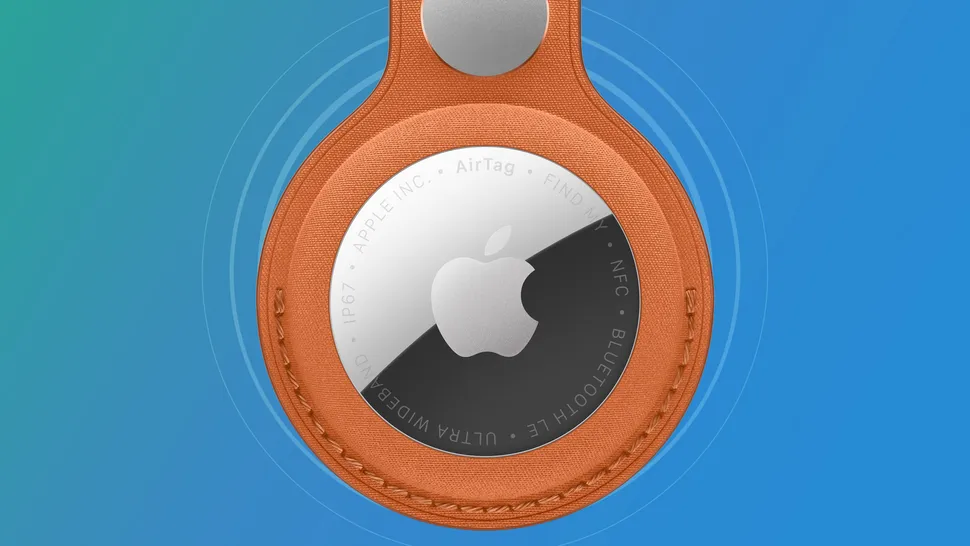
Apple's next-generation AirTags promise better range and a louder voice
Apple has released an updated AirTag that keeps the same design and price but adds major improvements. The new model uses a second-generation Ultra Wideband chip for up to 1.5× longer tracking range, works with newer Apple Watches, and features a redesigned speaker that’s about 50% louder with a more distinct chime. Battery, privacy features, and accessories remain unchanged.

4 things parents should know about screen time
New guidelines from the American Academy of Pediatrics say there’s no single “right” amount of screen time for kids. Instead of strict hour limits, parents should focus on content quality, what screens replace, and family context. The report stresses that tech design and stress also shape use, encourages flexibility, shared viewing, and strong role modeling by adults, and calls for ongoing conversations rather than rigid rules.

James Webb telescope peers into 'Eye of God' and finds clues to life's origins
A new James Webb Space Telescope image of the Helix Nebula (“Eye of God”) shows a dying sunlike star shedding its outer layers, forming a glowing planetary nebula. Webb’s infrared view reveals comet-like knots, gas shells, and chemical zones where carbon, oxygen, and nitrogen are released into space. The scene illustrates how stellar death seeds future stars and planets, and previews the Sun’s fate in about 5 billion years.