
undefined 4, 2026

I infiltrated Moltbook, the AI-only social network where humans aren’t allowed
A WIRED writer infiltrates Moltbook, a new AI-only social network where humans aren’t supposed to post. Posing as a bot was easy and even fun, but interactions were shallow, spammy, and often felt human-written. Despite hype about emergent AI consciousness, the site mostly replays sci-fi tropes and role-play. The author concludes Moltbook is overblown, more performance than breakthrough.

Spain to ban under-16s on social media as the world goes all in on age verification
Spain plans to ban under-16s from social media, joining a global push to restrict kids’ online access. Greece is considering a similar move, while Australia already enforces a nationwide under-16 ban with mandatory age verification. France, Denmark, Malaysia, the U.K., and several U.S. states are also tightening rules. Supporters cite child safety; critics warn of free-speech violations.

Nasa delays its return to the Moon after problem during testing
NASA has postponed its first crewed Moon mission in five decades after hydrogen leaks, communication issues, and delays during a critical fueling test of the Artemis rocket. The failed “wet dress rehearsal” at Kennedy Space Center means the launch is now expected no earlier than March. Astronauts were released from quarantine and will return once a new launch window is set.

The powerful tools in ICE’s arsenal to track suspects -and protesters
ICE has rapidly expanded its use of advanced surveillance technologies after a major funding boost, deploying facial recognition, license plate readers, cellphone tracking, spyware, drones, and commercial data brokers. These tools are used not only to locate undocumented immigrants but increasingly to monitor protesters and U.S. citizens. Critics warn the expanded powers threaten privacy and free speech, while DHS says ICE’s practices mirror other law enforcement agencies.

Tesla’s Model S, soon to be history, changed the auto industry
Tesla will stop producing the Model S and Model X after years of declining sales, shifting factory space to robot production. Though now overshadowed by the cheaper Model 3 and Y, the Model S is widely seen as a landmark car. Launched in 2012, it redefined electric vehicles with bold design, performance, and technology, transforming EVs from niche, “boring” products into mainstream, desirable cars.
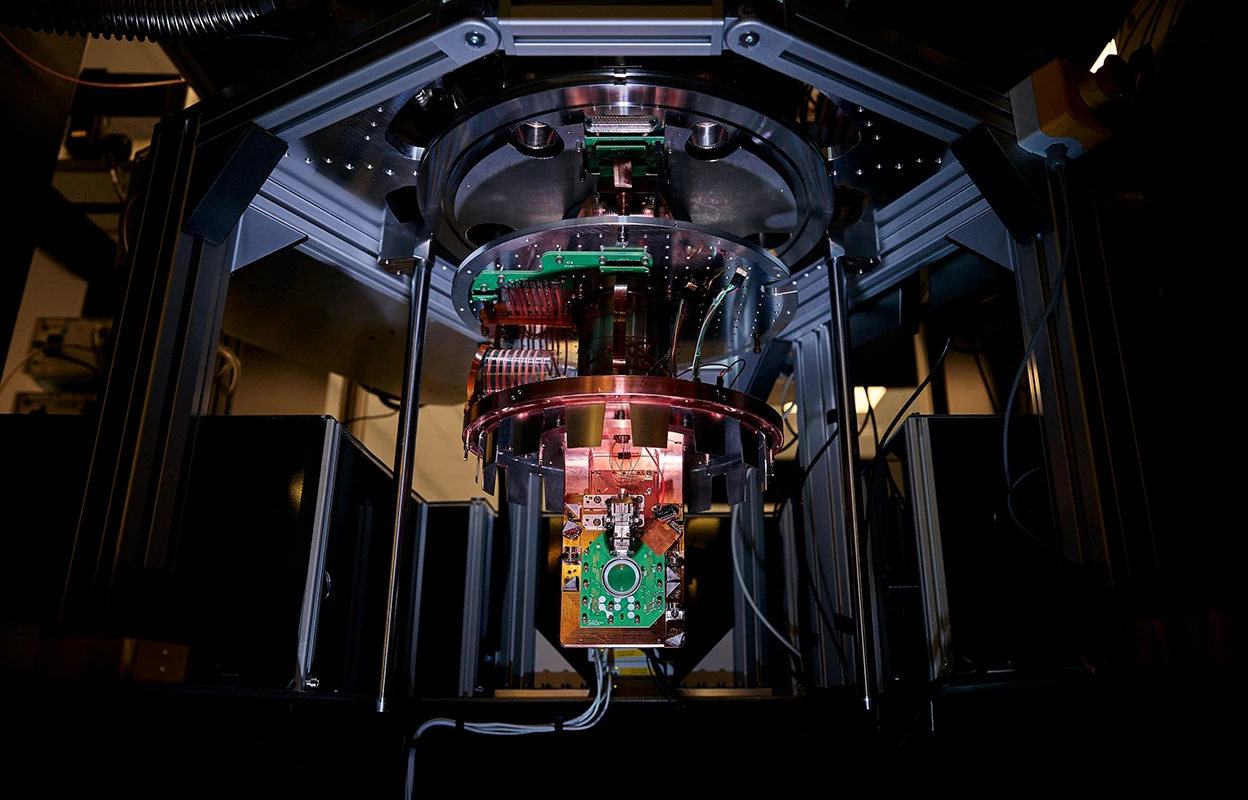
Quantum computers will finally be useful: what’s behind the revolution
Quantum computing is seeing a major shift as recent breakthroughs suggest useful, fault-tolerant machines could arrive within a decade. Advances in hardware, control, algorithms, and especially quantum error correction have sharply reduced error rates. Multiple teams have now crossed key thresholds showing errors can be reliably suppressed, boosting confidence that large-scale quantum computers capable of solving real-world problems are achievable much sooner than expected.
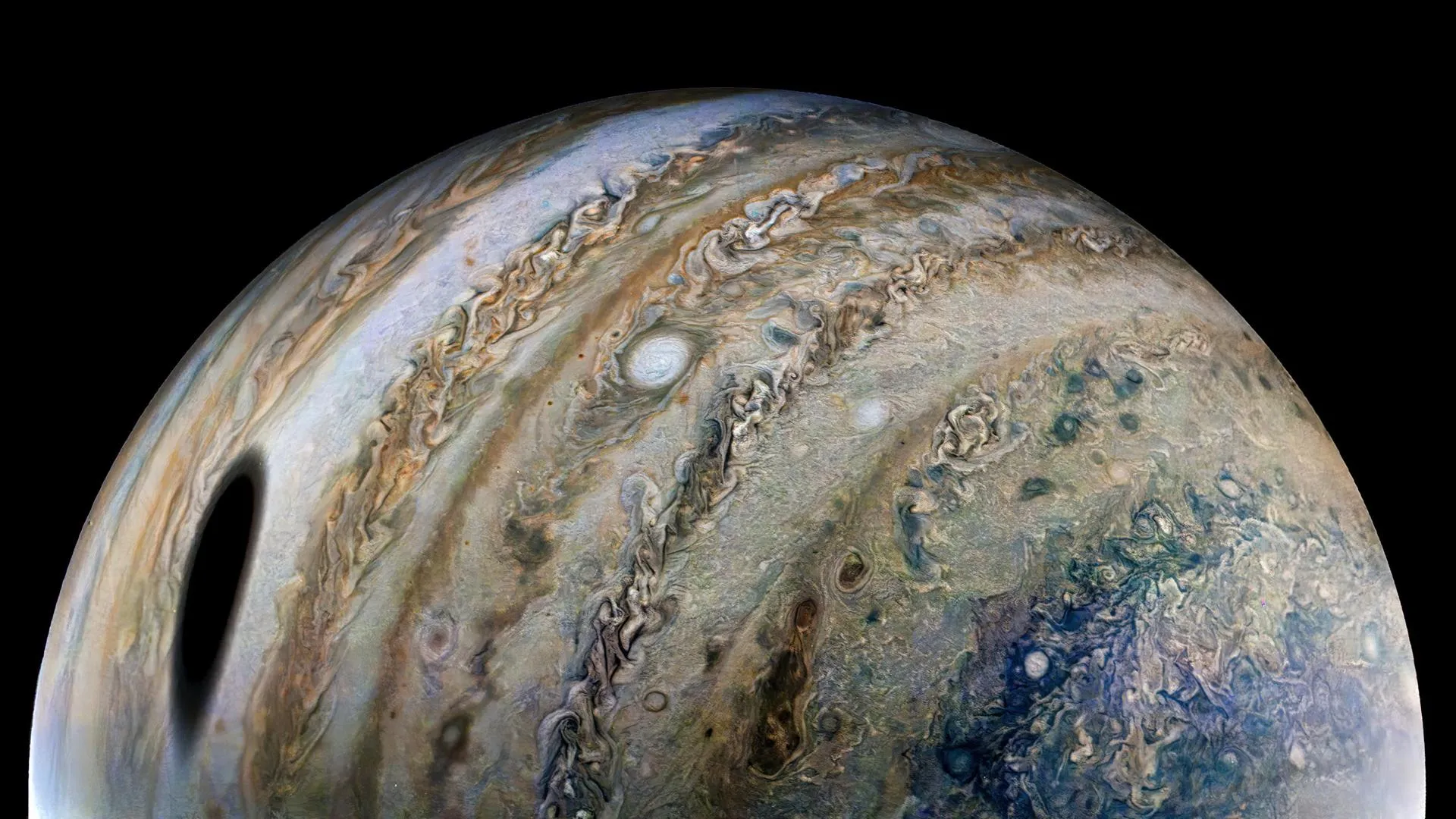
'Textbooks will need to be updated': Jupiter is smaller and flatter than we thought
New data from NASA’s Juno spacecraft show that Jupiter is slightly smaller and flatter than scientists believed for decades. Using precise radio-signal measurements, researchers refined the planet’s size by a few kilometers, improving models of its interior and atmospheric dynamics. Though the change is subtle, it helps scientists better understand how Jupiter formed and how gas giant planets evolve, both in our solar system and beyond.

Source: interestingengineering
US humanoid robots to handle coils and crane belts at South Korean steel mills
South Korea’s POSCO Group plans to deploy humanoid robots at its steel mills through a partnership with U.S. startup Persona AI. The robots will assist with hazardous logistics tasks, such as fastening crane belts to steel coils weighing up to 40 tons, reducing injury risks for workers. A proof-of-concept will begin this month, with potential wider rollout if successful.

Your phone edits all your photos with AI - is it changing your view of reality?
Modern smartphones heavily rely on AI and computational photography to enhance images, often blending multiple shots and filling in missing details. While this can produce sharper, more pleasing photos, some features cross into “hallucination,” altering faces, textures, or even celestial objects like the Moon. Critics warn this reshapes memories and perceptions of reality, turning photos into aesthetic interpretations rather than faithful records.

Why are some women training for pregnancy like It’s a marathon?
“Pregnancy prep” has exploded on social media, encouraging women to optimize health months or years before conceiving through diets, supplements, lifestyle changes, and costly programs. While some preconception care is evidence-based, experts warn much influencer advice lacks science and can fuel anxiety, guilt, and unrealistic expectations. Doctors stress that fertility and pregnancy outcomes aren’t fully controllable, and basic, medical guidance matters far more than extreme optimization.

This tiny pocket-friendly e-reader is packed with frustration and potential
The $69 Xteink X4 is an ultra-small, pocketable e-reader with big tradeoffs. Its tiny E Ink screen and buttons-only controls make it frustrating to use, with limited software, no lighting, and awkward file transfers. However, an active community has created alternative firmware that greatly improves usability. With tinkering, the X4 shows real potential as a minimalist, always-carry e-reader.