
undefined 3, 2026

Oh great, here comes 6G
6G is already being hyped at MWC 2026, though it’s still in a study phase with rollout planned for 2030. After 5G’s overpromises, experts warn of another hype cycle. Proposed features include built-in network sensing (raising privacy concerns), seamless satellite-cellular connectivity, and AI-native networks with computing in base stations. The most tangible benefit may be reliable coverage anywhere, while some predict carriers could skip full 5G upgrades and jump to 6G.

'No ethics at all': the 'cancel ChatGPT' trend is growing after OpenAI signs a deal with the US military
After Anthropic rejected a US Department of War deal over concerns about mass surveillance and autonomous weapons, OpenAI signed a military agreement instead. The move sparked backlash, with many users canceling ChatGPT and switching to Claude. Critics accuse OpenAI of abandoning ethics, despite its claim that the deal includes strict guardrails. Debate over AI’s military use continues as Claude tops app charts.

Apple announces the iPhone 17E
Apple has unveiled the iPhone 17E, its $599 entry-level model, now starting with 256GB of storage. It features a 6.1-inch display with tougher Ceramic Shield 2, an A19 chip, a faster C1X modem, MagSafe with Qi2 charging (up to 15W), and a 48MP camera with 2x telephoto and advanced portraits. Preorders begin March 4th, with availability on March 11th. A 512GB version costs $799.

Attacks on GPS spike amid US and Israeli war on Iran
Since US and Israeli strikes on Iran began February 28, GPS and AIS disruptions have hit over 1,100 ships in the Gulf, especially around the Strait of Hormuz. Maritime analysts report a sharp rise in jamming and spoofing, with vessels falsely appearing inland or at sensitive sites. Officials warn risks are “critical,” as interference heightens chances of collisions and spills, amid escalating regional conflict.
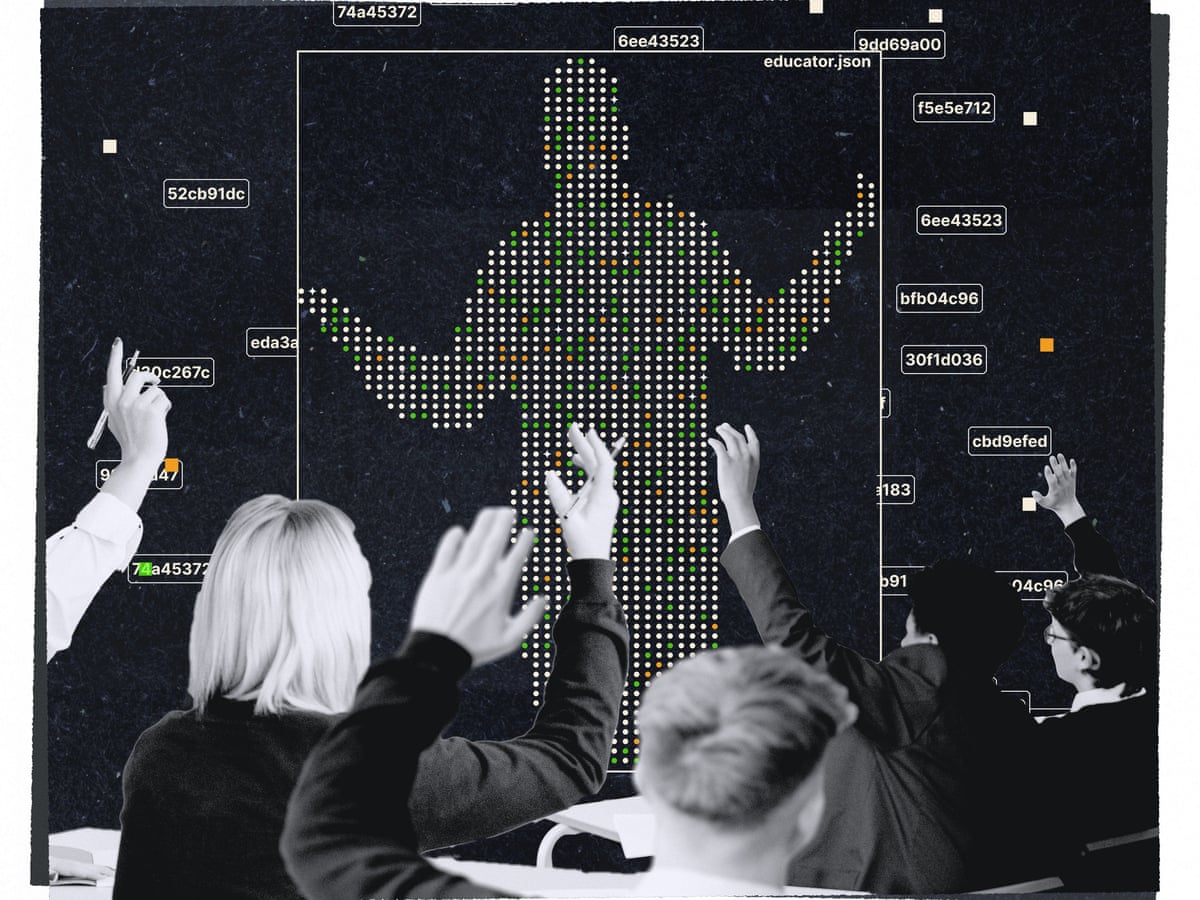
Teacher v chatbot: my journey into the classroom in the age of AI
A 39-year-old trainee English teacher wrestles with how to handle AI in the classroom. Torn between “AI rejectionists” and “cheerleaders,” he sees both cheating risks and potential benefits. Inspired by device-free reading sessions, he limits AI use while openly discussing its ethics and impact with students. Though uncertain, he chooses to prioritize human writing, critical thinking, and real engagement over chatbot convenience.

Source: interestingengineering
Scotland legalizes eco-friendly ‘water cremation’ process as new funeral option
Scotland has legalized alkaline hydrolysis, or “water cremation,” becoming the first UK nation to approve the eco-friendly funeral method. The process uses pressurized water and alkaline chemicals to accelerate natural decomposition, leaving bone fragments returned as ashes. Officials say it cuts carbon emissions significantly compared to flame cremation. Facilities could open within nine months, offering families a third option beyond burial and cremation.

Know when to fold them: the tech inspired by origami
MIT researchers have developed flat, tile-like sheets that transform into 3D shapes when pulled, inspired by kirigami. Using 3D-printed tiles with precise cuts, objects like mini chairs or tents “pop up” from a cord. A program converts 3D models into these patterns. Start-ups like Sweden’s Stilfold apply similar folding to sheet metal, creating stiff, lightweight parts for motorcycles and cars, reducing material use and emissions. Other work explores foldable wings that flex like bird feathers.
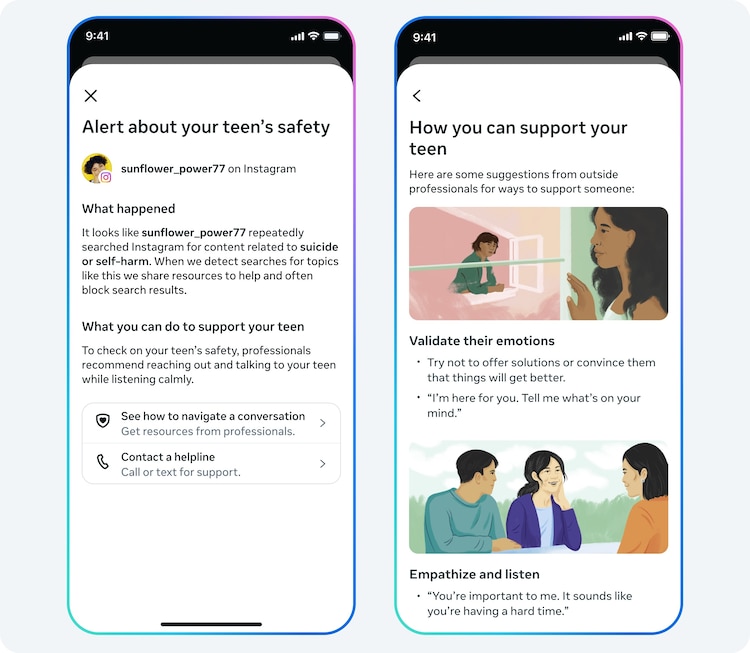
Instagram will alert parents when teens search for suicide, self-harm content
Instagram will soon notify parents if teens repeatedly search for suicide or self-harm content, aiming to help parents intervene early. Alerts, rolling out in two weeks in the U.S., U.K., Australia, and Canada, appear in-app, email, text, or WhatsApp, and include expert resources for sensitive conversations. The feature complements existing search blocks and helplines and may expand to teens’ AI chats later this year, amid Meta’s ongoing social media addiction trial.

March could be the best month for the northern lights for nearly a decade
March 2026 could offer the best northern lights display until the mid-2030s, thanks to the “equinox effect” and heightened solar activity. Around the March 20 equinox, Earth’s axis aligns side-on to the sun, letting charged solar particles stream along magnetic lines to create auroras. While solar maximum has passed, strong sunspots could still trigger spectacular displays, though timing and visibility remain unpredictable across latitudes.

Pain lasts longer in women, and immune cells may be the culprit
New research suggests women may experience longer-lasting pain than men due to differences in immune cell function. Immune cells called monocytes produce interleukin-10 (IL-10), which helps turn off pain signals. In men, higher testosterone boosts IL-10 production, aiding faster recovery. In women, this response is weaker, potentially explaining greater chronic pain risk. Understanding these immune pathways could lead to therapies that enhance the body’s natural pain-resolution system.