
undefined 10, 2026

Source: interestingengineering
150 years of telephone: How Alexander Graham Bell’s first call changed human history
About 150 years ago, on March 10, 1876, Alexander Graham Bell made the first successful telephone call, telling his assistant Thomas Watson, “Mr. Watson, come here, I want to see you.” Bell secured the key patent amid a race with inventor Elisha Gray, though many pioneers contributed to early “talking telegraph” ideas. Driven by a lifelong interest in sound and speech, shaped by teaching the deaf, Bell proved voice could travel through wires. Despite early skepticism, his invention led to the Bell Telephone Company and launched the global telecommunications industry.

Tech Nvidia plans open-source AI agent platform ‘NemoClaw’ for enterprises
Nvidia is reportedly developing “NemoClaw,” an open-source AI agent platform for enterprises. The system would let companies deploy AI agents to perform tasks for employees and include built-in security and privacy tools. Nvidia has pitched the project to firms like Salesforce, Cisco, Google, Adobe, and CrowdStrike, offering early access in exchange for contributions. The move reflects Nvidia’s growing focus on AI agents, tools that can reason, plan, and complete multi-step tasks, as businesses shift beyond basic large language models.

‘Designed to wreak havoc’: the cheap drones shaping the war with Iran
Cheap attack drones are reshaping modern warfare in the conflict with Iran. Iran has launched waves of Shahed drones, prompting the U.S. to develop a similar low-cost drone called LUCAS, which was recently used in combat. Costing about $35,000, these drones can travel hundreds of miles autonomously and overwhelm air defenses with large numbers. Their affordability and rapid development show how quickly weapons can now be copied and deployed, signaling a shift toward mass-produced, adaptable drone warfare supported by advancing software and commercial technology.
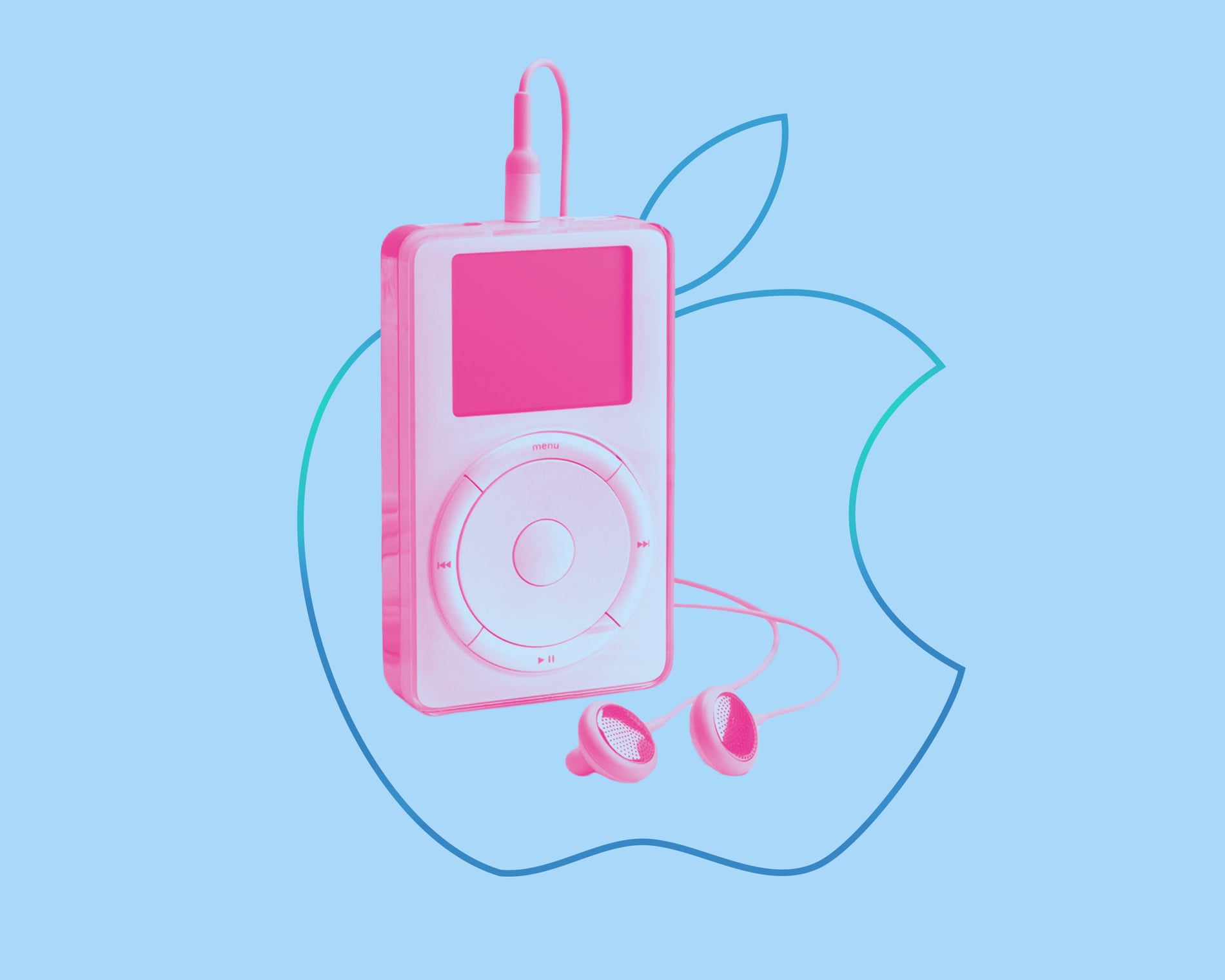
Fifty years of sexing up tech: Apple’s epic hits – and misses
Over 50 years, Apple has shaped consumer technology with major successes and notable failures. Key hits include the Apple II, which popularized home computers; the Macintosh, which introduced the graphical interface; the colorful iMac G3; the iPod, which transformed digital music; and the iPhone, which defined modern smartphones. However, Apple also had flops like the Apple III, Macintosh Portable, Newton MessagePad, Pippin console, and Vision Pro headset, often criticized for high prices, technical flaws, or being ahead of their time.

Making a 'digital twin' of yourself could revolutionize future surgeries, making medical procedures much more personal
Researchers are developing “digital twins”, virtual replicas of a patient’s organs, to personalize medical treatment and improve surgery outcomes. Dr. John Pandolfino’s team created a digital model of the esophagus to simulate surgeries for achalasia, a disorder that prevents food from passing into the stomach. By testing millions of scenarios, the model predicts the best surgical approach and possible complications. A 400-person clinical trial is underway to evaluate the method, which could eventually guide treatments across other organs and reduce the need for animal testing.

Older people are ‘too intimidated’ to get help with scams, report warns
Research from BT Group warns that many older people are reluctant to seek help with online scams despite rising cybercrime. Over half of those aged 65+ fear becoming victims, and 44% say they’ve been targeted repeatedly. Yet one in five feel too intimidated to attend tech classes for guidance. Campaigners, including actor Melanie Walters, are encouraging seniors to learn how to recognize scams, which are becoming more sophisticated and increasingly use technologies such as AI voice cloning.
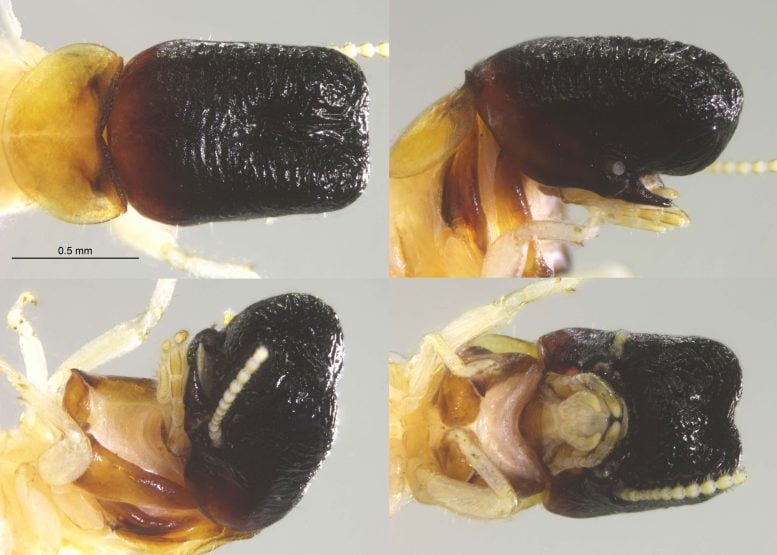
“Unlike anything we’ve ever seen”: bizarre new insect discovered in South America stuns scientists
Scientists have discovered a new termite species in a South American rainforest canopy named Cryptotermes mobydicki, notable for its unusually elongated head that resembles a sperm whale. Researchers initially thought it belonged to a new genus due to its unique anatomy. The species adds to the diversity of the Cryptotermes genus and offers new insights into termite evolution. Found in a dead tree high in the canopy, the termite lives only in rainforest habitats and poses no threat to homes or human activity.

Genetically modified pig liver keeps man alive until human organ transplant
Doctors in China connected a 56-year-old man with liver failure to a genetically modified pig liver, marking the first time the procedure has been performed on a living patient. The external organ filtered his blood for several days, helping stabilize him until a human liver transplant became available. The pig liver contained genetic modifications to reduce rejection risk. Researchers say this xenotransplantation approach could act as a temporary “bridge” treatment for patients awaiting donor organs, potentially saving lives.

‘Flying cars’ will take off in US skies this summer
This summer, the US Department of Transportation will begin a three-year pilot program for “flying cars”, using eVTOLs and ultra-short takeoff aircraft in eight regions, including New York, Texas, and Florida. Companies like Archer Aviation, Joby Aviation, Beta Technologies, and Electra will test passenger, cargo, and emergency flights. Aircraft such as Archer’s four-passenger Midnight and Electra’s EL9 Ultra Short aim to operate safely in urban airspace before full FAA certification, shaping future aviation standards.
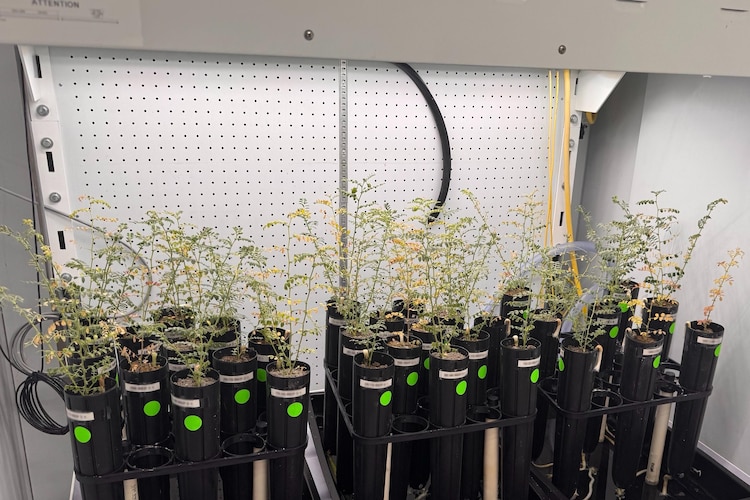
Chickpeas have successfully grown and been harvested in simulated moon dirt
Scientists have successfully grown chickpeas in simulated lunar soil, bringing humans closer to farming on the Moon, according to a study in Scientific Reports. By adding arbuscular mycorrhizal fungi and vermicompost, researchers improved plant growth and reproduction in regolith, which lacks nutrients, microbes, and water retention. The study used simulants mimicking Artemis IV landing sites, showing that fungi can survive and potentially create sustainable, “living” lunar soil for future space agriculture.

The uncomfortable truth about hybrid vehicles
Despite rising popularity, plug-in hybrid vehicles (PHEVs) often fail to deliver real environmental benefits because many owners rarely plug them in, relying on gas engines instead. Hybrids offer limited electric-only range for daily trips and use combustion engines for longer drives. Initially pioneered by Ferdinand Porsche in 1900, hybrids are now a bridge between traditional cars and EVs. Automakers like Toyota increasingly focus on hybrids as EV growth slows, but their climate impact depends heavily on actual electric usage.