
undefined 31, 2026
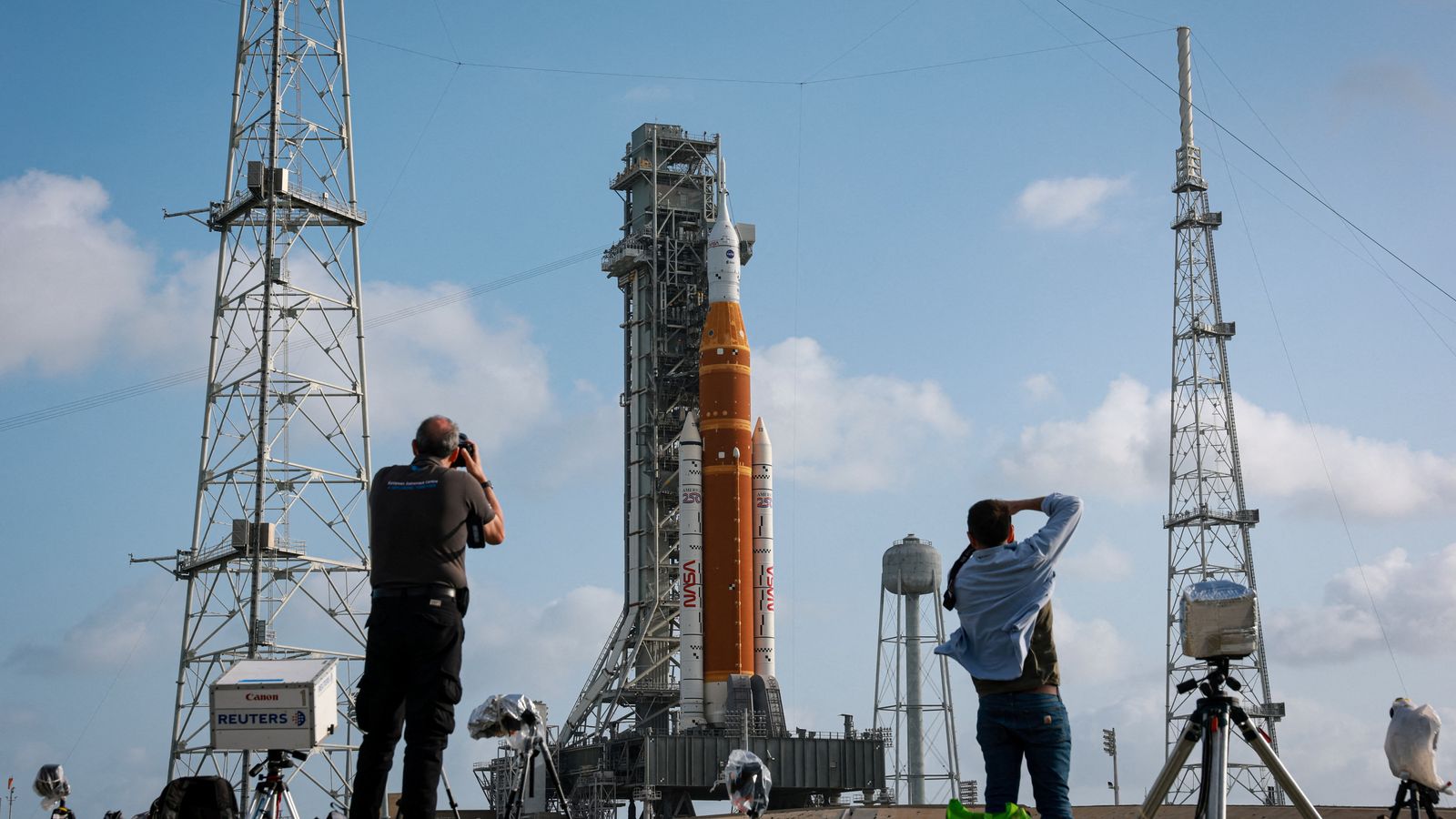
Artemis II: Countdown begins to NASA's trip around the moon
NASA is preparing to launch the Artemis II mission, the first crewed trip around the Moon in more than 50 years. The 98-metre Space Launch System rocket is scheduled to launch from Kennedy Space Center on Wednesday, sending four astronauts on a 10-day journey that will end with a Pacific Ocean splashdown. NASA officials say the system, vehicle, and crew are ready despite a previous delay caused by a hydrogen leak. Artemis II follows the uncrewed Artemis I mission in 2022. Future missions aim to land astronauts on the Moon, build a lunar base, and eventually support human missions to Mars.

Are domes and spheres the future of entertainment?
Large dome and sphere-shaped venues, such as the Las Vegas Sphere, are emerging as a new form of immersive entertainment. The $2.3bn venue features a huge curved screen that surrounds audiences with visual effects during concerts and films. Supporters say these spaces create powerful, experiential viewing similar to virtual reality. Despite early doubts about profitability, the Sphere reported a profit in 2025 and plans smaller versions. Companies like Cosm are also building dome venues for sports and movies. While some critics question whether the concept will last, fans say the unique, immersive experience is unlike traditional cinemas or concerts.

Another Starlink satellite has inexplicably exploded
A Starlink satellite has apparently exploded in low Earth orbit after SpaceX reported losing contact due to an unspecified “anomaly.” Space-tracking firm LeoLabs detected dozens of fragments near the satellite, suggesting it broke apart about 560 km above Earth. SpaceX said the debris poses no threat to the International Space Station or NASA’s upcoming Artemis II launch, and the fragments are expected to burn up in the atmosphere within weeks. A similar incident occurred in December. The event highlights the growing congestion in low Earth orbit, where more than 24,000 objects, including about 10,000 Starlink satellites, are currently tracked.
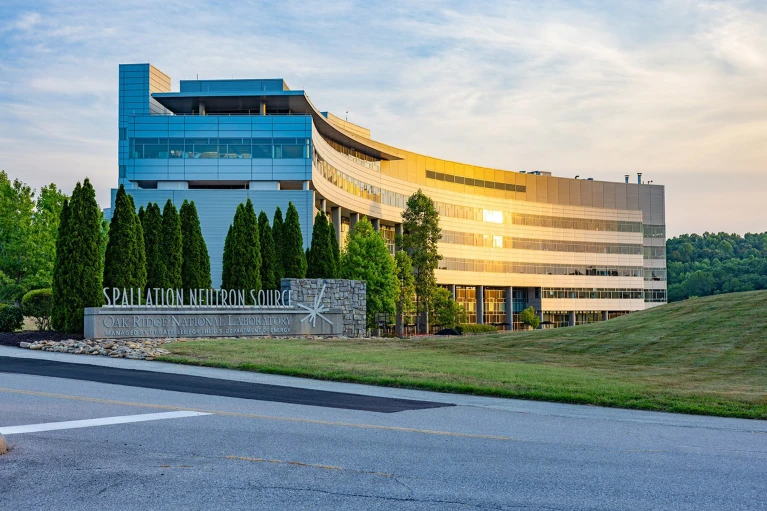
Quantum simulations verified by experiments for the first time
Scientists have matched quantum computer simulations with real experimental data for the first time, an important step for validating quantum computing. Two research teams simulated complex magnetic materials using different quantum computers and compared the results with neutron-scattering experiments on the actual materials. The close agreement shows quantum simulations can reliably model real physical systems. Such benchmarking will be crucial as quantum computers begin tackling problems beyond classical supercomputers, including designing new materials, chemicals and drugs.
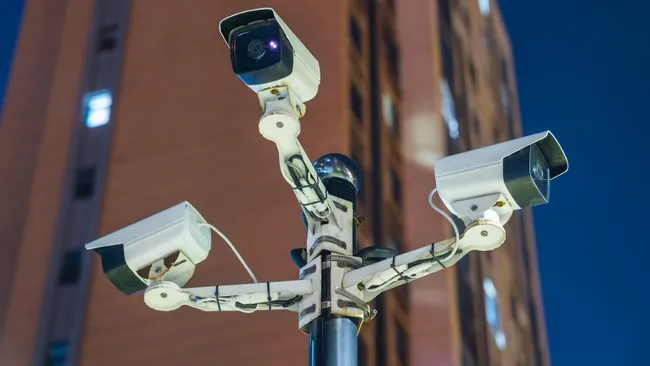
AI systems are enabling mass surveillance in the US, and there is no national law that 'meaningfully limits' the use of this data
AI-powered surveillance systems are expanding across the United States, particularly through automatic license plate reader (ALPR) cameras installed on roads and intersections. These systems capture vehicle plates, images and timestamps, creating large searchable databases that can be linked with other law-enforcement data. Experts warn that, without strong federal privacy laws, the technology could enable mass location tracking and surveillance of communities, protests or political groups. Critics argue the systems have limited evidence of reducing crime and raise serious concerns about civil liberties, transparency and oversight.

These retractable studded tires might save our roads, ears, and lungs
Nokian has developed retractable studded winter tires that aim to reduce the noise, road damage and pollution caused by traditional studded tires. The new Hakkapeliitta 01 tires use an “adaptive base” that allows the metal studs to retract into the tread on dry roads but extend on icy or snowy surfaces, improving grip when needed. Tests show the design can lower noise and reduce road wear by about 30%, which may also cut harmful airborne particles from asphalt erosion. While the technology improves comfort and environmental impact, the tires are expected to remain relatively expensive.

Meet the man making music with his brain implant
Galen Buckwalter, a quadriplegic research psychologist, is using a brain-computer interface (BCI) to create music with his thoughts. Six implanted chips read neural activity and translate specific brain signals into musical tones on a computer. By imagining movements, Buckwalter can control pitch and produce multiple sounds simultaneously, which he has already used in a song by his punk band Siggy. Researchers hope BCIs will restore communication and movement for people with paralysis, but Buckwalter argues the technology should also support creativity and enjoyment, which could help drive its future development.

Source: interestingengineering
Dogs have been humans’ best friend for 14,000 years
A new Nature study suggests dogs separated from grey wolves earlier than previously believed. Researchers analyzed 10,000-year-old genomes from dog remains found in Gough’s Cave (UK) and Pınarbaşı (Turkey). The findings indicate dogs were already widespread across western Eurasia 18,500–14,000 years ago and had split into eastern and western lineages. Evidence from bones shows these early dogs ate fish-rich diets similar to nearby humans, suggesting people were feeding and living closely with them. The study highlights that the human–dog bond began during the late Ice Age and has persisted ever since.

A cat-and-mouse game of Russian internet restrictions and evasion
Russia is intensifying internet censorship, investing hundreds of millions of dollars in technology to block foreign apps and control online traffic. Authorities use tools such as deep packet inspection, internet throttling and mobile data shutdowns, while creating “whitelists” of approved sites. They also plan to monitor 100% of internet traffic and track devices through mobile identifiers. In response, many Russians are turning to VPNs, alternative protocols and decentralized networks to bypass restrictions. The situation has created a growing “cat-and-mouse” battle between government controls and users seeking to keep access to global internet services.

I broke up with my Kindle. My new e-reader treats me better
I recently ditched my Kindle after realizing I couldn’t even back up the e-books I’d bought. It felt like buying a car only to discover I didn’t own it, Amazon controlled everything, from access to what I could do with it. So I switched to a Rakuten Kobo, and it’s been a revelation. Unlike the Kindle, Kobo lets me freely download, back up, and move my e-books between devices. The screen is crisp, the interface simple, and it supports multiple formats, so I’m not locked into a single ecosystem. For the first time in years, I feel like I truly own my library, and reading has become enjoyable again.