
undefined 24, 2026
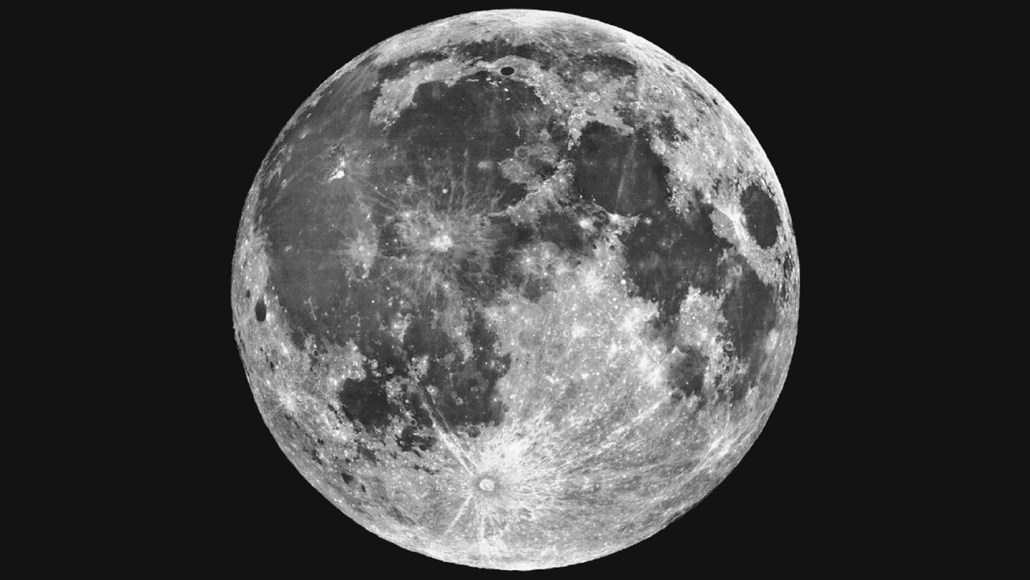
In a rare event, the moon got a massive new crater
Scientists have discovered a rare new crater on the Moon, about 225 meters wide, formed between April and May 2024. Found using images from NASA’s Lunar Reconnaissance Orbiter, it’s roughly the size of two football fields and larger than expected,events like this occur only about once every 139 years. The impact scattered debris up to 120 km away, highlighting potential dangers for future lunar bases, which may need protection from high-speed rock fragments ejected by distant impacts.

US bans foreign-made internet routers over security concerns
The United States has banned the import and sale of new foreign-made internet routers over national security concerns. The FCC added consumer routers to its “Covered List,” citing risks that supply chain vulnerabilities could threaten the economy, infrastructure, and defense. Existing routers can still be used, and previously approved models may still be sold. Officials say foreign routers could be exploited by hackers for espionage or cyberattacks, part of a broader push to reduce reliance on foreign technology.

Anthropic says Claude can now use your computer to finish tasks for you
Anthropic has introduced a new feature allowing its AI assistant Claude to perform tasks directly on a user’s computer. Users can send a request from their phone, and Claude can open apps, browse the web, and complete actions like exporting files or updating documents. The update reflects the growing push toward autonomous AI agents that handle tasks for users. Anthropic says the feature is still early and includes safeguards, requiring permission before accessing apps to reduce security risks.

The long farewell to Mark Zuckerberg’s Metaverse
Meta is scaling back Mark Zuckerberg’s original vision of a VR-based metaverse. The company has cut jobs in its metaverse division and will stop adding new VR apps to its Horizon Worlds platform, signaling a major shift away from immersive virtual worlds. Despite investing about $80 billion, adoption remained limited. Meta is now focusing heavily on artificial intelligence, while keeping some VR and augmented reality products, such as AR glasses, but the metaverse is no longer its central strategy.
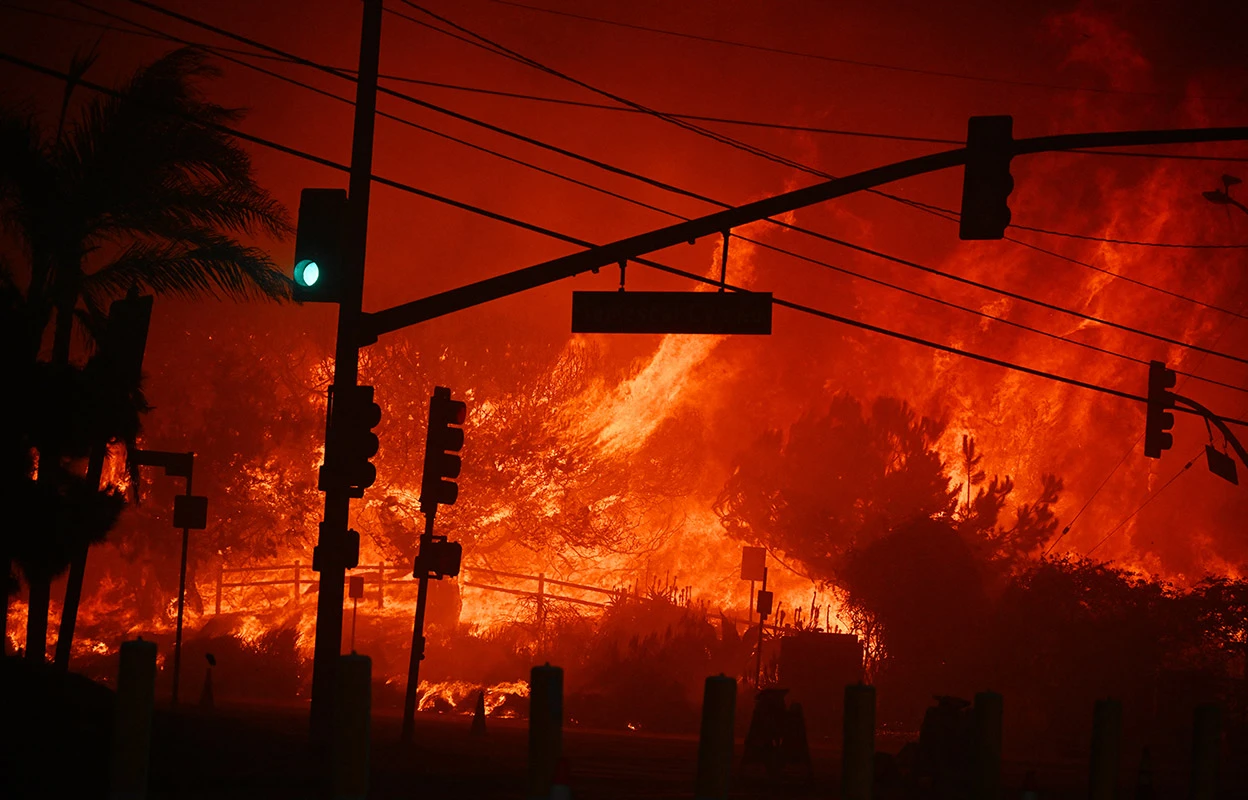
The world just lived through the 11 hottest years on record. What now?
The last 11 years (2015-2025) have been the hottest ever recorded, according to the World Meteorological Organization. Rising greenhouse gas levels, record ocean temperatures, and shrinking polar sea ice show the planet is increasingly “out of balance.” Scientists highlight Earth’s energy imbalance (EEI), the difference between incoming solar energy and heat escaping to space, as a key indicator of warming. Most excess heat is absorbed by the oceans, making EEI a better measure of long-term climate change.
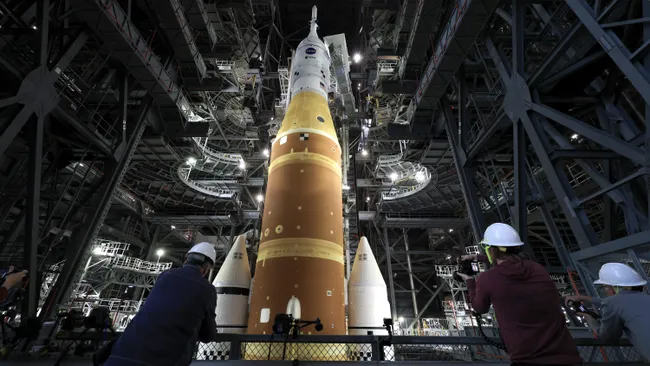
NASA's Artemis II rocket rolls to launch pad in final bid to meet April deadline
NASA has rolled the Artemis II rocket back to the launch pad after repairing leaks discovered during earlier test runs. The 322-foot Space Launch System and Orion capsule could launch as early as April 1, carrying four astronauts on a 10-day mission around the Moon. This is likely NASA’s final chance to meet its April 2026 deadline. If successful, Artemis II will be the first crewed mission of the Artemis program, testing systems for future lunar landings and eventual missions to Mars.

More! More! More! Tech workers max out their A.I. use
Tech workers are increasingly competing to maximize their use of AI tools, a trend dubbed “tokenmaxxing.” Some companies track AI usage through internal leaderboards and even consider it in performance reviews. Engineers run multiple autonomous coding agents that generate billions of tokens, units of AI processing, sometimes costing thousands of dollars daily. While firms see heavy AI use as boosting productivity, critics worry it may be more about signaling competence than producing meaningful work.

Source: interestingengineering
World’s first beer made with CO2 captured from thin air debuts in California
A California brewery has launched the world’s first beer carbonated with CO₂ captured directly from the air using Direct Air Capture (DAC). Aircapture’s system, installed at Almanac Beer Co., extracts atmospheric CO₂ and refines it to beverage-grade quality for brewing. The approach reduces reliance on fossil-fuel-linked CO₂ supply chains and helps avoid shortages that previously disrupted breweries. The project also demonstrates how industries could produce CO₂ locally from ambient air, creating more stable and circular production systems.

Parents think they know how kids use AI. They don't
New studies show a large gap between how teens actually use AI and what parents think they do. Surveys from Pew Research Center and Common Sense Media found 64% of teens use chatbots, while only 51% of parents believe their kids do, and many families have never discussed AI at all. Teens commonly use AI for research, homework, and entertainment, but some also turn to it for conversation or emotional support, which many parents would be uncomfortable with. Experts say the key issue isn’t AI itself but the lack of communication between parents and teens about how it’s used.

How BYD got EV chargers to work almost as fast as gas pumps
BYD has developed ultra-fast EV chargers delivering up to 1,500 kW, allowing compatible cars to charge from 10% to 70% in about 5 minutes and fully in roughly 9 minutes, approaching the speed of refueling a gas car. The system works with BYD’s latest Blade battery and tightly integrated vehicle–charger design, enabling ranges of over 600 miles. However, the technology currently supports only specific BYD vehicles and requires major grid capacity, meaning it may take time and significant infrastructure upgrades before similar speeds become common outside China.