
undefined 12, 2026
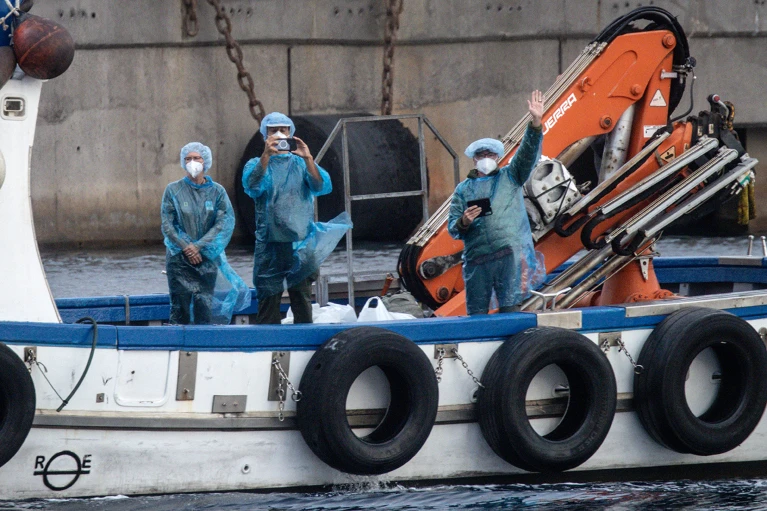
Hantavirus outbreak exposes uncertainty about how disease spreads
A hantavirus outbreak on the MV Hondius infected ~150 passengers and crew, with at least six confirmed cases and three deaths. Passengers are returning home to varied quarantine rules, reflecting uncertainty about how the virus spreads. The Andes strain can transmit between people, but likely requires close, prolonged contact. With an incubation period up to 40 days, experts warn more cases may emerge, highlighting gaps in understanding and preparedness.

Microplastics absorb heat in the atmosphere and contribute to global warming, as if they weren't bad enough
A new study finds microplastics and nanoplastics in the atmosphere contribute to global warming by absorbing sunlight and radiation. While lighter particles can reflect light, darker ones, and those that darken over time, create a net warming effect about five times stronger than any cooling. Though small compared to CO₂, their impact is comparable to emissions from a small country, highlighting plastic pollution as an added climate concern.
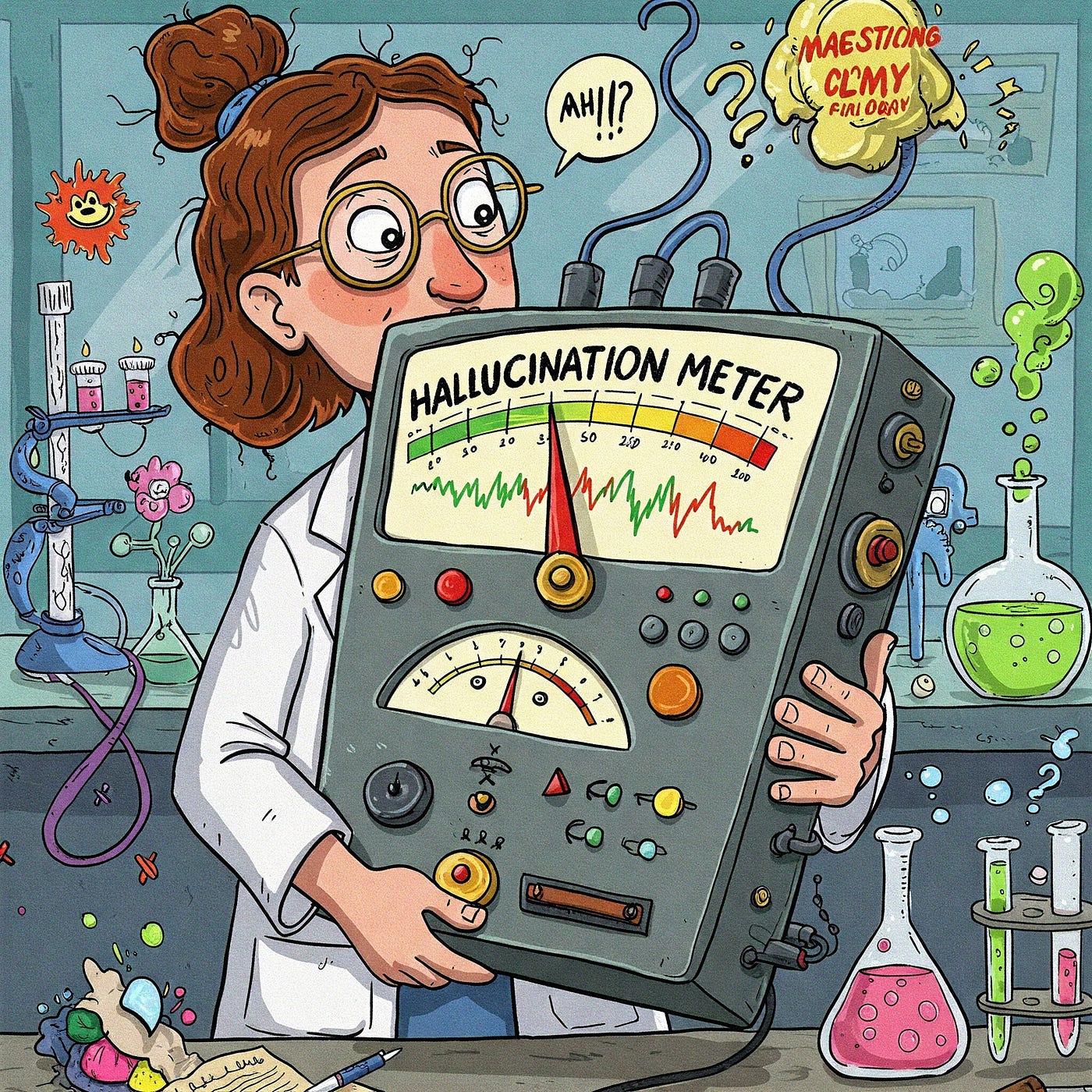
AI model finally learns to say ‘I don’t know’
Researchers at Korea Advanced Institute of Science and Technology have developed a method to reduce AI overconfidence by teaching models to recognize when they don’t know something. By briefly pre-training neural networks with random noise, AI starts with low confidence and avoids “hallucinations.” Inspired by human brain development, the approach improves reliability in high-stakes uses like medicine and autonomous driving by helping AI distinguish known from unknown information.
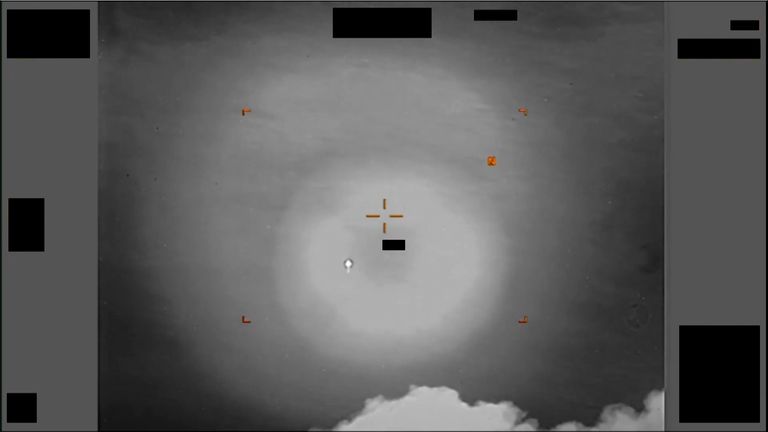
'Never-before-seen' files on UFOs released by Pentagon
The Pentagon has released 161 previously classified UFO (UAP) files, including videos, photos, NASA transcripts, and FBI reports. Some show unexplained objects performing unusual maneuvers, though officials say there’s no consensus on their nature. Ordered by Congress, the release aims to increase transparency. Despite hundreds of reported incidents, no evidence confirms extraterrestrial technology, and more files will be published over time.
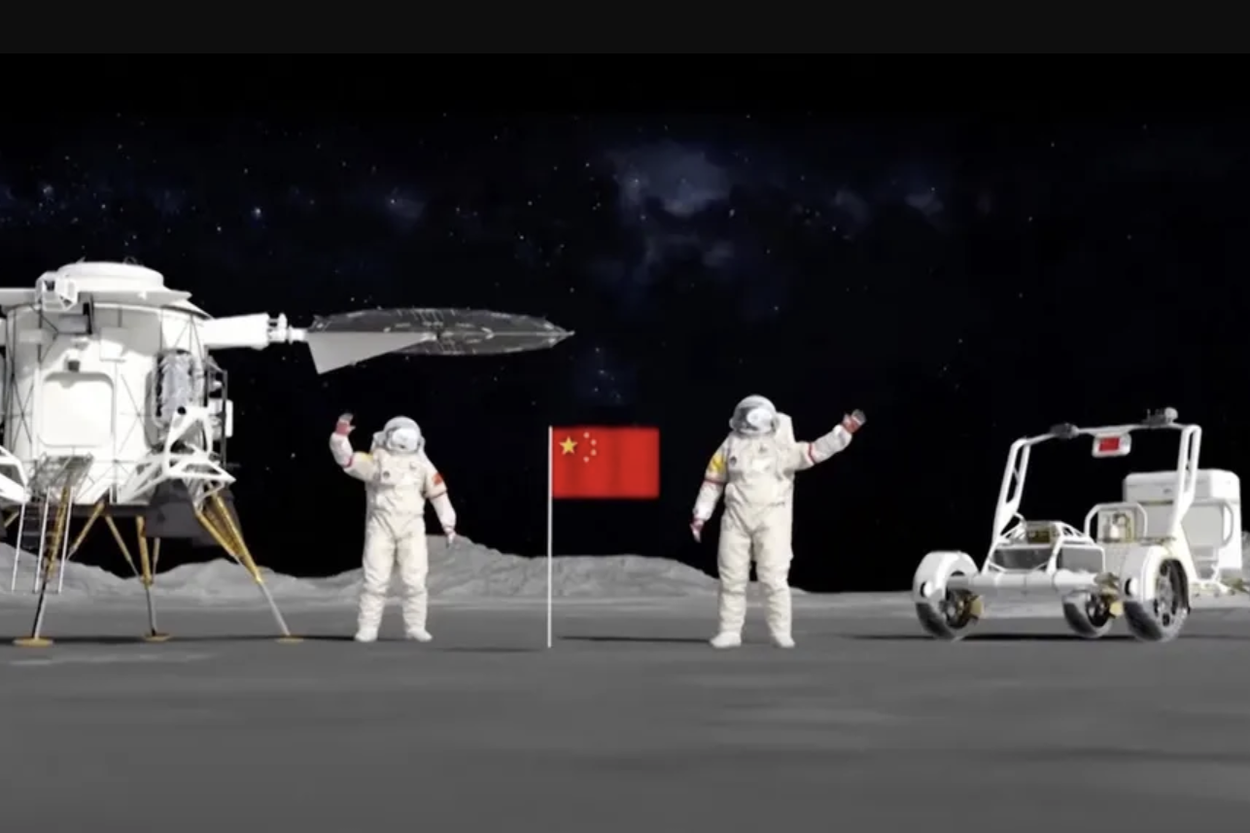
China unveils humanoid robot for Moon mission
China National Space Administration has unveiled an AI-powered humanoid robot for its Chang’e-8 mission, set to land on the Moon around 2029. Built by Hong Kong University of Science and Technology, the robot will transport and install equipment ahead of a planned crewed mission by 2030. With autonomous decision-making abilities, it marks a step toward lunar exploration as China competes with NASA in returning humans to the Moon.

Canvas owner reaches ‘agreement’ with hackers to secure stolen data
Instructure, owner of the Canvas platform, says it reached an “agreement” with hackers after a breach by ShinyHunters, which had stolen 3.5TB of student data and threatened to leak it. The company claims the data was returned and destroyed, likely implying a ransom was paid. While aiming to protect users, experts warn such deals can encourage further cyberattacks and offer no guarantees criminals will comply.

Meta’s embrace of A.I. is making its employees miserable
Meta is facing employee backlash as it pushes aggressively into AI, introducing tools that track workers’ computer activity to train models and factoring AI use into performance reviews. The company plans to cut about 10% of its workforce to fund AI investments, causing anxiety and low morale. Led by Mark Zuckerberg, the shift highlights growing tensions as AI reshapes jobs, productivity, and workplace expectations.

Source: interestingengineering
New self-refueling underwater batteries use marine microbes to generate electricity
Researchers at Michigan Technological University, backed by DARPA, are developing self-refueling underwater batteries powered by marine microbes. These microbial fuel cells convert organic matter in seawater into electricity, enabling long-lasting ocean sensors without retrieval. Early tests show promising results, and the technology could support naval, environmental, and acoustic monitoring by allowing devices to operate underwater for extended periods.

New tiny ice world discovered with an atmosphere beyond Neptune dubbed a 'Mini-Pluto'
Scientists have discovered a small icy object beyond Neptune, known as (612533) 2002 XV93, with a surprisingly thin atmosphere, making it a rare “mini-Pluto.” Despite being much smaller than Pluto, it shows atmospheric activity, possibly from cryovolcanism or a recent impact. The finding challenges assumptions that only larger bodies can sustain atmospheres, suggesting distant, cold worlds may be more dynamic than previously thought.
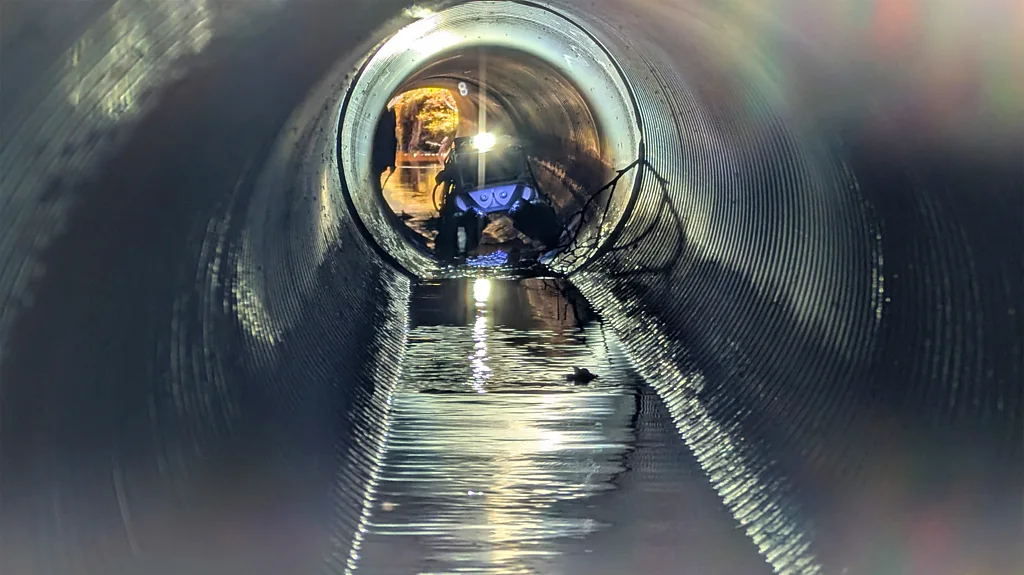
'Fatbergs' are taking over city sewers - scientists are fighting back
“Fatbergs”, massive clogs of fat, grease, and waste, are increasingly blocking sewers worldwide, causing flooding and pollution. Cities like London face frequent buildups, with thousands cleared yearly. Utilities are now using AI, sensors, and robots to detect and remove blockages early, reducing risks and worker exposure. Researchers are also studying how fatbergs form, aiming to better predict and prevent these growing urban infrastructure threats.
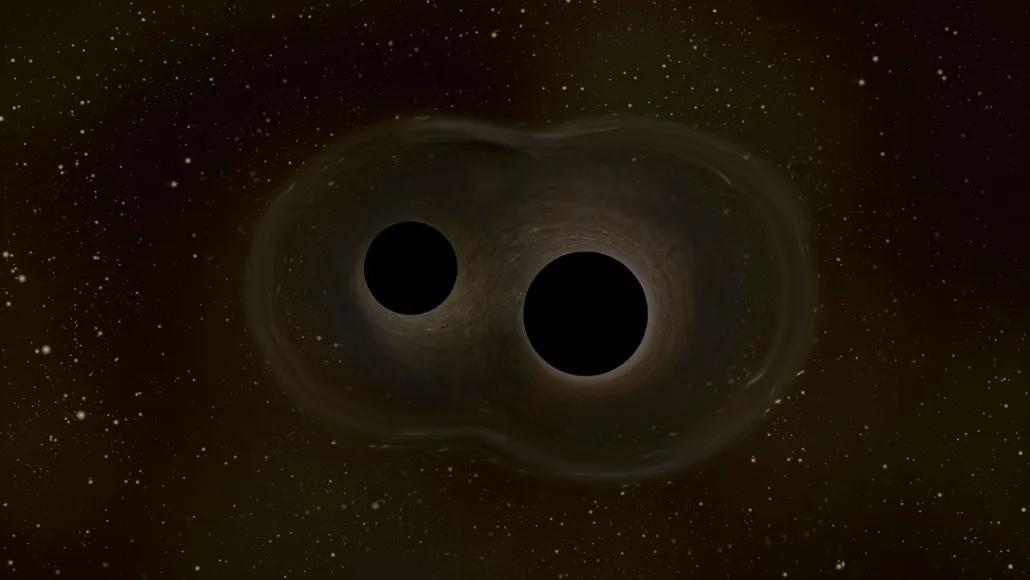
Astronomers may have found a record-breaking pair of black holes
Astronomers using data from James Webb Space Telescope and the European Southern Observatory may have discovered the most massive pair of black holes ever found, with a combined mass around 60 billion times that of the Sun. Located in galaxy Abell 402-BCG about 4.4 billion light-years away, the black holes appear to be spiralling toward a merger. The finding helps scientists study how such extreme black hole collisions shape galaxies over cosmic time.