
undefined 20, 2026

Google’s AI future demands trust — and your personal data
Google’s AI push, highlighted at I/O 2026, centers on tools like Gemini Spark and Daily Brief that promise convenience by organizing tasks, summarizing emails, and planning your day. These features rely heavily on access to users’ personal data across Google services, giving it an edge over competitors. While useful, this deep integration raises concerns about privacy and trust, as Google’s AI increasingly depends on extensive personal information to function effectively.

The first atomic bomb test in 1945 created an entirely new material
A newly identified material formed during the Trinity nuclear test in 1945 has been discovered by researchers led by Luca Bindi. This rare clathrate, made of calcium, copper, and silicon, emerged under extreme heat and pressure and had never been seen in nature or labs before. The finding highlights how nuclear explosions can create entirely new materials through unique conditions.

Ebola latest: WHO worried about 'scale and speed' of outbreak
The Ebola outbreak in eastern Democratic Republic of the Congo is rapidly worsening, with over 130 suspected deaths and 500+ cases. The World Health Organization warns about its scale and spread, worsened by limited testing and a rare Bundibugyo strain lacking vaccines. A US patient has been flown to Berlin, while travel bans and funding cuts spark criticism. Experts say global risk remains low but urge stronger containment and support.

A de-extinction company has hatched live chicks from an artificial eggshell
Colossal Biosciences has hatched 26 chicks using a 3D-printed artificial eggshell, aiming to advance its de-extinction goals. The system mimics key egg functions but still relies on real biological components, leading some scientists to call it an “artificial eggshell,” not a true egg. While promising for research and genetic engineering, experts doubt it can revive extinct species like the South Island giant moa and raise ethical and environmental concerns.

Google to release first smart glasses since Google Glass flop
Google is re-entering the smart glasses market over a decade after the failed Google Glass. Its new AI-powered glasses, launching in 2026, feature cameras and speakers to interact with Gemini hands-free, with future versions adding displays. Developed with Warby Parker and Gentle Monster, they face strong competition and renewed privacy concerns similar to rival products from Meta.

Meta begins laying off 8,000 employees amid AI transformation
Meta is undergoing major restructuring as it shifts toward an AI-first strategy, announcing about 8,000 layoffs and reassigning thousands more employees to AI-focused teams. CEO Mark Zuckerberg is significantly increasing AI investment, even as internal unrest grows over data use, job insecurity, and mandatory participation in new AI initiatives. The move reflects broader industry disruption, with companies like Cisco and Microsoft also cutting jobs amid the AI transition.

Source: interestingengineering
China activates world’s first offshore wind-powered underwater data center
China has launched the world’s first offshore wind-powered underwater data center near Shanghai, designed for AI and high-performance computing workloads. The $226M facility uses subsea modules cooled by seawater and powered directly by offshore wind, achieving high energy efficiency (PUE ~1.15). Built with partners including China Telecom, the project aims to cut energy use and land demand while supporting AI development, though it still faces challenges like corrosion and maintenance in underwater environments.

The EU’s plan to tackle 'cookie fatigue'
The European Commission is proposing new “cookie fatigue” reforms to simplify online consent by shifting to browser-level, one-click permission controls instead of constant website pop-ups. The goal is to reduce banner overload and improve transparency, but critics warn it could centralize power in browser providers, weaken personalized advertising, and raise costs for European businesses and SMEs. The plan is part of the EU’s broader Digital Omnibus effort to streamline data consent rules across the web.
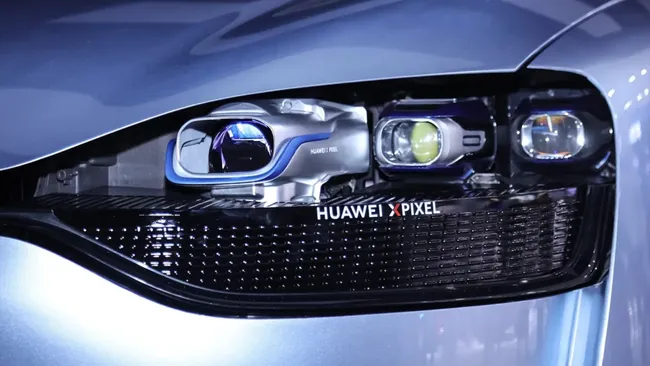
Is this the future of drive-in movies? Huawei’s XPixel smart headlights can project games, TV and more onto any surface
Huawei has showcased a new automotive lighting system called XPixel that can project full-color images onto nearby surfaces, effectively turning car headlights into mobile displays. Demonstrated at the Beijing Auto Show, the system can display navigation cues, games, or even movies, while still functioning as adaptive headlights for safety in different weather and road conditions. The technology is expected to debut on the Aito M9 SUV, though it raises regulatory and safety concerns in regions like Europe and the US.

Russia's internet crackdown leads to a spring of growing discontent
Russia’s government is intensifying internet restrictions, including blocking messaging apps like Telegram and WhatsApp, increasing VPN restrictions, and forcing reliance on state-approved services. The state regulator Roskomnadzor is central to the effort, which critics say is pushing users into a controlled “digital ghetto.” The measures have disrupted everyday services and sparked growing public frustration despite heavy political control under President Vladimir Putin.
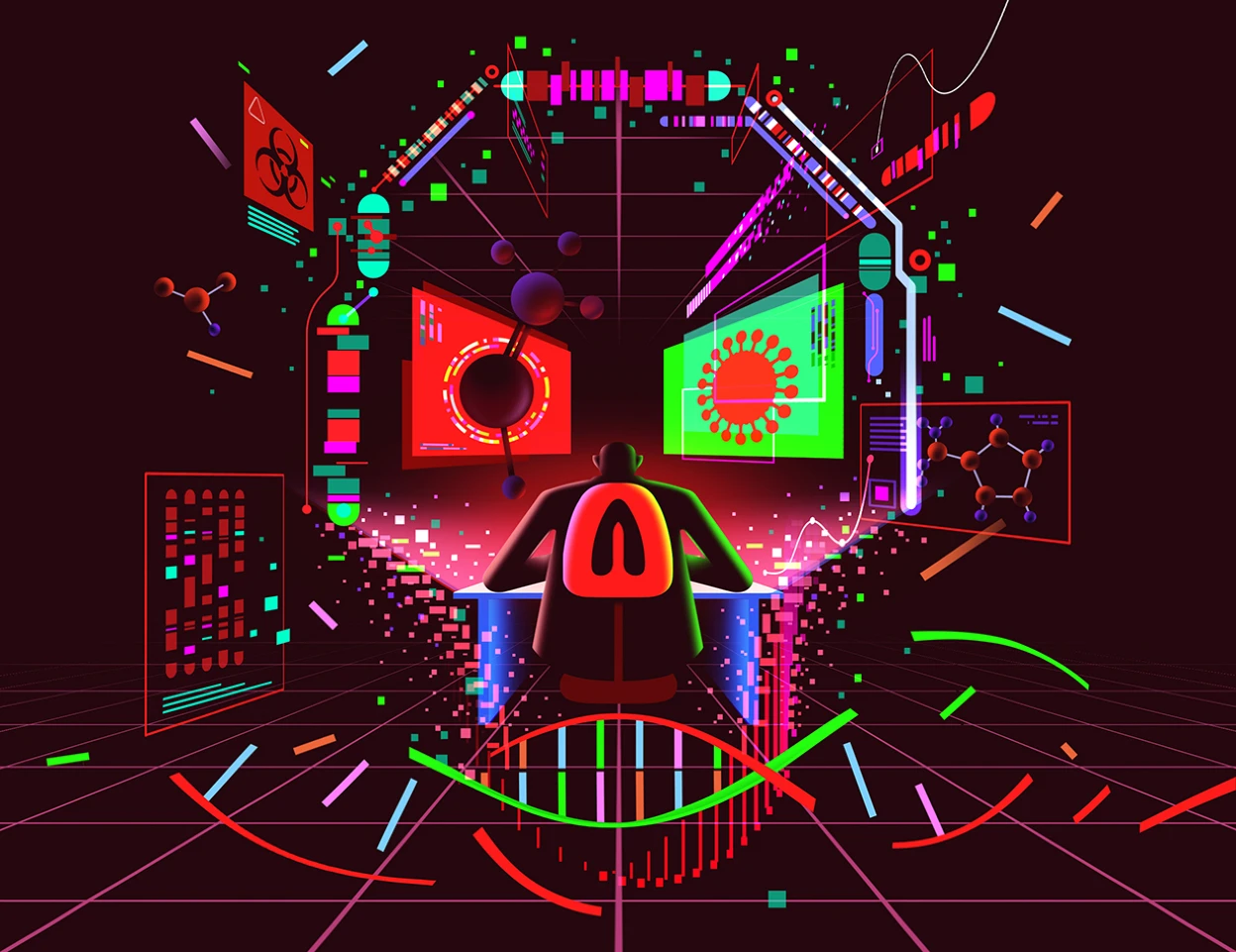
AI can design viruses, toxins and other bioweapons. How worried should we be?
A Nature report examines concerns that AI used in biology could be misused to design toxins or even pathogens. While these tools are mainly built for drug discovery and protein design, scientists warn they could lower barriers to harmful biological engineering. Some experts fear AI could help create hard-to-detect toxins or engineered viruses, but others note major real-world limits like lab expertise, data gaps, and production hurdles. Debate continues over whether regulation, screening, or “guard rails” can effectively reduce risk.