
undefined 27, 2026
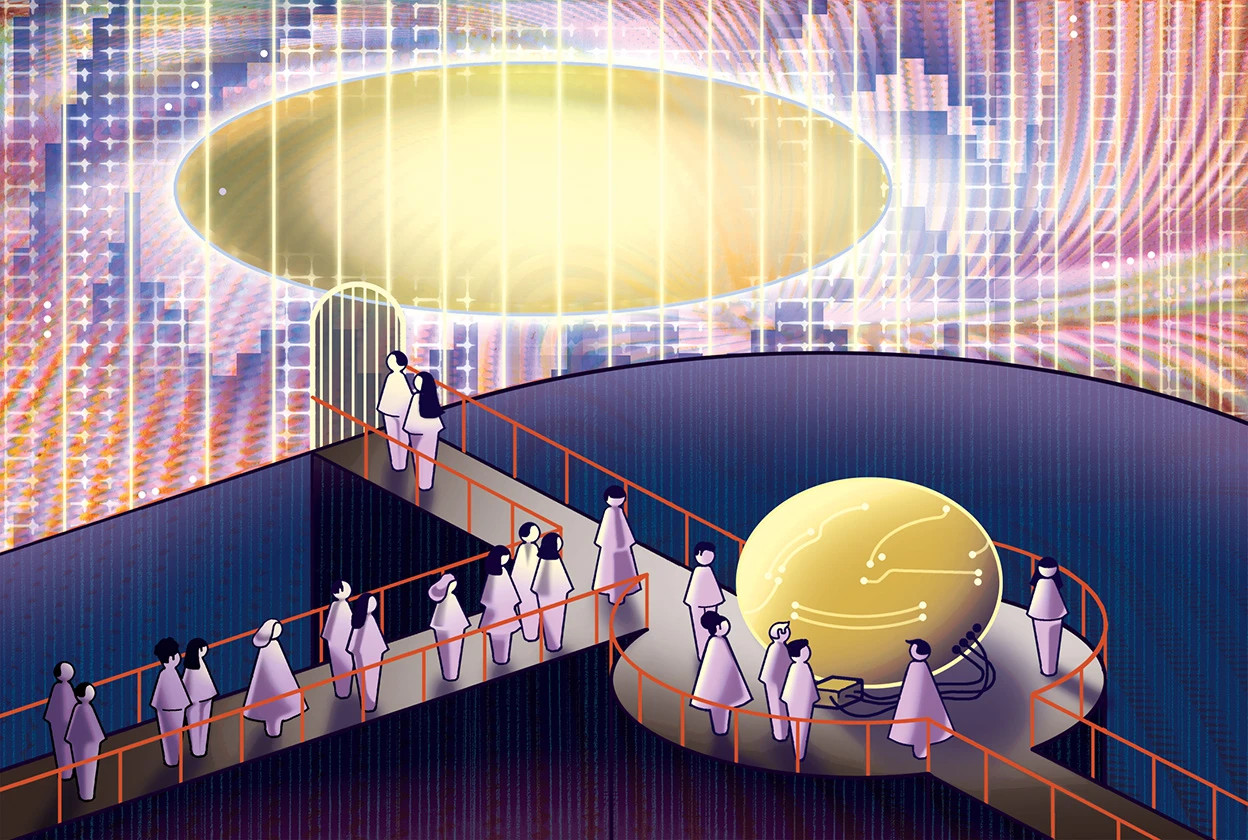
Too dangerous to release: is Mythos the start of the restricted-AI era?
Anthropic’s “Mythos” AI, deemed too powerful for public release due to its ability to find widespread system vulnerabilities, signals a shift toward restricted-access AI. Other firms are adopting similar strategies, raising concerns about secrecy, inequality, and limits on scientific progress. While restrictions aim to prevent misuse in cybersecurity and bioweapons, they may concentrate access among trusted groups and governments, potentially reshaping debates over open vs. closed AI.

NASA picks Blue Origin to deliver lunar rovers to the moon
NASA has awarded Blue Origin a $188M contract to deliver lunar rovers for its Moon Base project, aiming for sustained human presence at the Moon’s south pole by the 2030s. Additional contracts fund rover development and drones to scout sites. Following Artemis program missions, the plan includes landings by 2028 and growing infrastructure. Despite extreme conditions, the base is seen as key to long-term lunar habitation and future Mars exploration.

One job that is growing in the A.I. era? Cybersecurity experts
Demand for cybersecurity experts is surging as AI expands risks and complexity. Companies are racing to hire specialists to secure AI-generated code and defend against powerful tools like Anthropic’s Mythos, which can expose system vulnerabilities. Job postings and salaries are rising amid a shortage of talent. While AI is cutting some tech jobs, it is also creating roles in security and AI engineering, forcing workers to adapt skills to stay competitive.

You’re about to feel the AI money squeeze
AI companies like Anthropic and OpenAI are tightening access and raising prices as they shift from growth to profitability. Free or cheap AI use is ending, replaced by subscriptions, ads, and restrictions on heavy usage and third-party tools. After massive investment, firms now need returns, meaning users will face higher costs, limits, and fewer open-access features across AI platforms.

I tried using ChatGPT to recreate my 1990s childhood for my kid — and suddenly our weekend had no screens at all
Using ChatGPT, a parent recreated a 1990s-style childhood day for their toddler, planning simple, screen-free activities like chalk drawing, bubbles, and imaginative play. The AI helped structure a full day of unstructured, creative fun, highlighting how past childhoods relied less on constant entertainment. The experience showed how AI can inspire more intentional, offline family time rather than just digital engagement.

Source: interestingengineering
Seed-sized magnetic robot switches between five surgical tools in under one second
Researchers at Nanyang Technological University have developed a 4.4 mm magnetic surgical robot that can switch between five functions—cutting tissue, delivering drugs, collecting samples, gripping material, and generating heat—within a second. Controlled wirelessly via magnetic fields, it is designed for minimally invasive procedures in tight spaces. Early lab tests on biological tissues showed strong performance and low toxicity, and researchers are now exploring medical imaging integration for future clinical use.
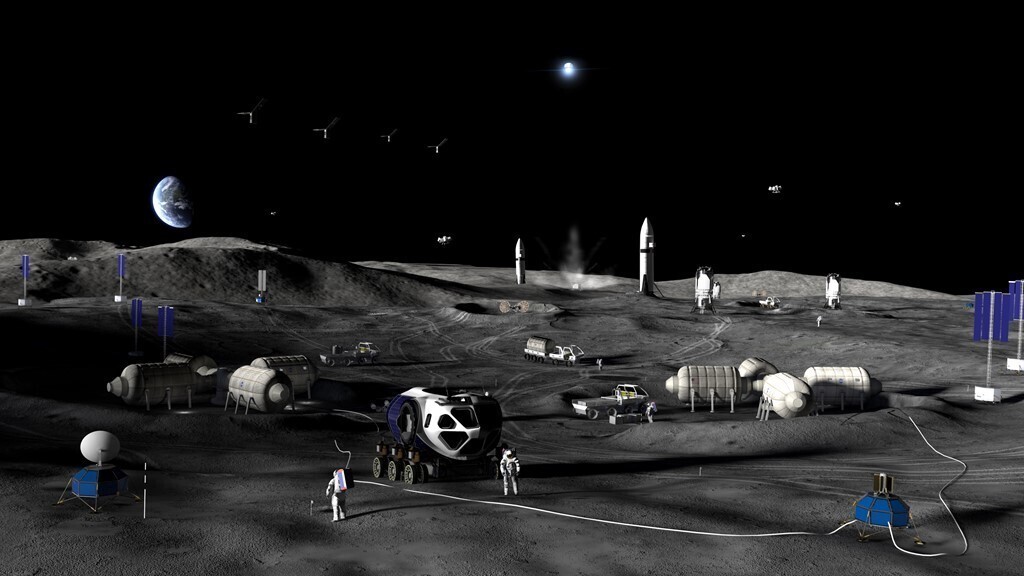
Nasa unveils massive plan to settle on moon - with eyes on Mars next
NASA has unveiled an ambitious multi-phase plan to build a permanent “Moon Base” near the lunar south pole, potentially spanning hundreds of square miles and functioning like a city. The project, part of the Artemis programme, aims to establish a sustained human presence by the early 2030s and use the Moon as a stepping stone to Mars. It includes new industry partners such as Blue Origin for landers and other contractors for surface vehicles and infrastructure. The plan involves staged expansion from exploration to semi-permanent habitats, despite extreme lunar conditions and major engineering challenges.

The Electric Ferrari Luce is finally here, and it’s unlike anything before it
The Ferrari Luce as Ferrari’s long-awaited first full EV hypercar, blending extreme performance with radical new design. The car uses four electric motors (one per wheel), over 1,000 hp, 0–62 mph in ~2.5 seconds, and a 122 kWh battery with ~329-mile range. Its styling was shaped partly with LoveFrom, linked to Jony Ive, and breaks Ferrari tradition with a glass-heavy aerodynamic body. Starting around $640,000, it signals Ferrari’s cautious but bold entry into electric vehicles.

Internet starts coming back in Iran after months-long blackout
Iran is gradually restoring internet access after an almost three-month nationwide blackout imposed during conflict following US and Israeli attacks. Officials say the move is a “first step” toward controlled access, though monitoring groups report only partial restoration and continued regional outages. Netblocks warns the return may be unstable and includes heavier filtering than before, with tighter restrictions on apps like WhatsApp. The shutdown severely disrupted communication and income for many Iranians. While some connectivity has returned, full, open access remains uncertain amid ongoing tensions and renewed military strikes.
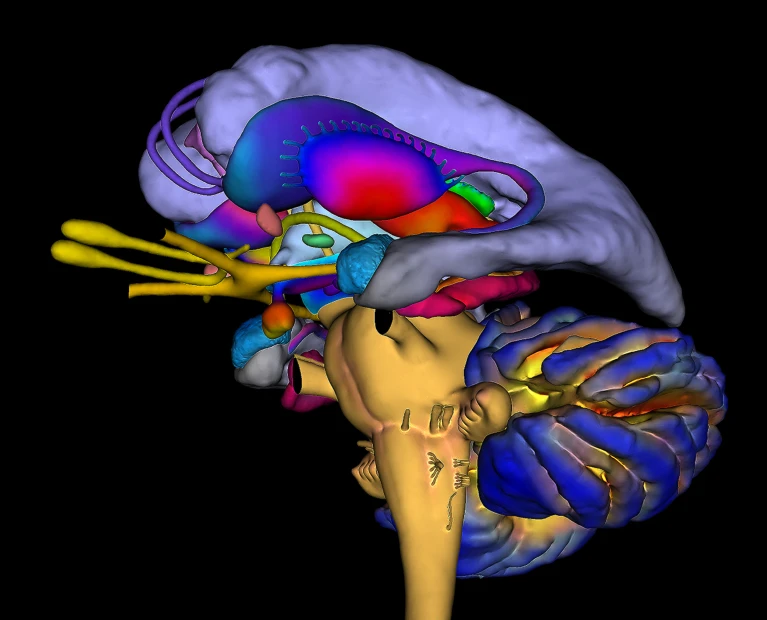
Stress impairs your brain’s ability to link memories — dampening insight
A study reported in Nature shows that acute stress can impair the brain’s ability to link separate memories and form inferences, helping explain why people struggle with insight under pressure. Using brain imaging and behavioural tests, researchers found stress disrupts hippocampus-dependent “memory integration,” making it harder to connect past experiences with new information. In experiments simulating job interview stress, participants performed worse at linking related memories compared with controls. The findings suggest stress temporarily weakens the brain systems needed for flexible thinking and decision-making.





Continue reading
undefined 20, 2026