
undefined 2, 2025
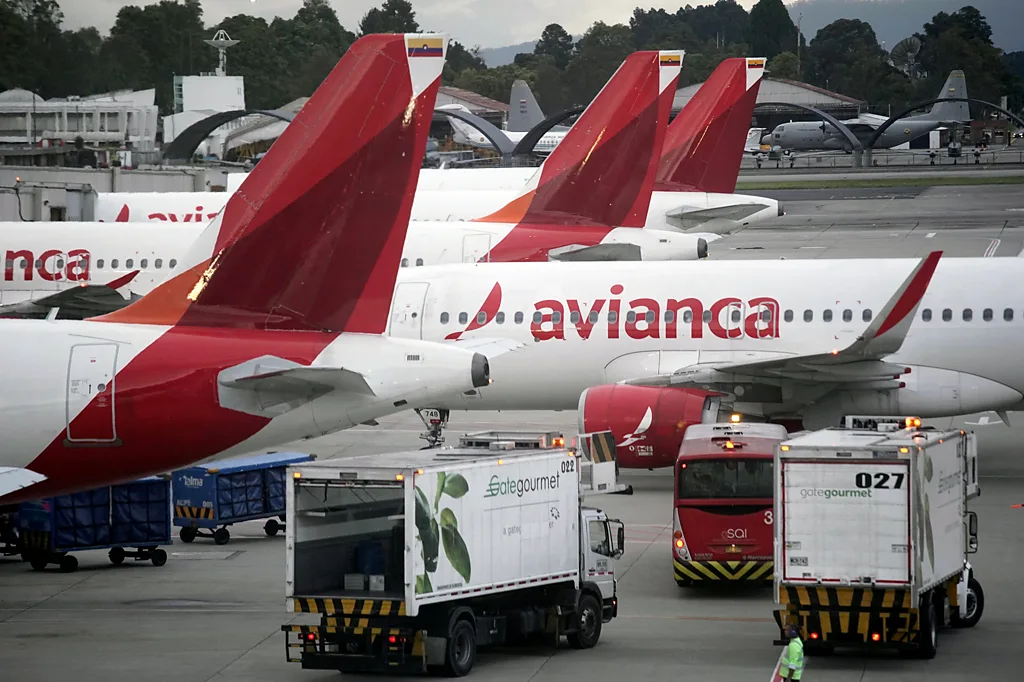
Bit flips: How cosmic rays grounded a fleet of aircraft
Cosmic radiation caused a computer “bit flip” on a JetBlue A320 in Oct 2025, triggering an uncommanded altitude drop and injuries. Airbus linked it to high-energy particles hitting flight-control electronics, leading to an emergency grounding of 6,000+ A320-family aircraft for software updates and some hardware replacements. Though the exact source of radiation is unclear, the incident highlights rising risks as smaller, chip-heavy systems grow more vulnerable.

Google update allows your boss to read your text messages
Google’s Android update lets employers archive and view RCS messages on managed work devices. Third-party apps can now capture all message activity, sent, received, edited, or deleted, to meet compliance, legal discovery, or internal investigation needs. The feature is transparent to workers and also supports SMS/MMS. It applies only to work-managed devices; encrypted apps like WhatsApp or Telegram remain unaffected.

Apple's AI chief steps down as company falls behind in tech race
Apple’s AI chief John Giannandrea is stepping down and will be replaced by former Google/Microsoft AI leader Amar Subramanya. Giannandrea will advise until retiring next spring. Apple, seen as lagging in AI integration compared to Google’s Gemini, hopes Subramanya accelerates progress, including long-delayed Siri upgrades. Meanwhile, a Dutch antitrust case over App Store fees is allowed to proceed.

Allowing AI to train itself
Anthropic’s chief scientist Jared Kaplan warns humanity must decide by 2030 whether to let AI systems self-train, a move that could trigger an “intelligence explosion” or a loss of human control. He says recursive self-improvement is the “ultimate risk,” raising dangers of misuse, loss of oversight, and superhuman scientific capability. Kaplan predicts AIs will outperform most white-collar work within years and sees the AGI race as intense and high-stakes, urging governments to prepare and regulate as progress accelerates.
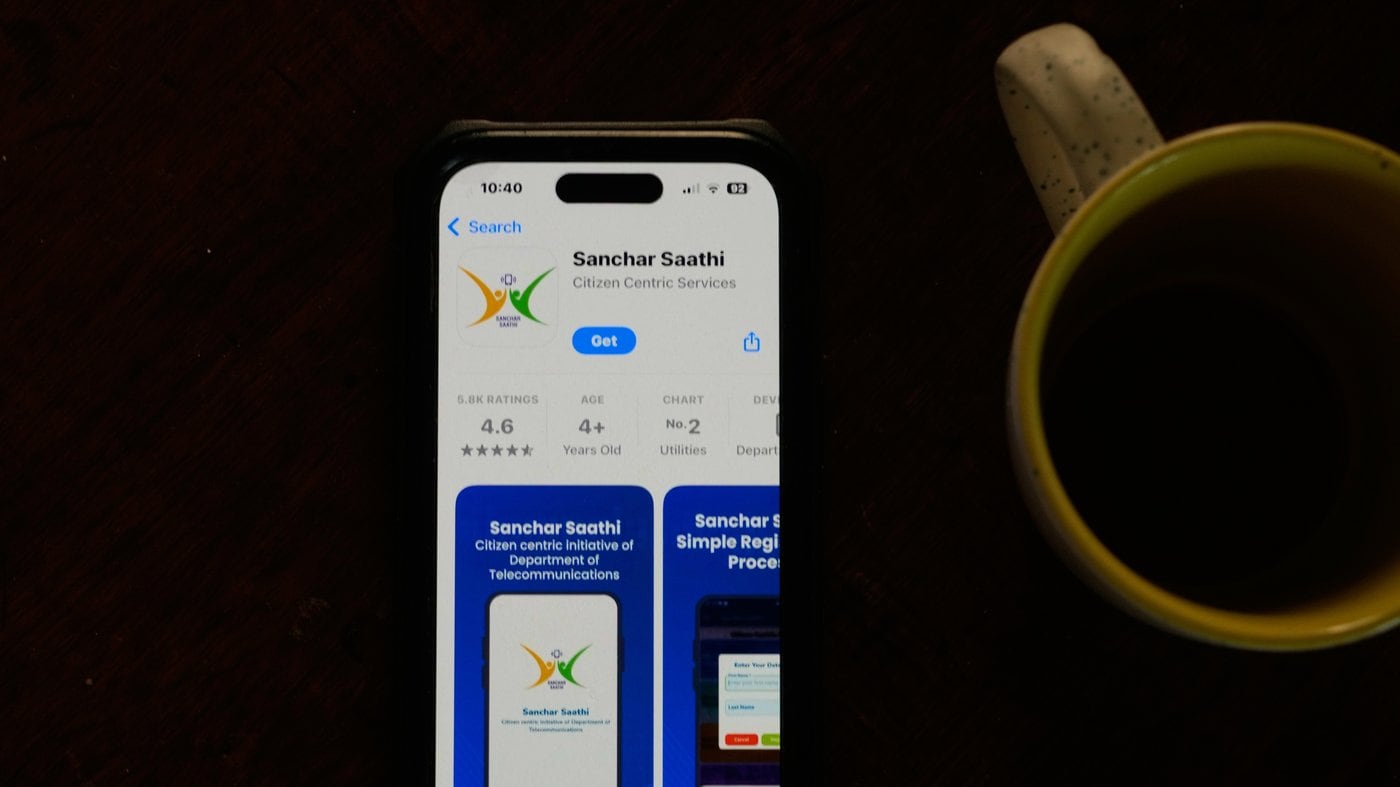
India mandates pre-installation of government cyber safety app on all smartphones
India’s telecom ministry has ordered all new smartphones to pre-install its cybersecurity app, Sanchar Saathi, and block users from deleting it, with updates pushed to older devices too. The app helps track lost phones and prevent fraud, but critics warn it erodes privacy and consent, potentially enabling surveillance. The government calls it voluntary, while concerns grow over expanded control and pushback from manufacturers like Apple is expected.

Who is actually using Facebook Dating
Facebook Dating, with 21 million users, is quietly popular, including among Gen Z, who use it for clout and content as well as dating. Integrated within the main Facebook app, it offers free AI-powered matchmaking and features like Meet Cute and the upcoming Vibe Check to enhance compatibility. While some use it for serious connections, others exploit it for promotion or entertainment. Despite low marketing, it shows potential to grow as a culturally relevant dating platform.

Source: interestingengineering
Samsung unveils its first multi-folding phone with biggest battery in flagship line
Samsung unveiled its first tri-fold smartphone, the Galaxy Z TriFold, with a 10-inch display across three panels, priced at $2,440. Launching in South Korea on December 12 and later in other markets, the device targets early adopters seeking cutting-edge foldable tech. It features the largest battery in Samsung’s flagship line and superfast charging. Analysts see it as a first-generation product amid growing global competition, with foldables still under 2% of shipments but expected to grow rapidly.

Netflix kills casting from phones
Netflix has disabled casting from mobile devices to most TVs, except for older Chromecast devices or TVs with native Google Cast support, and only for ad-free subscribers ($17.99/month). Users on ad-supported plans ($7.99/month) can no longer cast at all. The change, which appears to have rolled out in November 2025, requires navigating Netflix using the TV’s remote. Netflix hasn’t explained the reason, though similar removals occurred in 2019 with AirPlay to maintain viewing quality.

Source: interestingengineering
Australia tests new robot system to plant baby corals across the Great Barrier Reef
Australian scientists are testing a robotic system, the Deployment Guidance System (DGS), to restore bleached parts of the Great Barrier Reef. Using AI and sensors, it guides vessels to optimal sites and precisely deploys coral-seeding devices. Designed to assist, not replace, humans, the system enables monitoring and could scale restoration using autonomous vessels, involving researchers, tourism operators, and Traditional Owners in collaborative reef-recovery efforts.

The Nikon ZR gets surprisingly close to a real RED camera (for a lot less money)
Nikon’s $2,200 ZR brings RED-like video to a more affordable level. It shoots a 12-bit variant of RED’s R3D format, offering RED’s color science and highlight rolloff. The camera features a 4-inch articulating touchscreen, 32-bit audio, and 7.5 stops of in-body stabilization. While ISO control and modularity are limited compared to RED, the ZR delivers high-quality, flexible footage in a compact, feature-rich body, making RED-style video accessible to prosumer shooters.