
undefined 10, 2025

Source: interestingengineering
Japan issues tsunami alerts after strong 7.6 offshore quake jolts northeastern region
A 7.6 offshore earthquake struck northern Japan late Monday, triggering tsunami warnings and coastal evacuations. The epicentre was 80 km off Aomori at 50 km depth, with waves initially forecast up to 3 m. Alerts were later downgraded to an advisory, though authorities warned of repeated waves and urged people to avoid coasts. At least 13 people were injured, including cases in Hachinohe and a road cave-in incident. The government activated an emergency task force as assessments continue.
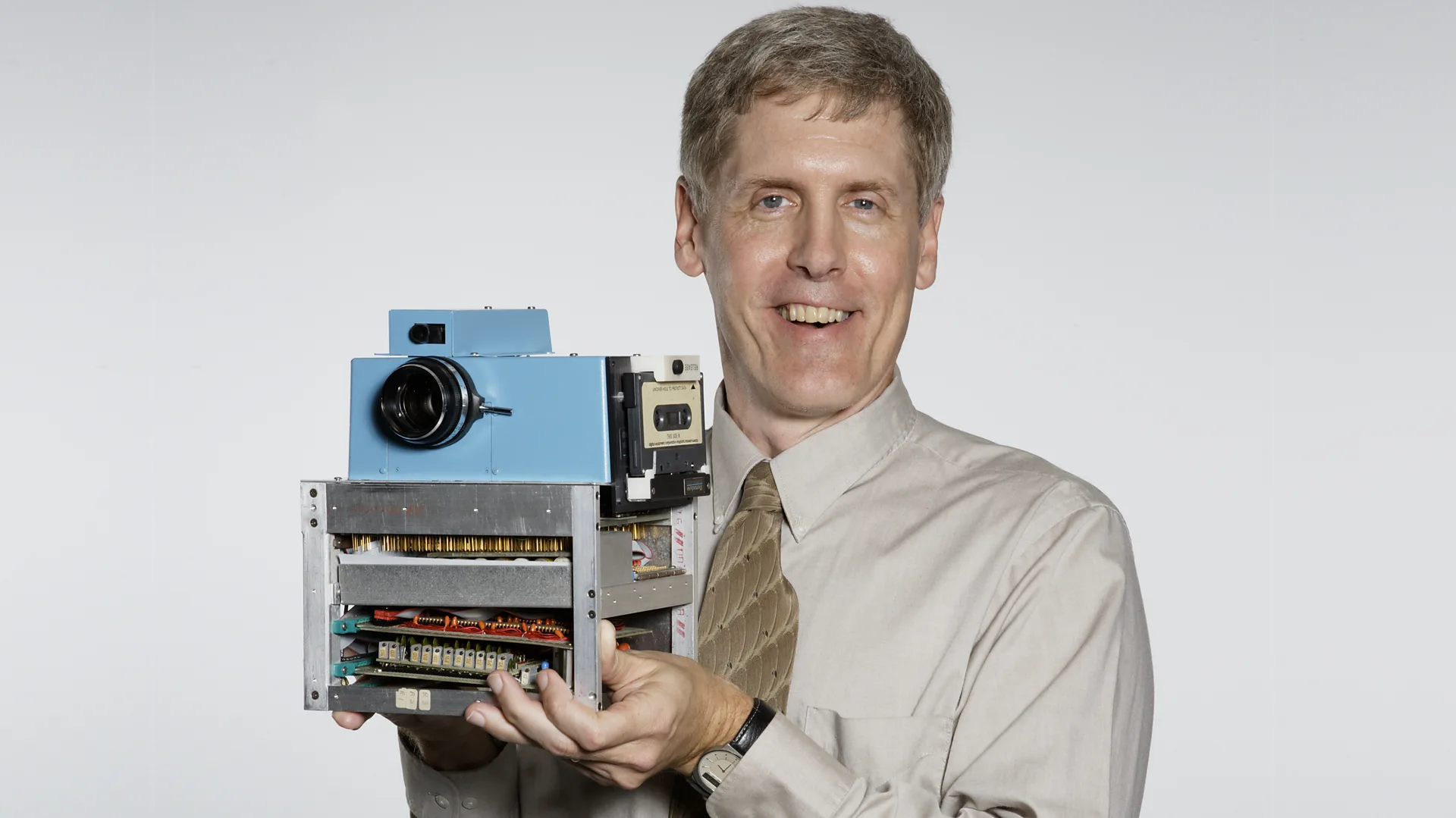
A 'toaster with a lens': The story behind the first handheld digital camera
Steve Sasson, a young Kodak engineer, built the first handheld digital camera in 1975 by combining a CCD sensor, hacked-together parts, and a cassette recorder. His crude 100×100-pixel device captured and played back the world’s first digital photo, revealing a future without film. Kodak management was intrigued but hesitant, unsure why consumers would want digital images. Sasson predicted it would take 15–20 years to match film, Kodak’s first consumer digital camera arrived in 1995. His invention helped spark the digital photography revolution, though it came too early for Kodak to fully capitalise.

Source: interestingengineering
‘World’s first’ AGI system: Tokyo firm claims it built model with human-level reasoning
Integral AI, founded by ex-Google engineer Jad Tarifi, claims to have built the first AGI-capable system: an AI that learns new skills autonomously, safely, and with human-level energy efficiency. The company says robots trained with it learned tasks without human input. While Tarifi calls it a major leap toward superintelligence, experts will likely scrutinize the claims, which remain impressive but unverified.

Can bike riders and self-driving cars be friends?
LA is tough for cyclists, but some advocates are warming to self-driving cars. Waymo’s robotaxis, now operating in parts of the city, drive predictably and avoid the stress and errors of humans. Early data shows far fewer injuries to pedestrians and cyclists compared to human drivers. Some bike groups now collaborate with AV companies, though others warn the tech could deepen car dependency and distract from real fixes: safer infrastructure, protected lanes, and better city design.
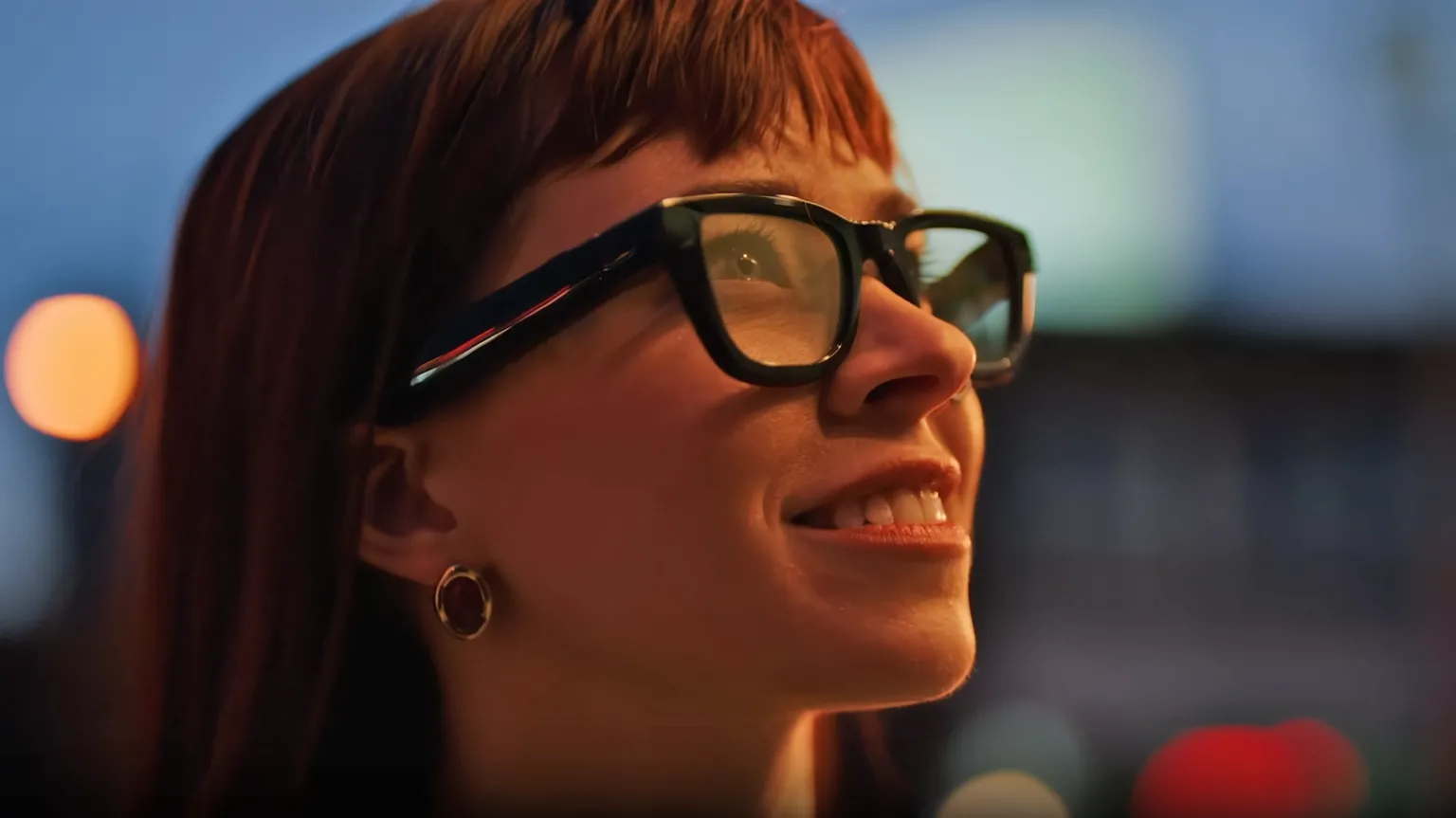
Google unveils plans to try again with smart glasses in 2026
Google plans to launch new AI-powered smart glasses in 2026, aiming to avoid the failures of Google Glass. The previous model was pulled amid privacy issues, poor design, and limited usefulness. The new line will include a screenless assistive version and another with a display, both tied to Google’s Gemini AI. But Google now faces strong competition: Meta has already sold millions of its Ray-Ban smart glasses, driving a booming AI-glasses market. Privacy concerns remain.

Millions of children and teens lose access to accounts as Australia’s world-first social media ban begins
Australia has enacted a world-first ban blocking under-16s from using major social media apps. Platforms must remove young users and stop new under-16 sign-ups or face heavy fines. Most companies agreed to comply, though age checks have been imperfect. Parents are split: some say kids feel isolated; others welcome the restriction. The ban has drawn global interest, and regulators will monitor enforcement, impacts, and unintended effects like VPN workarounds or shifts to smaller apps.

Paramount launches a hostile $108 billion bid to snatch Warner from Netflix
Paramount has launched a $108.4B hostile bid to buy all of Warner Bros. Discovery, arguing its all-cash $30/share offer is superior to Netflix’s $83B mix of cash and stock. Paramount says its bid avoids Netflix’s long, risky regulatory path and includes WBD’s linear networks. WBD’s board is still backing Netflix’s deal but will review the offer. The fight has drawn political attention, with Trump warning Netflix’s merger could pose competition concerns.

OpenAI hires Slack CEO Denise Dresser to lead global revenue strategy
OpenAI has hired Slack CEO Denise Dresser as its new chief revenue officer. A longtime Salesforce executive who became Slack’s CEO in 2023, she’ll lead OpenAI’s global revenue and enterprise strategy as the company races to scale. OpenAI says it’s on track for over $20B in annualized revenue and aims for hundreds of billions by 2030, even as competition and massive infrastructure costs mount. Dresser will focus on helping more businesses adopt AI tools like ChatGPT.

This bright star will soon die in a nuclear explosion, and could be visible in Earth's daytime skies
Astronomers say the V Sagittae star system, a white dwarf rapidly consuming its companion, is headed for a spectacular nova soon and a daytime-visible supernova later. The pair orbit every 12 hours and are spiraling together as the white dwarf devours material at record rates, making V Sagittae the brightest supersoft X-ray source known. A nova could appear in coming years, while the final supernova may occur around 2067, though timing remains uncertain.

How a cryptocurrency helps criminals launder money and evade sanctions
Criminals are turning to stablecoins, dollar-backed cryptocurrencies, to store and move illicit funds, replacing diamonds, gold, and art. Stablecoins can be moved across borders instantly or converted to debit cards, often undetected. In 2024, up to $25B in illegal transactions involved stablecoins, enabling sanctioned actors like Russian oligarchs and extremists to bypass financial restrictions, prompting governments to step up enforcement.