
undefined 16, 2025

How Roomba invented the home robot, and lost the future
iRobot’s Roomba, launched in 2002, popularized home robots but the company filed for bankruptcy in 2025, handing control to Chinese partner Picea Robotics. Early success and innovative AI-driven navigation gave Roomba dominance, but competition, slow adoption of mopping, regulatory blocks on Amazon’s acquisition, and strategic missteps eroded market share. While iRobot pioneered smart home robotics, it ultimately failed to align with consumer demand and market pressures.
:max_bytes(150000):strip_icc():focal(749x0:751x2)/maven-nasa-121125-7a446e90145b40b2b5ce3a082fb33b29.jpg)
NASA loses contact with its Maven spacecraft orbiting Mars for the past decade
NASA has lost contact with its MAVEN spacecraft, which has orbited Mars since 2014. The probe, launched in 2013 to study the upper Martian atmosphere and solar wind interactions, went silent after passing behind the planet. MAVEN has also relayed communications for rovers Curiosity and Perseverance. NASA is investigating the issue. Other Mars orbiters, Mars Reconnaissance Orbiter (2005) and Mars Odyssey (2001), remain operational.

He wrote the world’s most successful video games, now what?
Dan Houser, co-founder and lead writer of Rockstar Games behind GTA and Red Dead Redemption, left the company in 2019 after two decades of game development. He’s now back with Absurd Ventures, a Santa Monica studio focused on story-driven games and media. Projects include a podcast-turned-open-world game A Better Paradise, the comedy universe Absurdaverse, and a story-based game from the comic American Caper. Houser aims for narrative-rich, single-player experiences, resisting the industry’s multiplayer/live-service trend.
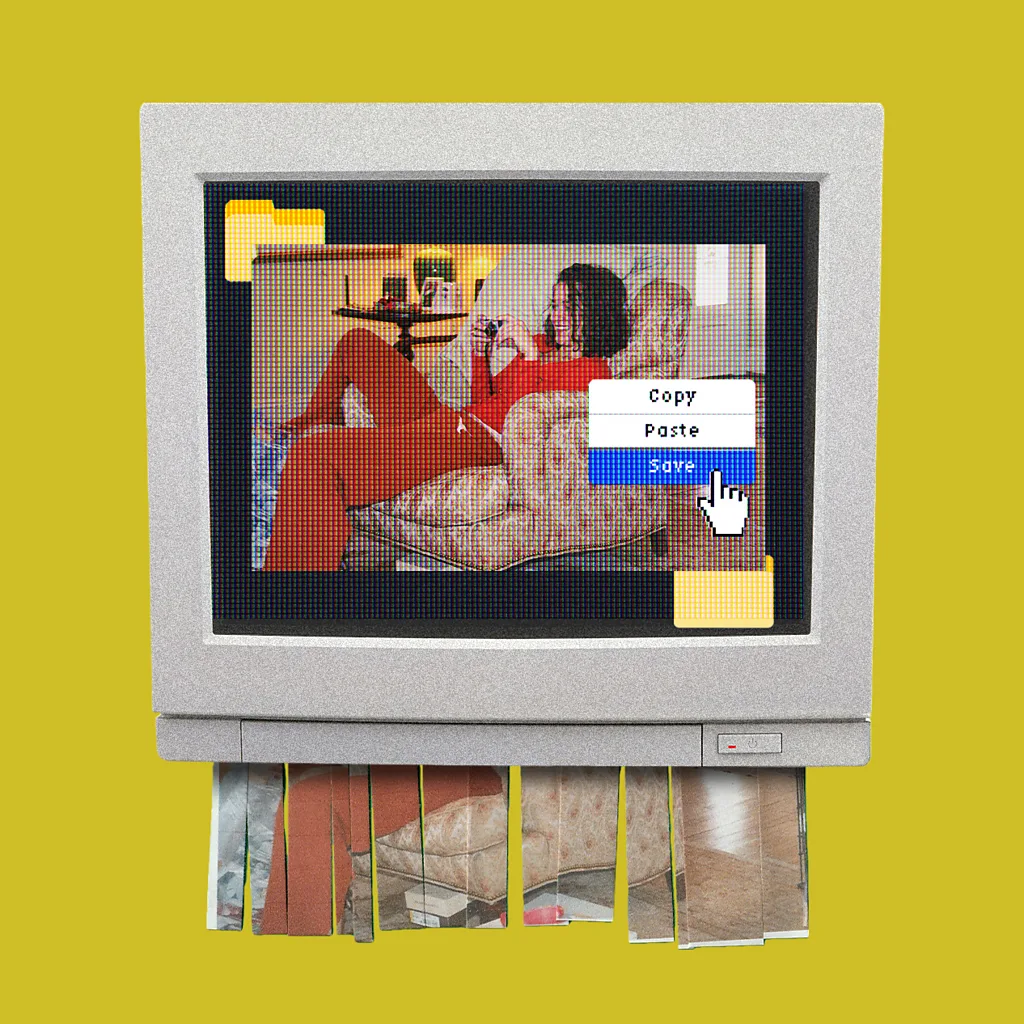
Why your early 2000s photos are probably lost forever
A generation of early-2000s digital photos has been lost due to broken drives, obsolete devices, and defunct online services like MySpace, Kodak, and Shutterfly. The rapid shift from film to digital created a “Black Hole” of memories, as people lacked reliable backups. Experts recommend redundancy, following the “3-2-1” rule: three copies, two media types, one offsite. Lessons: digital photos aren’t permanent, and individuals must actively preserve their own memories.

Google’s turning off its dark web monitoring service that scoured data breaches for your info
Google will discontinue its dark web report feature, which alerted users if their personal information appeared on the dark web. Scanning will end on January 15, 2026, and all collected data will be deleted by February 16. Launched in 2023 for Google One subscribers and expanded in 2024, the feature was retired due to limited actionable guidance. Google advises users to use “Results about you,” Security Checkup, and other tools to protect their data online.

Radiation-detection systems are quietly running in the background all around you
Radiation is constantly monitored around the world, from nuclear plants to public spaces, to detect anomalies quickly. Following disasters like Chornobyl (1986) and Fukushima (2011), governments and volunteer groups have expanded radiation-detection networks. DIY projects like Safecast now operate thousands of sensors globally, while universities and agencies like the IAEA track near-real-time data. Weather, radon, and medical equipment can cause natural fluctuations, but monitoring ensures early warnings of dangerous radiation releases. Modern detectors, including drones and handheld devices, can distinguish types of radiation, providing both safety and reassurance to the public.

The moment the earliest known human-made fire was uncovered
Archaeologists in Barnham, UK, have uncovered the earliest known human-made fire, 400,000 years old. Finds include a flint-and-pyrite “lighter,” baked earth, and heated tools, showing early humans could create fire intentionally. This provided warmth, cooking, and social gathering points, key for brain growth and culture. The site suggests communal hearths and early language use, rewriting the timeline of human fire-making and revealing remarkable ancient ingenuity.

Interstellar comet keeps its distance as it makes its closest approach to Earth
The interstellar comet 3I/Atlas, discovered in July, passes Earth this week at 167 million miles, its closest approach. Estimated 440 m–5.6 km wide, it’s fading as it leaves the solar system. NASA telescopes track it, while backyard astronomers can catch it in the night sky. This is the third known interstellar visitor, likely from an older star system. It will near Jupiter in March before heading back to interstellar space, never to return.

Source: interestingengineering
Solar storm could cripple Elon Musk’s Starlink satellites, causing orbital chaos
Scientists warn space congestion is nearing a tipping point, calling it a “House of Cards.” Mega-constellations like Starlink perform thousands of collision-avoidance maneuvers, and solar storms could trigger Kessler Syndrome, a cascading satellite collision disaster. Princeton researchers’ CRASH Clock shows just 2.8 days until a catastrophic event if satellites lose control, highlighting how quickly space could become dangerously unstable.
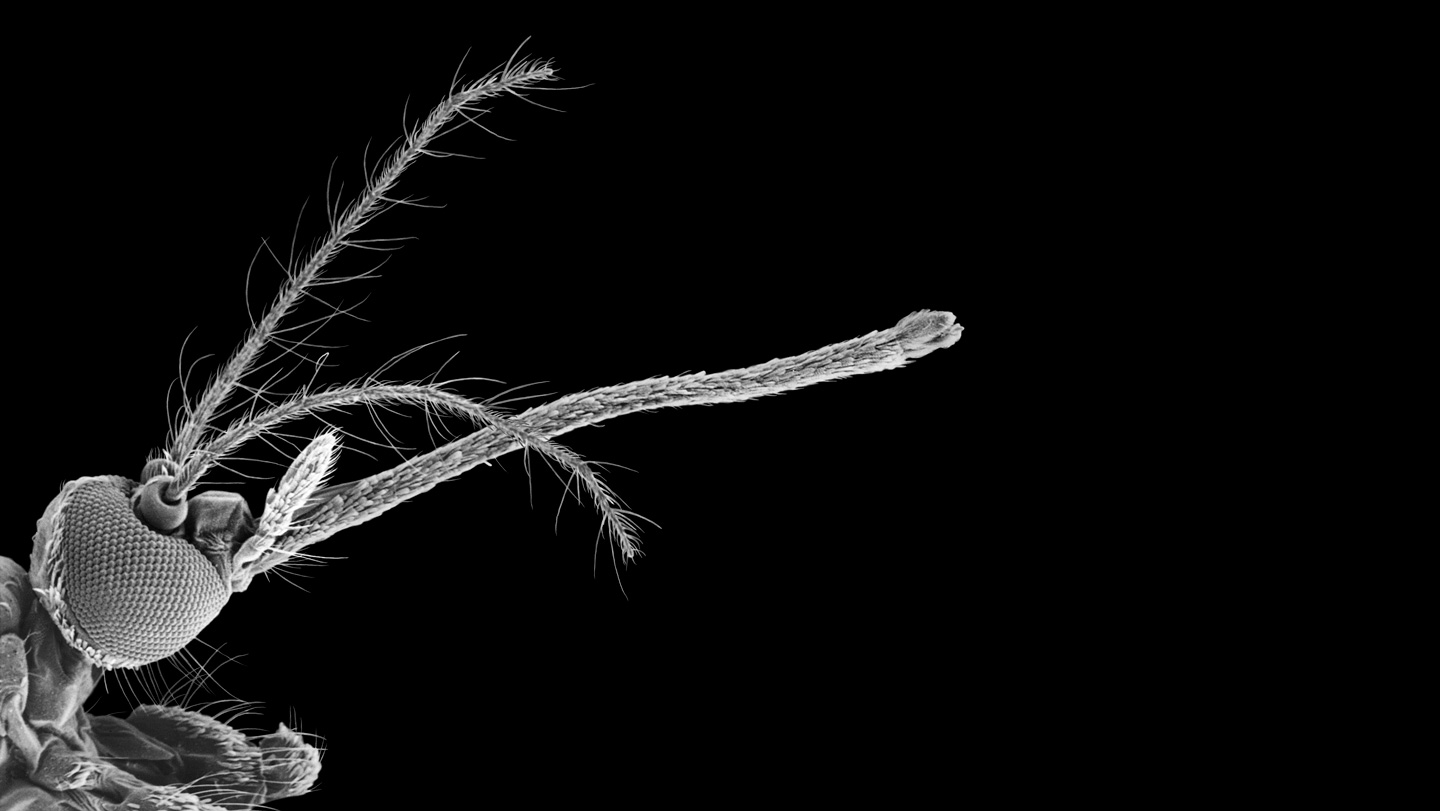
Mosquitos use it to suck blood. Researchers used it to 3-D print
Researchers have turned a mosquito’s proboscis into a 3-D printer nozzle, enabling “3-D necroprinting.” Its fine, straight structure can print lines as narrow as 20 micrometers, half the width of a human hair. The team printed honeycombs, maple leaves, and cell scaffolds using bioink. This nature-inspired approach reduces costs, improves precision, and could expand sustainable microengineering by repurposing biological parts for advanced printing.
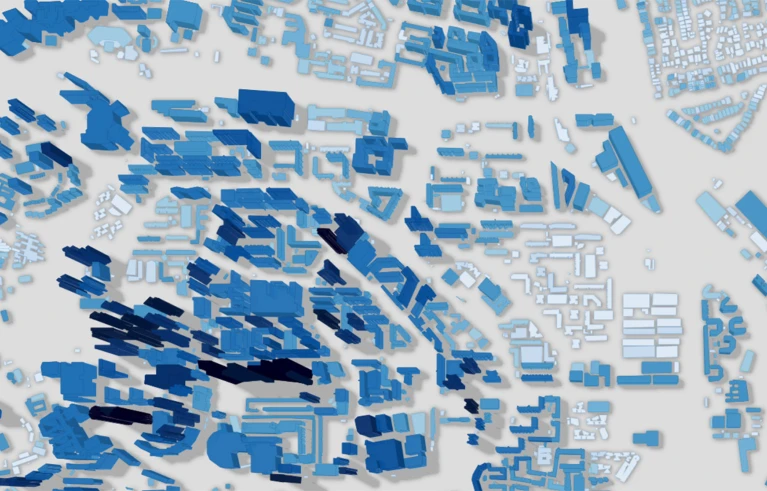
Giant 3D map shows almost every building in the world
Scientists have created GlobalBuildingAtlas, the most detailed 3D map of almost all buildings on Earth. Using satellite imagery and machine learning, it models 2.75 billion buildings, 97% of the world’s structures, with 3×3 m resolution. The map aids disaster planning, climate studies, and urban analysis, revealing global patterns: Asia has nearly half of all buildings by number and volume, Africa has many small structures, and building volume often reflects population density and economic development.

OpenAI bags Disney characters for Sora short video app
OpenAI has signed its first major licensing deal with Disney, letting users of its Sora video tool create clips using over 200 Disney, Marvel, Pixar, and Star Wars characters, including Mickey Mouse and Luke Skywalker. The three-year agreement, part of Disney’s $1 billion investment in OpenAI, aims to promote responsible AI use while protecting creators’ rights. Some user-made videos may appear on Disney+, combining fan creativity with controlled, authorized access to beloved characters.