
undefined 17, 2026

Source: interestingengineering
World’s most powerful AI supercomputer dedicated to fusion energy begins work
The UK is investing £45 million in “Sunrise,” a powerful AI-driven supercomputer for nuclear fusion research, set to operate in Oxfordshire. It will simulate plasma behavior and enable digital twins of reactors, helping scientists test designs virtually and reduce costly experiments. Using advanced AI and high-performance computing, Sunrise aims to accelerate fusion breakthroughs, support major UK projects like STEP, and strengthen the nation’s AI and energy research capabilities.

Two literal crypto bros built a real estate empire. Then the homes started to fall apart
A crypto startup, RealT, founded by Canadian brothers, promised global investors cheap entry into real estate by selling $50 property tokens. The idea took off, especially in Detroit, where they amassed hundreds of homes. But many properties fell into severe disrepair, with tenants reporting unsafe, unlivable conditions. The city sued over widespread violations, while the founders blamed managers. Investors, drawn by high returns, now face growing doubts as legal battles, mismanagement claims, and declining property conditions threaten the model.
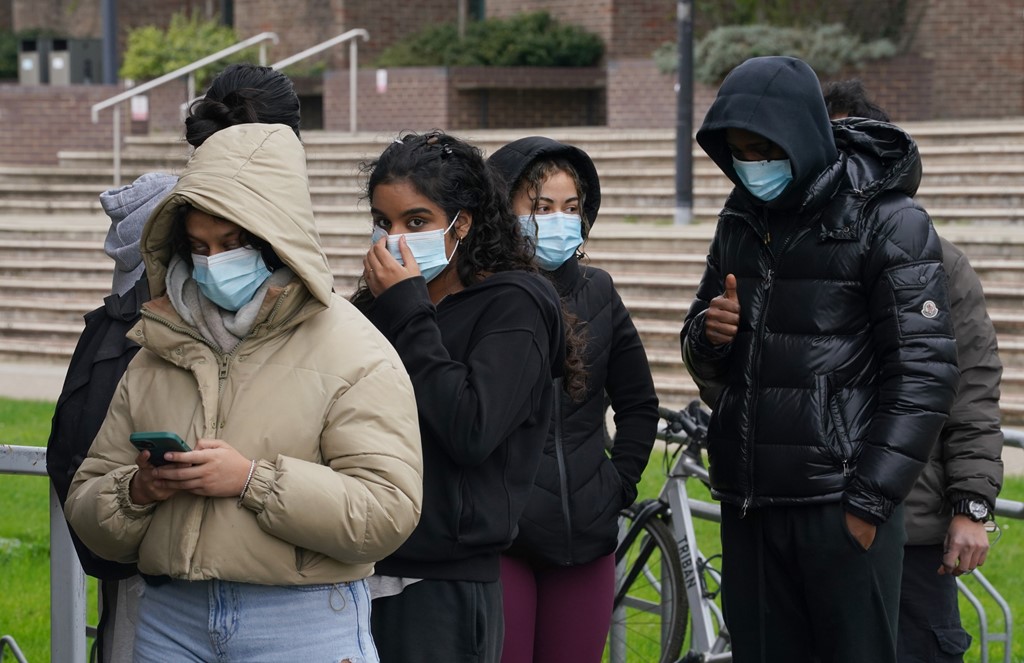
Meningitis outbreak in the UK
A meningitis outbreak in Kent has infected at least 15 people and killed two young individuals, prompting concern among students and families. Health Secretary Wes Streeting called it “unprecedented” but said the wider public risk remains low. Authorities are distributing antibiotics and launching targeted vaccinations, especially for university students. While officials defend their response speed, critics question delays. Experts say the disease spreads through close contact, not easily enough to require lockdowns, but vigilance and rapid treatment are key.

Google Maps gets major AI upgrade with new 'Ask Maps' and 3D navigation tools
Google Maps is rolling out a major AI upgrade powered by Gemini, introducing features like “Ask Maps,” which lets users ask complex, personalized questions about places. The update uses data from hundreds of millions of locations and reviews to deliver tailored results. It also adds redesigned navigation with see-through buildings for better route awareness. The overhaul aims to make navigation more intuitive, conversational, and efficient, with rollout starting on mobile and expanding soon.
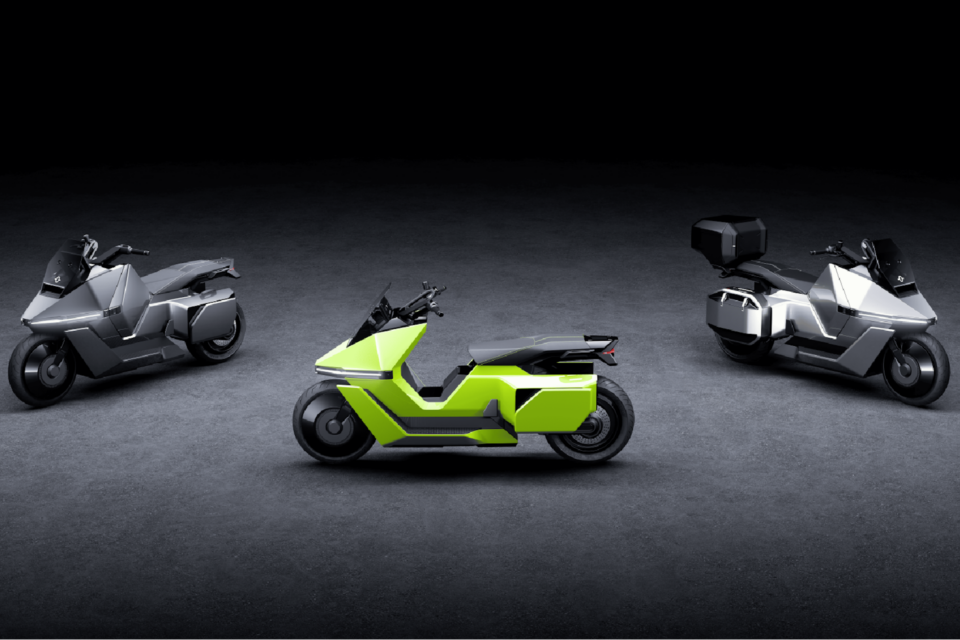
Self-balancing bikes from the ‘Tesla of motorcycles’ are ready for production
OMOWAY is preparing to launch the OMO-X, a self-balancing electric motorbike designed to stay upright using AI and gyroscope-based technology. Its HALO Pilot system enables features like adaptive cruise control, auto-parking, and vehicle-to-vehicle communication. The bike offers multiple riding modes and aims to make motorcycling safer and easier, especially for beginners. Backed by major EV investors, OMOWAY plans to begin pre-orders soon and target global markets beyond Southeast Asia.

Source: interestingengineering
World’s first 4D printing tech turns sulfur waste into self-moving soft robots
Researchers from Korea Research Institute of Chemical Technology and partner universities have developed a new 4D printing method that turns sulfur waste into recyclable, self-moving soft robots. Using sulfur-based polymers, the printed structures can change shape and move in response to heat, light, or magnetic fields, without motors. The material can also be melted and reused, creating a closed-loop system. This breakthrough could advance sustainable soft robotics for uses in medicine, manufacturing, and automation.
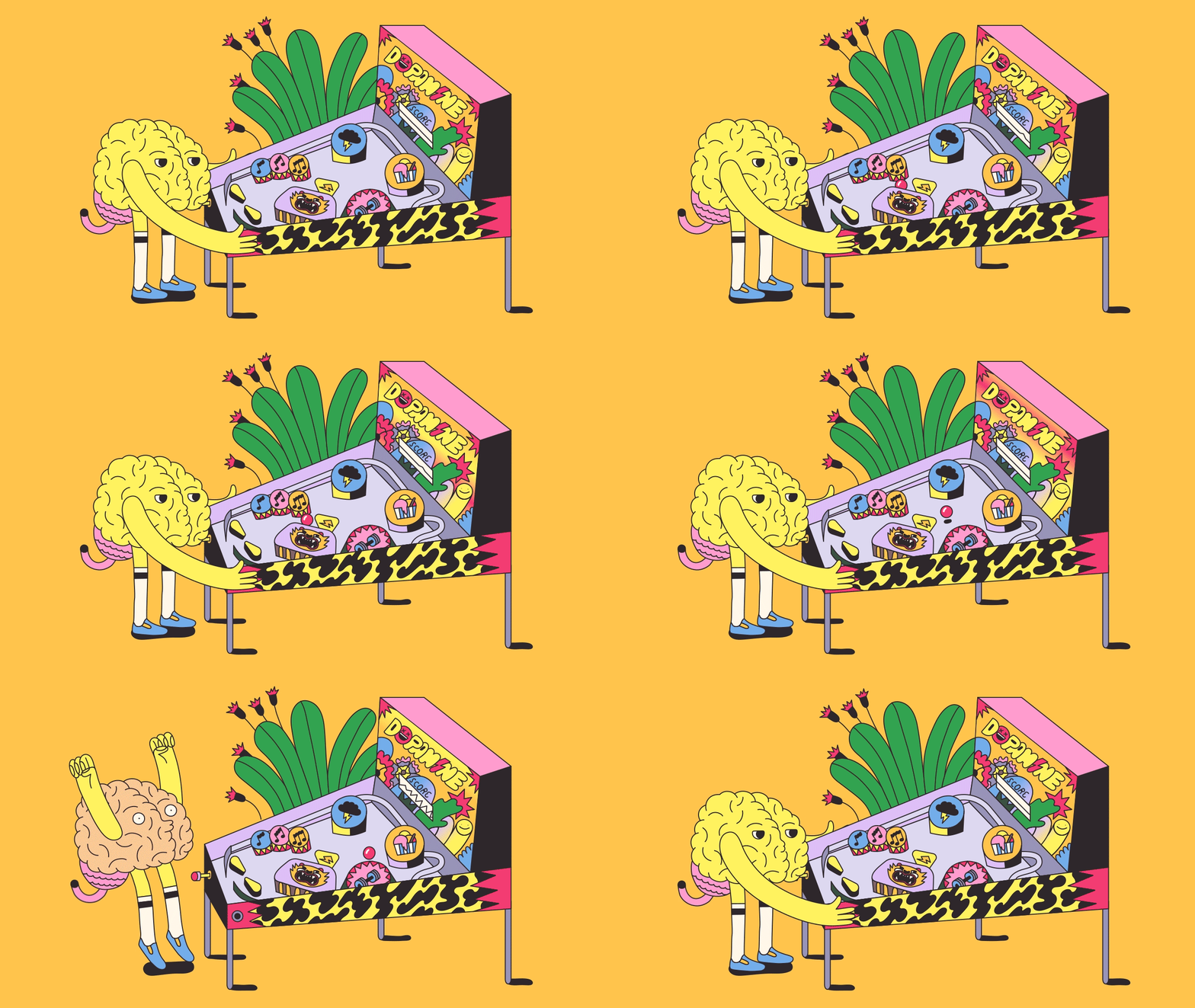
Dopamine takes a hit: how neuroscience is rethinking the ‘feel-good’ chemical
New research is challenging the long-held view of dopamine as simply the brain’s “feel-good” or reward chemical. While the classic reward prediction error model explains how dopamine links cues to rewards, recent studies show it also plays roles in attention, movement, threat detection, and learning. Scientists are now debating whether to revise or replace this dominant theory, a shift that could reshape understanding and treatment of conditions like ADHD and addiction.
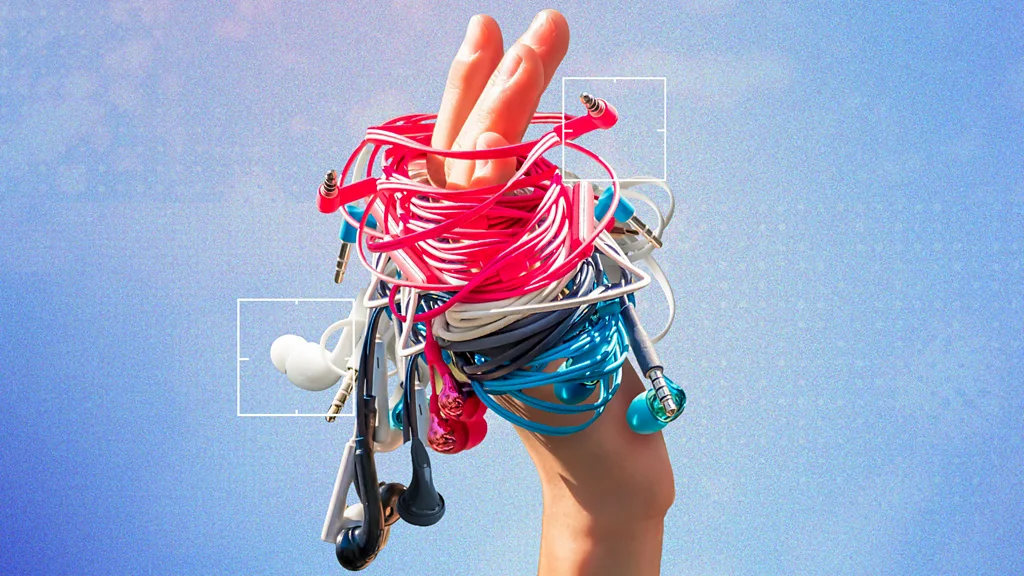
Wired headphone sales are exploding. What's with the Bluetooth backlash?
Wired headphones are seeing a surprising resurgence after years of decline, despite the rise of wireless tech like Apple AirPods. Sales surged in late 2025 and early 2026 as users seek better sound, reliability, and simplicity. Beyond audio quality, wired models have become a cultural trend, embraced for their nostalgic, “authentic” feel. Celebrities like Zoë Kravitz highlight Bluetooth frustrations, making cables both practical and stylish.

Nvidia reveals DLSS 5 to supercharge graphics with AI, and the hate pours forth
Nvidia unveiled DLSS 5 at GTC 2026, promising AI-powered real-time neural rendering to give PC games photorealistic lighting without changing assets. While impressive in demos like Resident Evil Requiem, the announcement has sparked controversy online. Gamers worry DLSS 5 could override artistic intent, create uncanny visuals, and demand extreme GPU power, as seen in previews running dual RTX 5090 setups.

COBOL is the asbestos of programming languages
COBOL, the 60-year-old Common Business-Oriented Language, powers vast swaths of government and financial systems, handling trillions in transactions daily. Despite its historic ubiquity, COBOL is notoriously hard to update or replace, with spaghetti code and limited modularity causing huge risks. States like New Jersey faced crises during Covid-19 due to a shortage of skilled developers. Modern AI tools aim to convert COBOL, but “JOBOL” often mimics old inefficiencies.

Trapped! Inside a self-driving car during an anti-robot attack
In San Francisco, passengers of Waymo have faced a bizarre hazard: being trapped inside autonomous taxis during attacks. Unlike human drivers, the cars stop when people approach, leaving riders helpless when vandals harass them. Doug Fulop and others experienced threats, punches, and vandalism while inside, relying on locked doors and Waymo support calls. While self-driving cars reduce crash risk, incidents like this raise concerns about passenger safety and emergency intervention protocols.
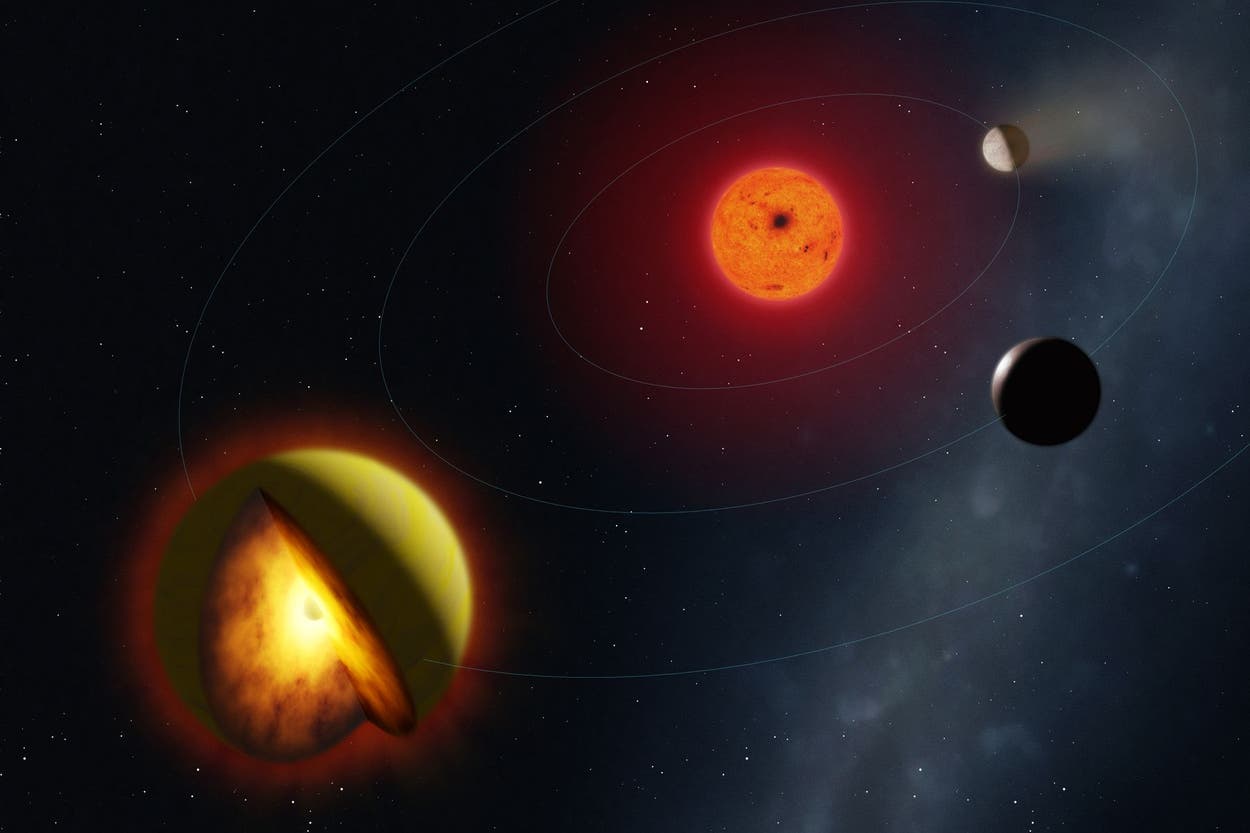
Scientists find entirely new kind of planet
Scientists have discovered a wholly new type of planet: L 98-59 d. Roughly 1.6 times Earth’s size, it has a permanent magma ocean storing sulphur and a hydrogen-rich atmosphere with hydrogen sulphide. Unlike gas dwarfs or water worlds, L 98-59 d’s molten mantle preserves volatile gases, showing planets can be far more diverse than thought. While unlikely to host life, the find hints at many undiscovered planetary types across the galaxy.
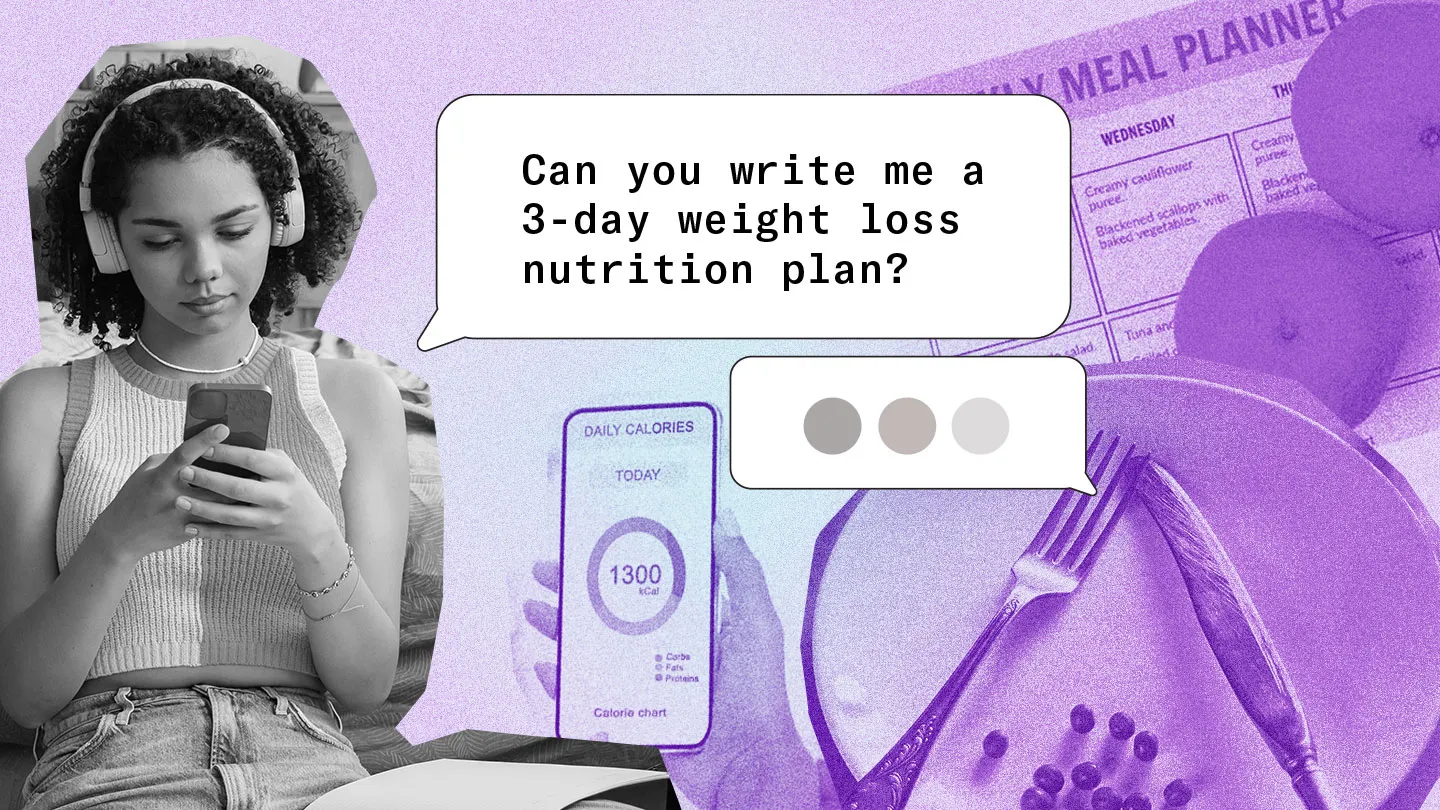
AI may be giving teens bad nutrition advice
A new study finds that AI chatbots often give unsafe nutrition advice to teens. Meal plans generated for fictitious overweight adolescents were too low in calories and carbs, and too high in protein and fat, averaging 695 calories less per day than dietitian-designed plans. Experts warn that restrictive or unbalanced diets during adolescence can harm growth, bone and brain development, and increase the risk of disordered eating, highlighting the need for professional guidance.